
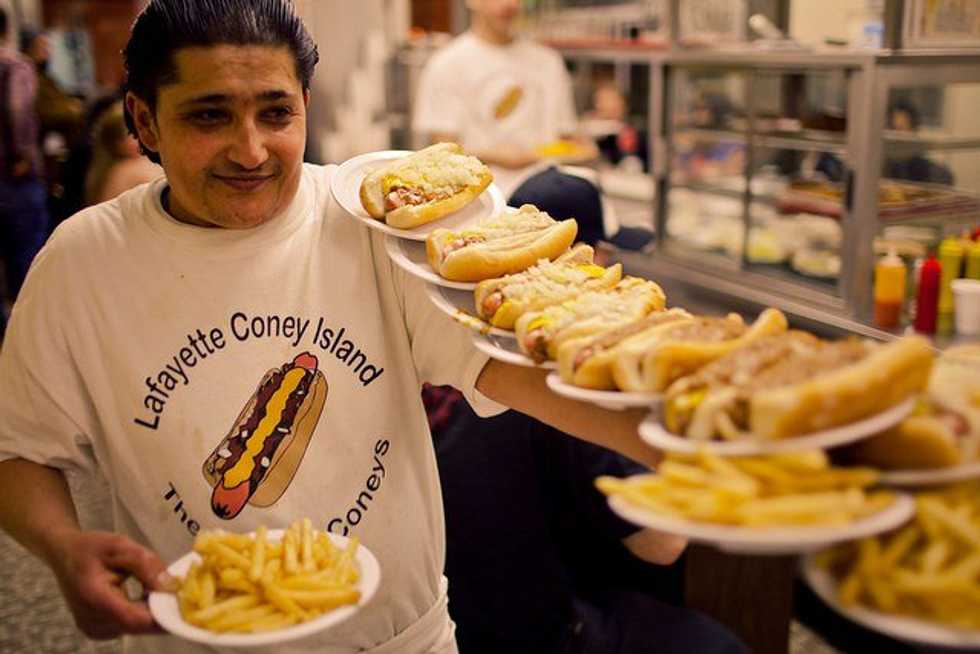
Coney Island is perhaps nationally best known as the name of a neighborhood in New York famous for its boardwalk and amusement parks. But to Michiganders, especially people from Detroit and its surrounding areas, the name “Coney Island” means something entirely different.
To us, it's a type of Greek American restaurant famous for its Coney dogs, a hot dog smothered in chili, onions, and yellow mustard. Coney Island restaurants, affectionately referred to by many as Coneys or “the Coney,” also serve Greek specialties such as saganaki, gyros, and spanakopita, as well as standard American fare like burgers, sandwiches, and any breakfast item you could ever want. I can't speak for all Coneys, but the ones I've been to (and that's a lot of them) always have fast service and super affordable prices. For all they have in common, there's lots of variation between Coneys, too. Some are chains present all across southeast Michigan, like Leo's, Kerby's, and National. Some have been owned by the same family for generations. Some are open 24 hours. The variation is likely due to the fact that the owners of the first Coneys didn't trademark the style of their restaurant, allowing other prospective business owners to use the name Coney Island for their family diners.
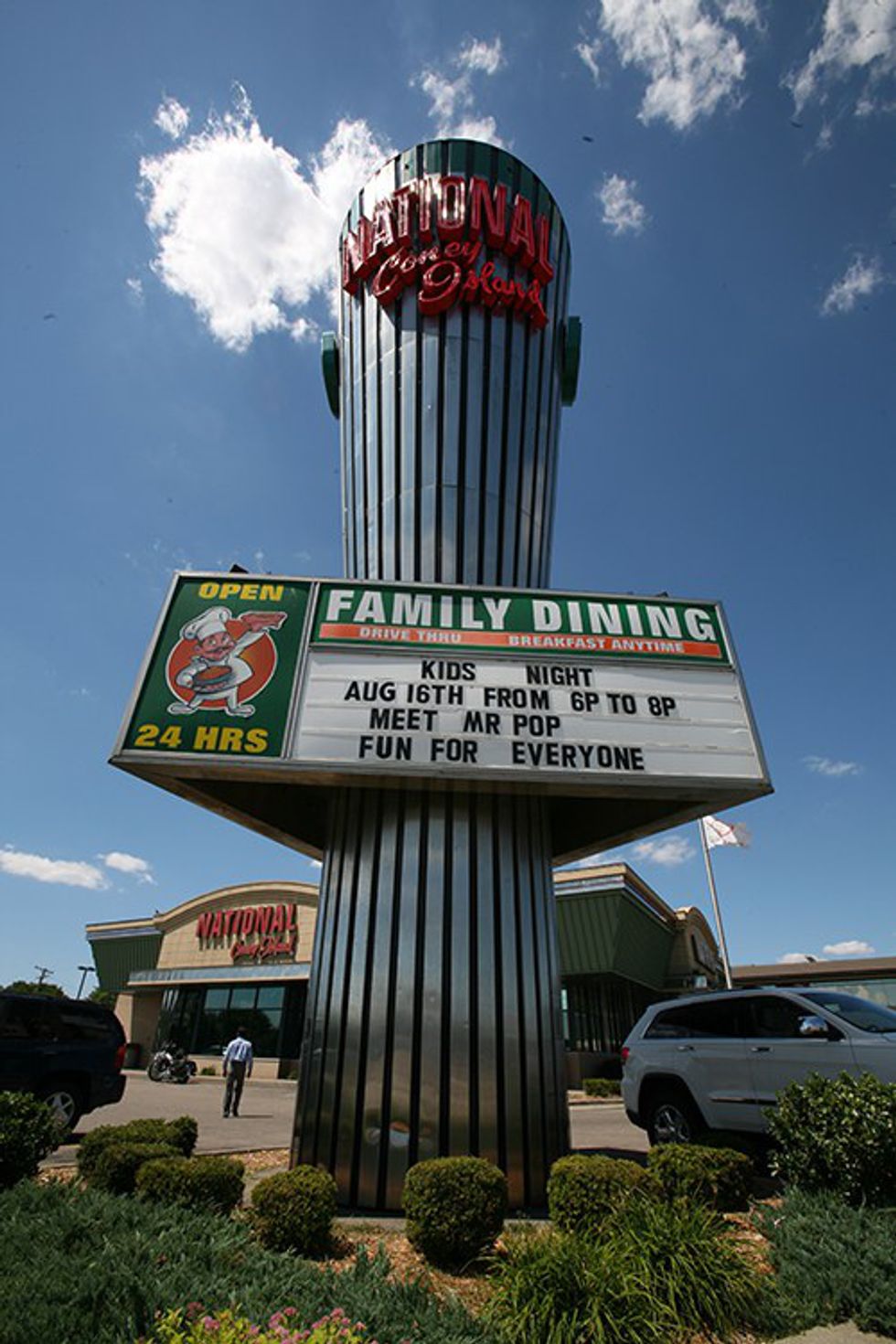
A National Coney Island. Photo from the National Coney Island website.
Although the history of the Coney Island restaurant style is a little foggy, there are a few facts about it that many Coney historians agree on. The Coney Island rose to popularity in the 1910s with American Coney Island in downtown Detroit, founded by brothers Bill and Gus Keros, who immigrated to the area from Greece. After a falling out between the Keros brothers, Bill went on to found Lafayette Coney Island right next door. American and Lafayette found monstrous success in the business of serving chili dogs at lightning speed to factory workers in bustling 1920s Detroit. More Coneys cropped up around the city and the suburbs in the following decades, and today, 100 years after the creation of the first Coney Island, the restaurant is a local staple. Although the city of Detroit has been through more than its fair share of hard times over the past half century, American Coney Island and Lafayette Coney Island still stand today—and business is still thriving—where the Keros brothers started, on the corner of Michigan Ave and Lafayette.
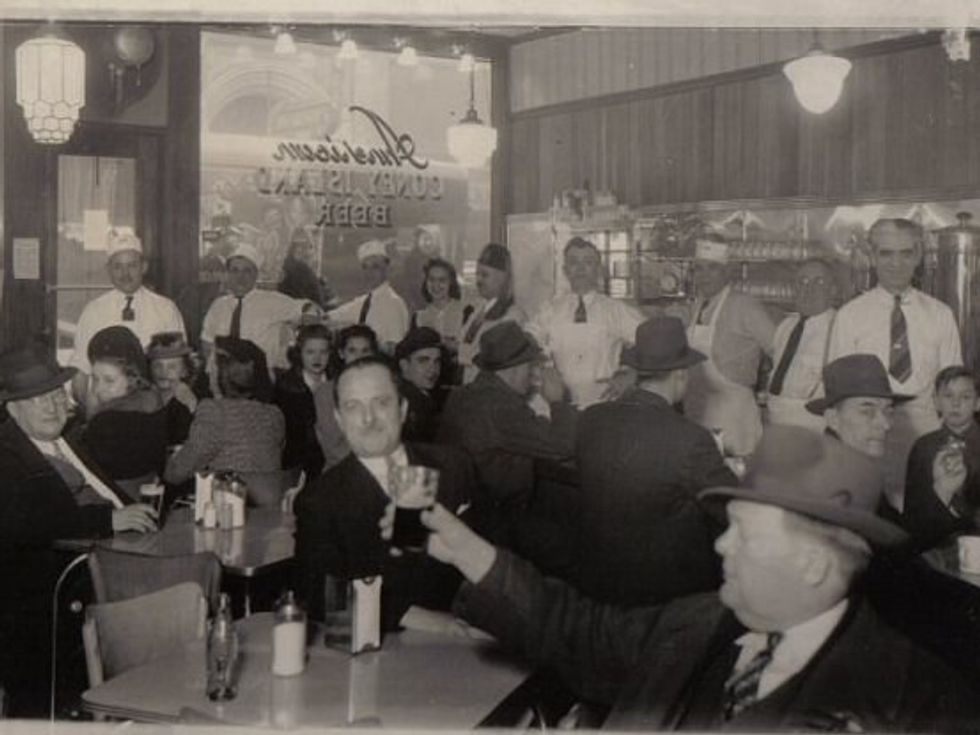
American Coney Island in 1942. Photo from NPR.
Upon moving to the west side of the state of Michigan, I was heartbroken to learn that Coney Islands are hard to come by outside of the greater Detroit area. When I was a child, the Coney is where my family and I went every Sunday after church to mess up our Sunday best with syrup and grease stains. We were regulars at our local Leo's Coney Island, and every time we ate there the family that owned the restaurant would stop by our table as well as many of the others. Georgia, the matriarch of the family, would always ask my brother and I, then of elementary age, how school was going, and her husband Andy would always bring us Dum-Dum lollipops. As a teenager, the 24 hour Leo's was a staple for late night snacks after high school football games and breakfast the morning after a party. The Coney always gave back, too--plenty of Coney locations in my hometown sponsor local youth sports teams and proudly hang their jerseys on the walls alongside depictions of the Parthenon.
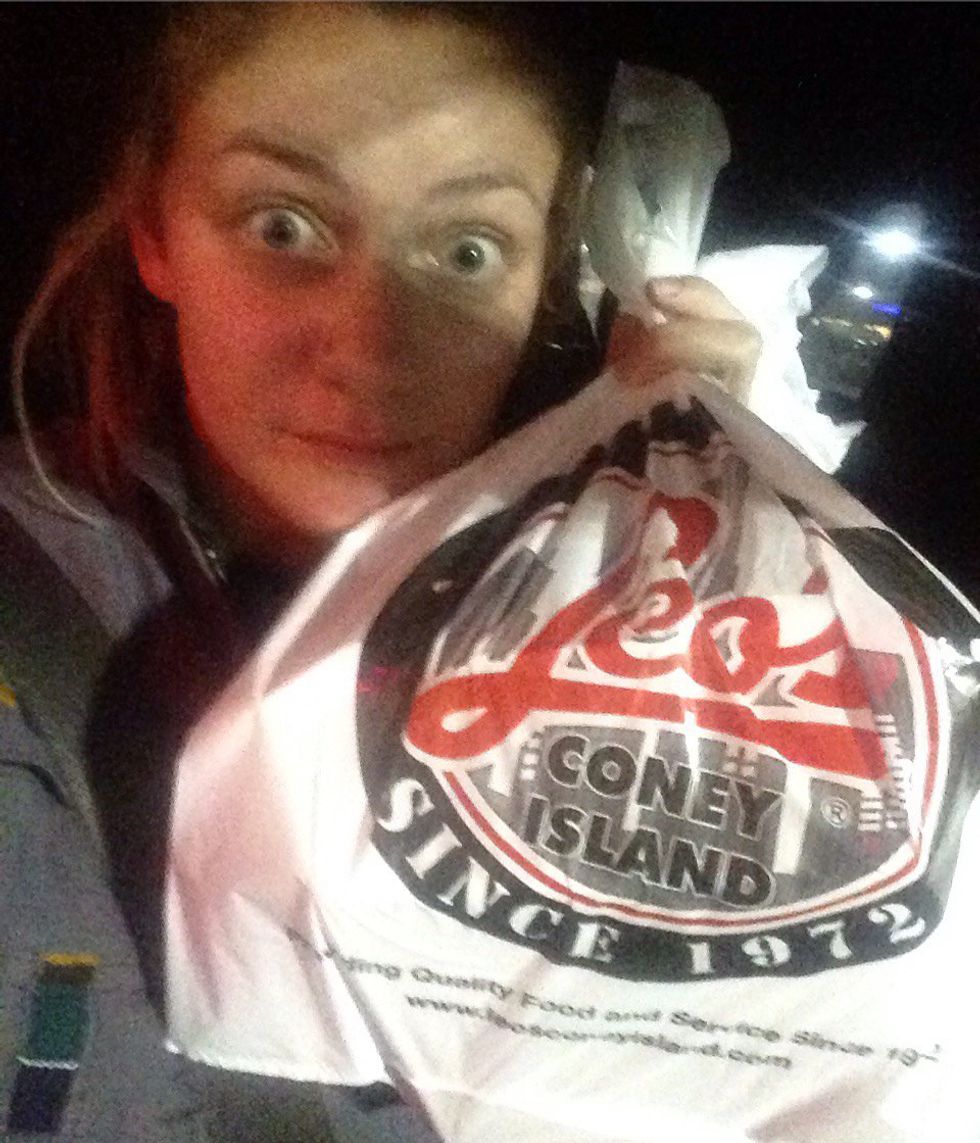
Me, elated to get my Coney fix after six months abroad in a country with zero Coney Islands.
It's the Coney Island's dedication to a family atmosphere and delicious, affordable comfort food that has made the restaurant so beloved by the people of southeastern Michigan. As a display of their commitment to Coney culture, the people at ConeyDetroit.com did a project in 2012 where they visited 100 Coneys in 100 days. A quick scroll through the project makes it clear that although Coney Islands come in all shapes and sizes, with different menus and slightly different Coney dog recipes, they all have a way of bringing together family and community. Coney Islands have always been about food, but they're about more than that, too.