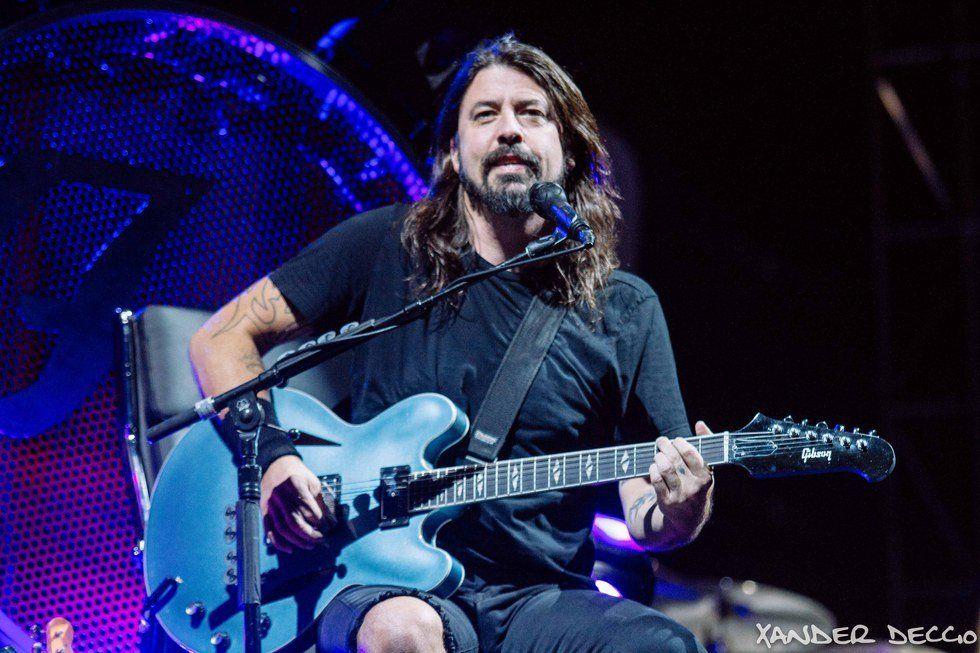
You've probably seen these guys at concerts you've attended. You know, the ones where the person is up to their neck in camera gear. They have telephoto lenses that put your camera phone to shame. These are the same people who get that canvas badge attached to their growing collection of press credentials, only this time the badge says PHOTO and has the band's logo above it in big bold letters. Yet, you've always dreamed about getting that opportunity to be able to photograph your favorite band at one of their shows. You never knew how these people got to do this for a living. Well, if you're serious about wanting to be a concert photographer, here are five things you need to understand before you make the decision that this is for you.
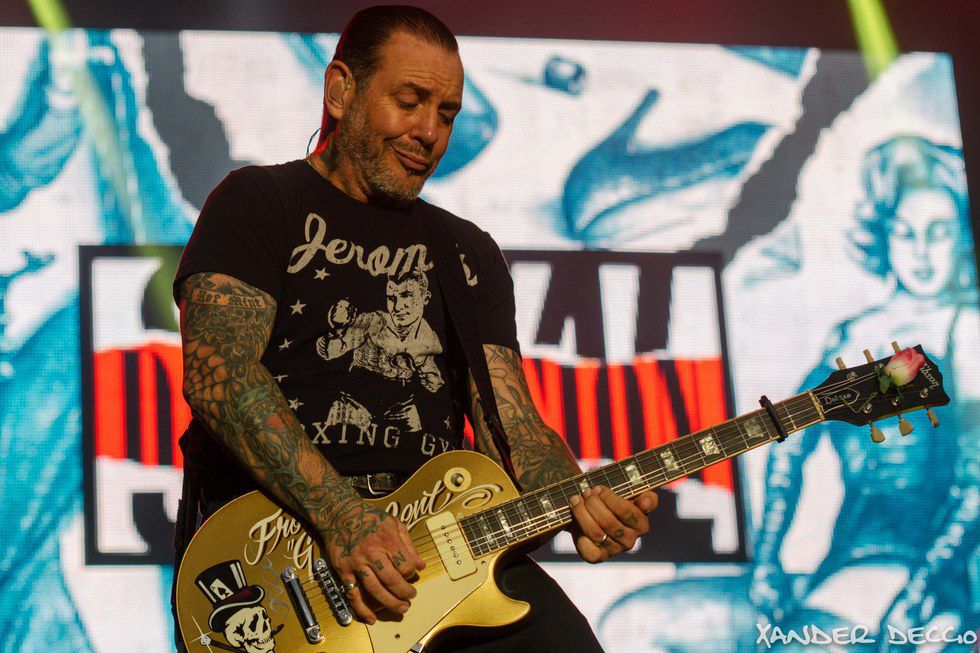
Before we begin with the list, let me tell you a little bit about myself. I have been documenting shows in the Pacific Northwest for over seven years. I have been featured in publications such as Alternative Press, Australian Hysteria, New Noise Magazine and AMP Magazine. I have also freelanced for many companies such as SpinMedia and Townsquare Media. I have won numerous awards for my work and also co-ran an online indie music zine, Seattle Music Insider for three years taking it from a publication that was on the brink of closing, to the success that it is today.
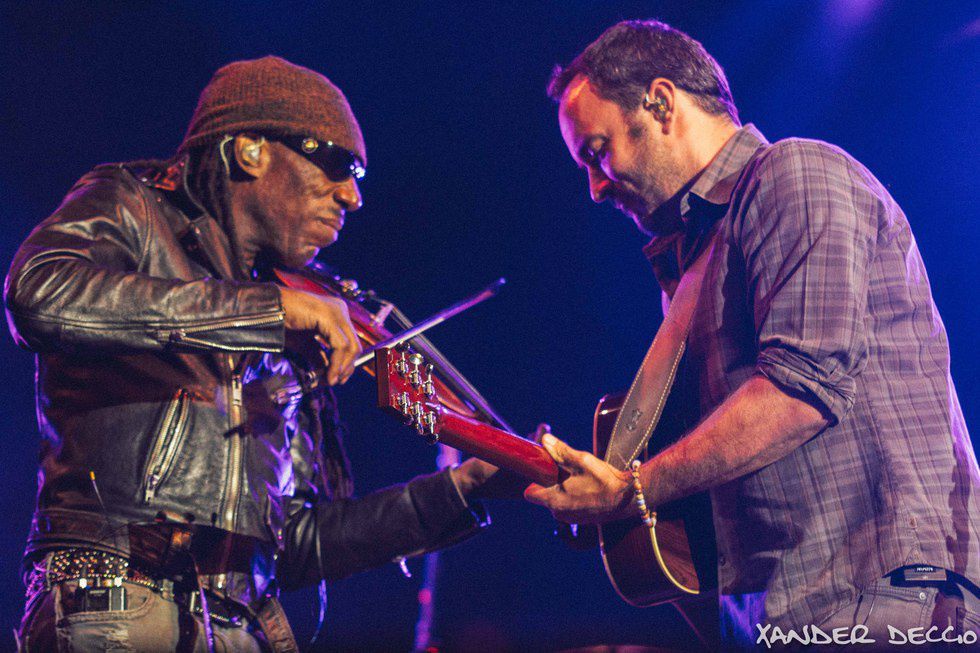
1. How do you shoot concerts?
I don't know how many times I have been asked this. To be honest, it's not all that hard. As long as you're on assignment for a legit publication that covers music news and events (not a personal blog, social media account or YouTube account), you should be able to obtain a photo pass for some shows. Now, when it comes to the bigger shows, publicists and management usually approve publications with either a decent readership or ones that have been established.
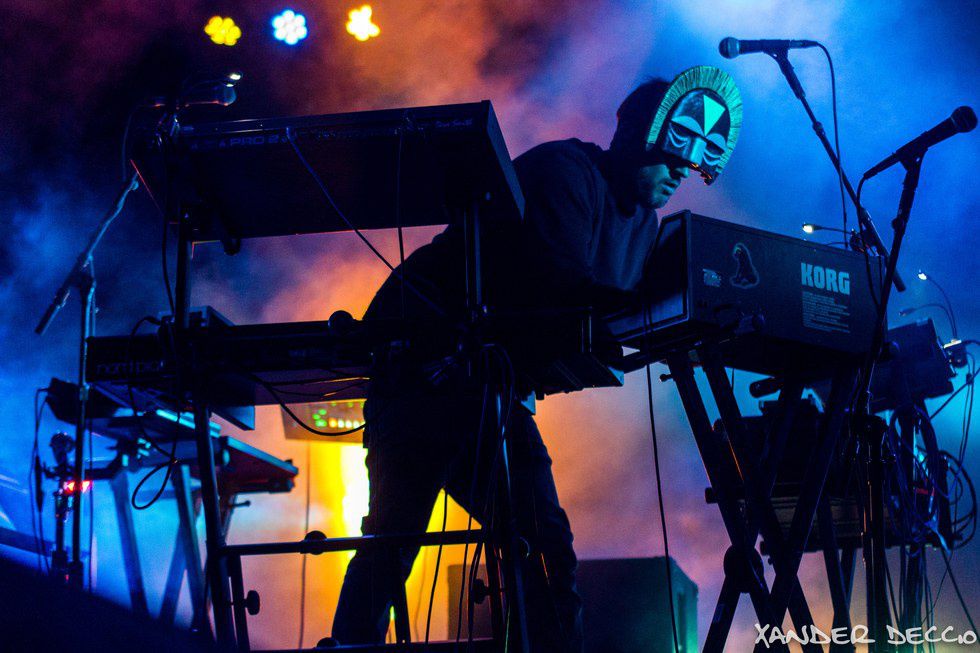
2. How do you get on to a publication? What's the pay?
Herein lies the challenge. When it comes to publications, editors are picky about who they bring on. You could have the best portfolio on the planet, and you will still get ignored. The best route is to start out small, find a local publication and start out there. If it means you have to cover local shows, then do it! Local shows mean more practice and smaller websites will take you on as they need more people to cover events. If your college has a newspaper or a magazine, try and enroll. This will get your foot in the door.
As for getting paid, good luck! Many of us do this for the love of music and in some cases, we may get a paid gig, but it takes years for that to happen.
3. How do you request credentials?
In all honesty it's not that hard. The person you want to speak to is the band's publicist. They're the gatekeeper and messenger for the band. Now trying to find a band's contact may be the hard part. Most of the time you can find this info on either the band's website or on their Facebook page.
When requesting a show explain the following:
"Hello, my name is _____, I am on assignment for _______. (say something about your publication and what they've accomplished" and provide a link to the website)
My editor is _______ (include them on the cc)
If possible I would like to request a photo pass and ticket for the _________ show taking place on _________ at ____________.
If possible our publication can provide a preview of the show. (Publicists love previews)
If you have any questions please feel free to contact me.
Sincerely,
____________
If you use this template and you're on assignment for a legit publication, I guarantee you will get a response back. Also, when requesting credentials, do it two weeks before the show. If they don't respond back, follow up the following week.
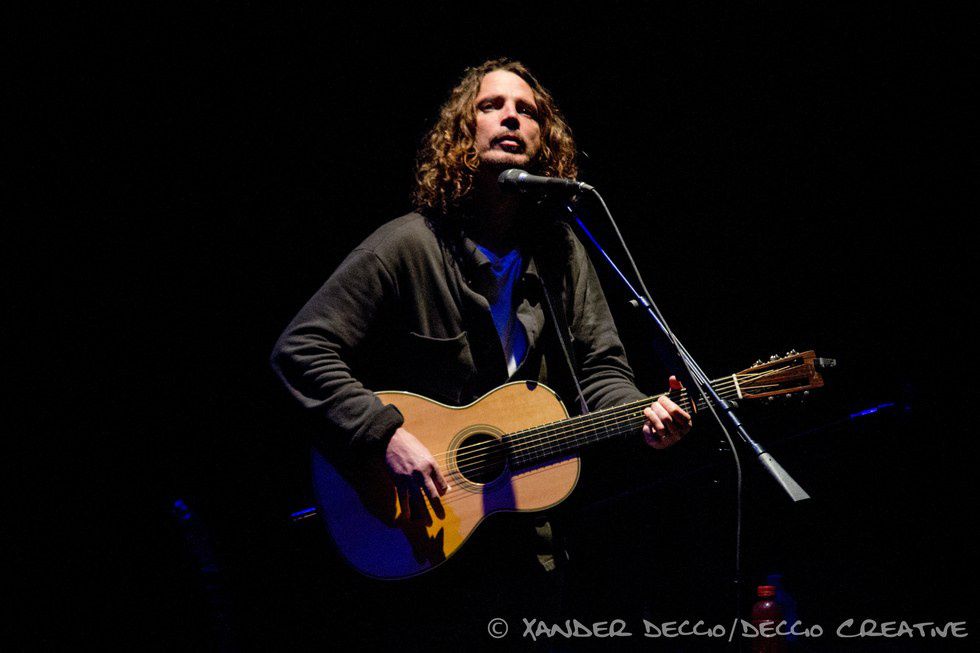
4. DSLR's only!
This one is really important. Make sure you have a DSLR or even an SLR camera if you're wanting to be a concert photographer. Plain and simple, smartphones and point and shoots (not mirrorless camera systems) are not allowed! I have seen people get blacklisted by venues and publicists because they didn't have pro gear in the pit and were using an iPhone to get shots. This is a big no-no, and it's frowned upon in the industry. If you're a photojournalism student, you should be able to check out DLSR gear. Make sure you have a lens that is a 2.8 aperture, this will help with shooting shows that have abysmal lighting. Trust me, there are venues that have next to no lighting, and this will save you.
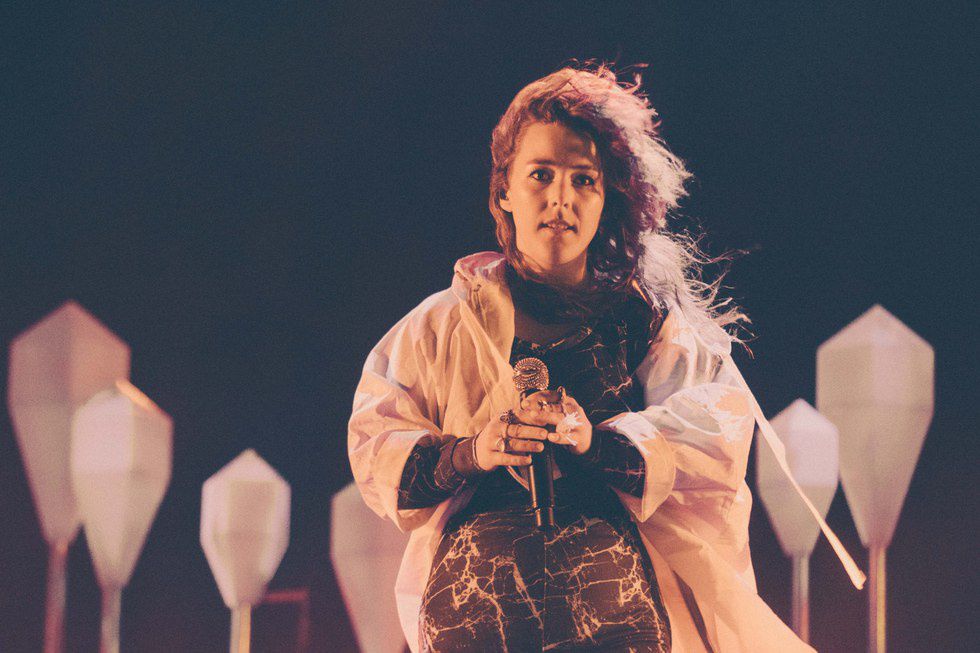
5. Be professional and network.
I don't know how many times I've heard stories about people who were in the pit acting unprofessionally or just acting stupid. Here's the thing: when you're covering a show, you're representing the publication. The last thing you want is to piss people off in the pit. Word get's around really fast and it could end your career before it even starts. I have personally seen people get blacklisted for this type of behavior. There are also others in the pit that may work for bigger publications, and you never know when they might want to bring someone on. So in other words, just do your job and act professional, but also have fun and network. You never know, it could get land you that dream gig you always wanted.
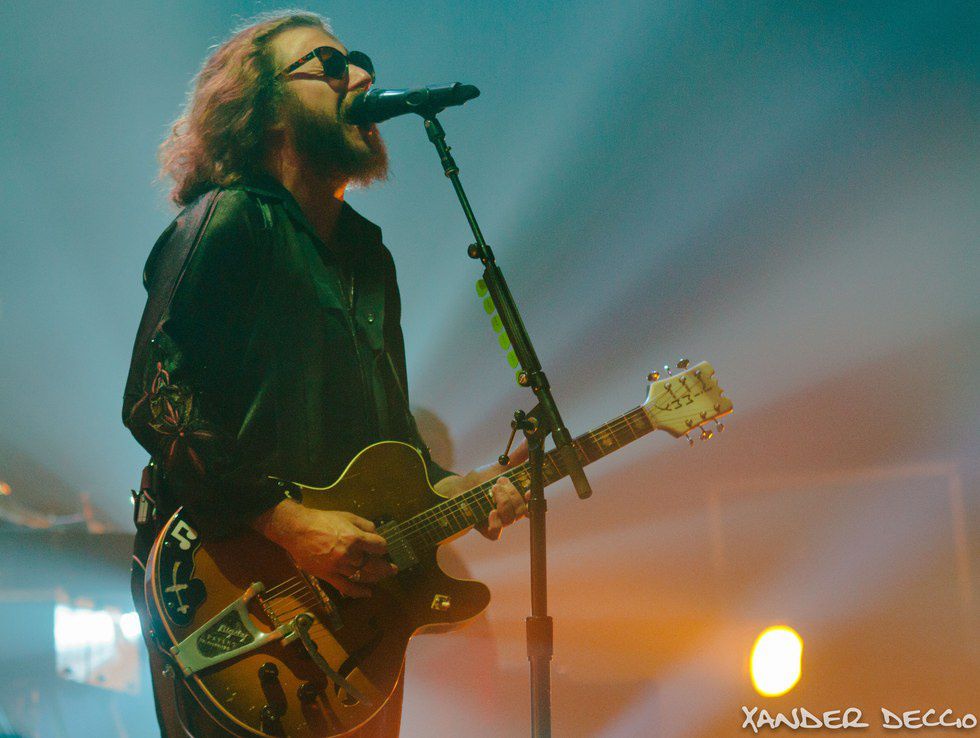
So there you have it. If you follow these five things, I promise you that you will be successful as a concert photographer. Just to forewarn you, it will take some time to work your way up to the bigger shows. Once you get that bucket list show, though, the payoff will be rewarding.