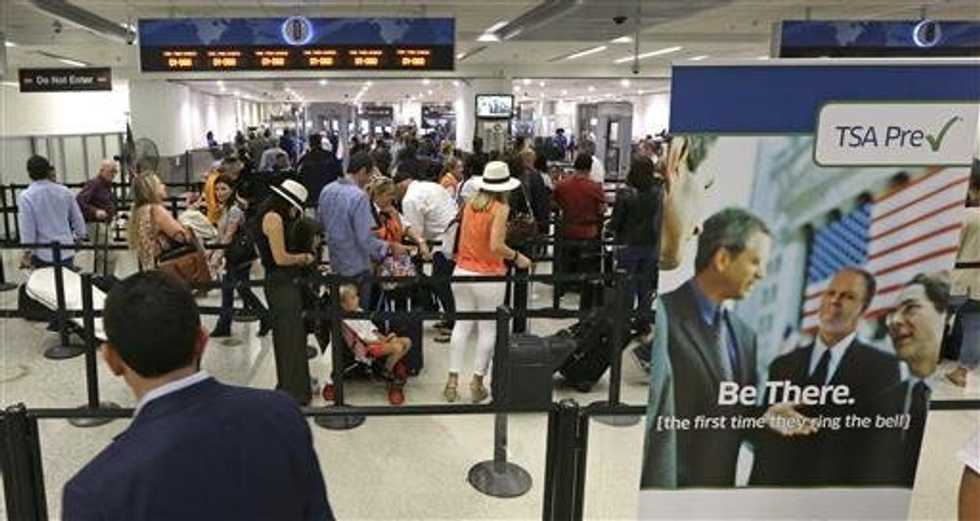
It is safe to say that the worst part about going on vacation is getting there. The airport can be a really busy place that is full of dirty luggage carts, crying children and long lines. The most dreaded line of all is the TSA security line. Depending on which airport you go to and when you go there, you could be in line for hours. Although this line will never go away, federal officials are making steps to make it go faster.
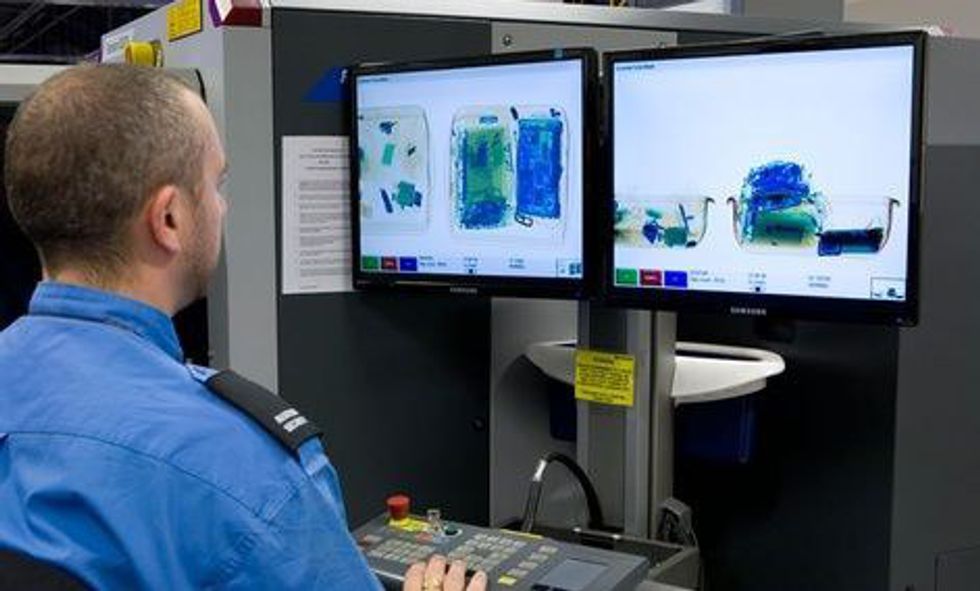
I recently traveled out of Logan Airport in Boston very early in the morning, and even then we waited about 30 minutes in the security line. From getting our boarding passes checked to taking our shoes off and putting them in the little plastic bins to be put through the scanners. There are lots of security people making sure that everything runs smoothly but I always find myself staring at the person who examines the X-ray because if they even look away for a second they could miss something very important. But this time the man was very focused and kept his eyes on the screen at all times, this made me feel safe.
Because of our recent travels at the airport, a recent article about making this security process quicker caught my eye. AJC.com explain that, “Federal officials said they are expanding tests to speed up airport lines and improve security” by using computed-tomography or CT scanners to inspect carry-on bags. These scanners are already used to examine the checked baggage, and only suspicious bags are examined by security workers. The CT scanners create 3-D images that are looked at and analyzed by the computers. If these scanners were used to check carry-on baggage they would, “eliminate the need for screeners to examine X-rays of every bag. It could also let travelers leave liquids and laptops in their carry-on bags.” If something suspicious is found then the bag is sent off to the side so it can be screened further, but if not, bags keep moving on a conveyer belt. Afterwards the empty bins are sent back to the front of the line and they are also given a radio-frequency-identification tag for even better tracking.
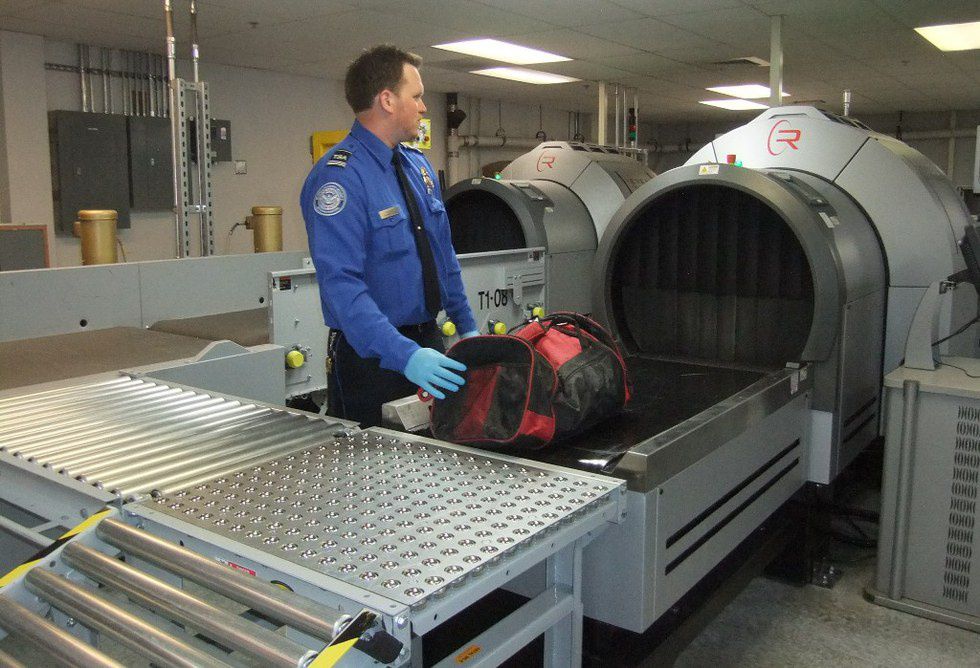
This new system is still being tested in Chicago, Dallas, Los Angeles and Miami but it is thought to be able to cut wait time by about 30 percent. “Homeland Security Secretary Jeh Johnson said TSA screened 10.7 million travelers over six days culminating with the July 4 holiday, and Thursday and Friday were the TSA's busiest days since 2007. Average wait time was less than 10 minutes and expedited PreCheck lines were under five minutes,” explains AJC.com.
It seems as if everything we do today is somewhat computerized. While it may make life easier and quicker, is it always the right route to go? They are taking jobs of many Americans and there are also so many things that can go wrong with computers such as glitching or hacking, do we really want to give up the human eye when talking about something as important as our safety?