

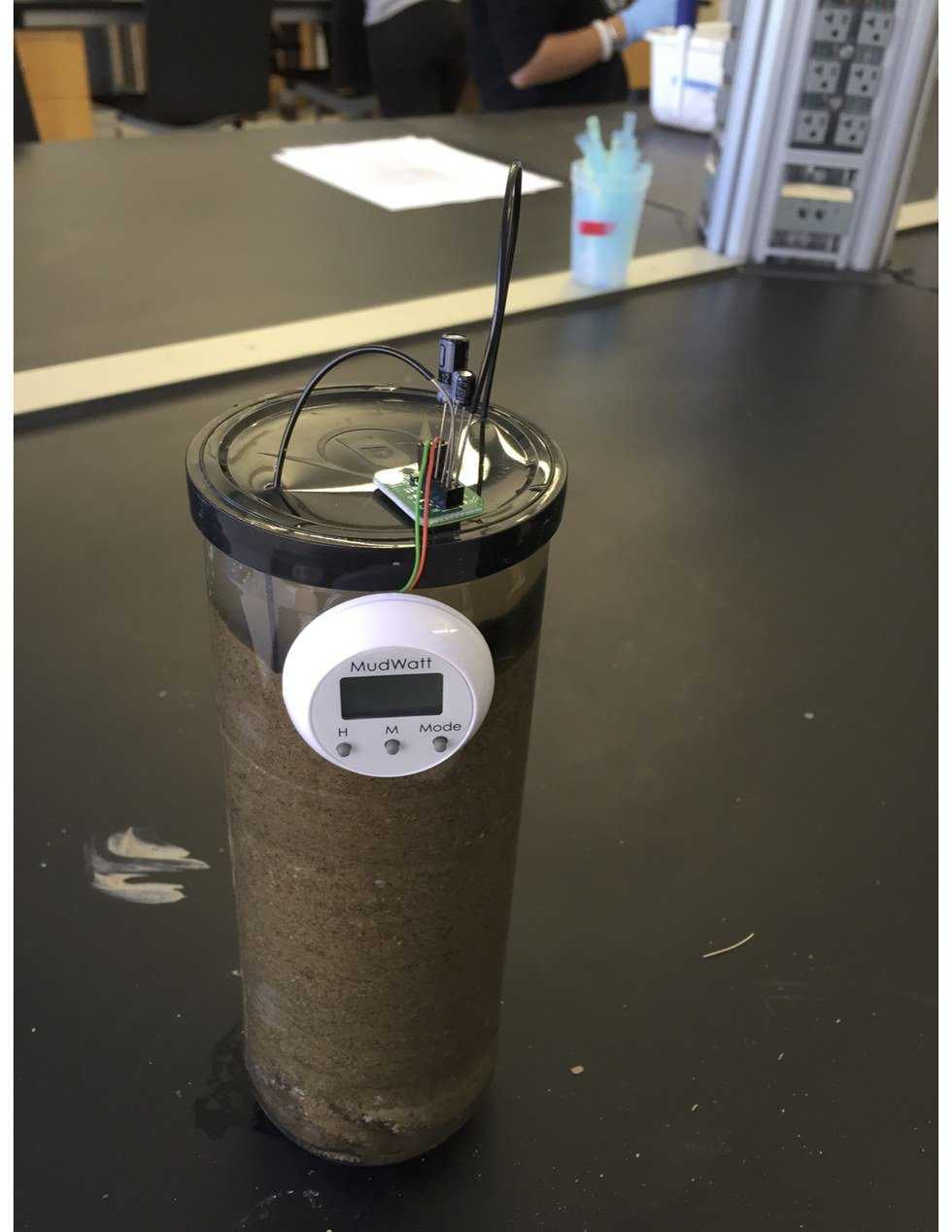
Two problems that we are currently facing are the depletion of the environment due to extraction of fossil fuels and the economic burden on low-income families. We are confronted with water pollution and turn to other, more strenuous and expensive, ways to gather nonrenewable resources such as oil. Microbial fuel cells (MFCs) have the potential to tackle those problems.
They use mud and waste and convert it into usable energy. It is a promising source for alternative energy that will have a positive impact on the environment and potentially relieve some of the economic burden surrounding housing — if we invest more energy into microbial research. These fuel cells have the potential to be mass produced and used in ways that would reverse some of the environmental damage done by our dependence on fossil fuels while, at the same time, powering homes or buildings. This project is fairly new, but with the appropriate time and funding, it is possible that we will be able to shift society to the next level by using this new technology to our advantage without harming the environment.
Microbial fuel cells use the metabolic energy released by bacteria and convert it to electricity. The cell is composed of a negatively charged anode surrounded by bacteria, primarily found in organic waste, in an anaerobic (zero oxygen) environment. On top of that is a semi-permeable membrane, followed by an aerobic (oxygen present), positively charged cathode. The fuel cell relies on the bacteria’s ability to give off an electrical charge. Bacteria like Shewanella oneidensis or Geobacter sulfurreducens are usually used since they are known to give off a charge. The bacteria attach themselves to the anode and decompose the organic material from the soil or waste, which then causes them to give off positive hydrogen ions. Those ions enter the anode and move through a wire to the cathode. That process is where the electricity is made, but the cycle has to continue in order to be self-sustaining. The positive hydrogen ions exit the cathode and are pushed by an electro-chemical gradient through the semi-permeable membrane back to the area surrounding the anode where it joins oxygen and releases pure water.
MFCs not only treat wastewater, but they produce clean water in a way that does not use harsh chemicals or require immense amounts of fossil fuels to keep the process running. Traditional water treatment plants require fuel to pump oxygen into the tanks, which facilitate the growth of bacteria that consume the organic materials left over after filtration. That process leaves behind sludge, which needs to be removed and usually ends up sitting in landfills. MFCs actually reduce the amount of sludge produced by as much as 80 percent, which would lower the cost of sludge removal and transport to landfills. The anode and cathode are made out of carbon felt, not precious metals. which are expensive since they are difficult to obtain. The use of MFCs for water treatment purposes would cut costs of wastewater plants by 30 to 40 percent.
About 2 percent, or $40 billion, of the United State’s energy budget used comes from industrial wastewater plants. Wastewater contains about five times more energy than it needs to treat it. So a lot of the money put into the electricity to keep the oxygen pumping into the water is unnecessary when bacteria can do the process with minimal, if any, assistance.
At a typical paper-recycling plant, a MFC that is one cubic meter can treat three cubic meters of wastewater. If you increase the amount of organic materials present and add additional electricity releasing bacteria, enough power can be generated to potentially provide electricity for appliances, and maybe eventually for an entire house or building. MFCs could be the answer to our search for alternative energy sources used to supplement fossil fuels and lessen our dependence on them.
A large scale MFC will pay for itself within five years of its installation, according to Emefcy, a company who has already begun creating large-scale MFCs in Israel. It is a relatively quick payback period, half the amount of time it takes for solar panels to save their buyer’s money after paying to install them. The use of this energy source could potentially eliminate, or at least minimize, gas and electric bills for a household or building, which could make maintaining public and subsidized housing easier and cheaper. Even in regular housing, eliminating a gas and electric bill makes it more affordable. For people who have multiple or large, extravagant homes, those homes could be powered in a way that has a positive or neutral impact on the environment, instead of a negative impact. Neighborhood sewage plants could be turned into power plants that require only the input of waste instead of additional fossil fuels.
This process can also be applied to agriculture by using compost, which is rich in organic substances, for the bacteria to feed off of. In a small scale MFC, the kind of soil used will affect the output energy. For example, forest soil produces about half the energy that agricultural farm soil does solely because of the abundant nutrients present in the farm soil. Since this is a relatively new science, there is so much more research that needs to be done in order to bring this project to the community or private dwelling level. If the right resources are allocated toward this project, then the cost of living could be more sustainable and affordable.
If the reaction of a microbial fuel cell were reversed, switching it from electrogenesis to electrosynthesis, then hydrogen would bubble out of the cathode that can be collected. That reversal would require 0.25 volts of electricity input into the fuel cell, but would result in about 90 percent of the total charge of the cell producing hydrogen gas.
Traditional methods of obtaining hydrogen gas require 10 times more energy, making the use of a MFC the more efficient method. Hydrogen gas is used to power some cars, by relying on the reaction of hydrogen and oxygen. Those cars only release water, as opposed to gasoline and diesel fuel engines that release greenhouse gasses, like carbon dioxide, which contribute to global warming.
Gasoline comes from crude oil, and if that oil spills, it pollutes the earth and water, devastating the local ecology. The mining and refining of the oil also releases chemicals such as sulfur dioxide and carbon monoxide into the atmosphere. Basically, most of the chemicals and methods surrounding oil drilling are hazardous to the environment. If we could set up MFC plants near polluted water sources, for example, ones that have been polluted due to oil drilling, then we could potentially reverse the effects of the damage, while also producing a clean energy source that can be use to fuel engines.
If enough energy is put toward microbial fuel cell research, then we could see a paradigm shift from reliance on nonrenewable resources to focusing on more ways to create clean, renewable resources. MFCs could combat pollution by cleansing polluted rivers and lakes. We could use those cleansing methods to produce electricity and hydrogen to eliminate, or at least supplement, our dependency on nonrenewable resources that are harmful to the environment. These fuel cells could potentially eliminate gas and electric bills, fuel buildings and eventually neighborhoods or cities. The waste created by food production can be cycled back into the production itself. Currently, these microbial fuel cells are only releasing 20 percent of their full potential because most of the microbes get lost in the semi-permeable membrane layer. Imagine what we can accomplish once we figure out how to guarantee the bacteria complete the circuit, making the trip from the cathode to the anode.
Imagine what fields we can breach with this new source of energy, how much damage we can undo and how much of the future we can change for the better with this new power.