
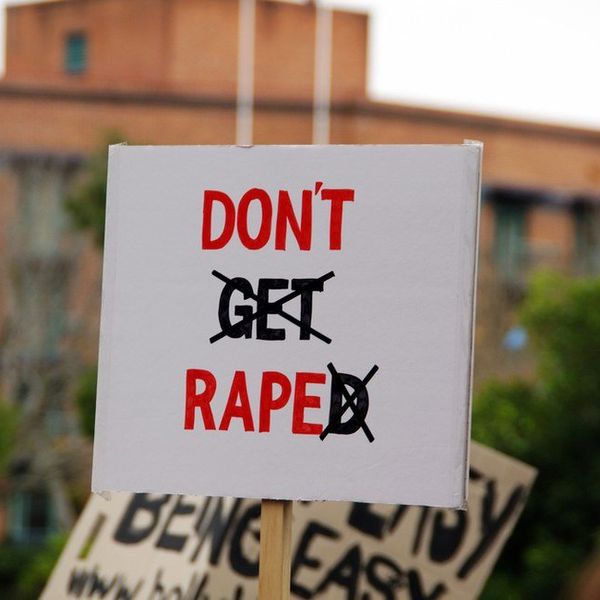
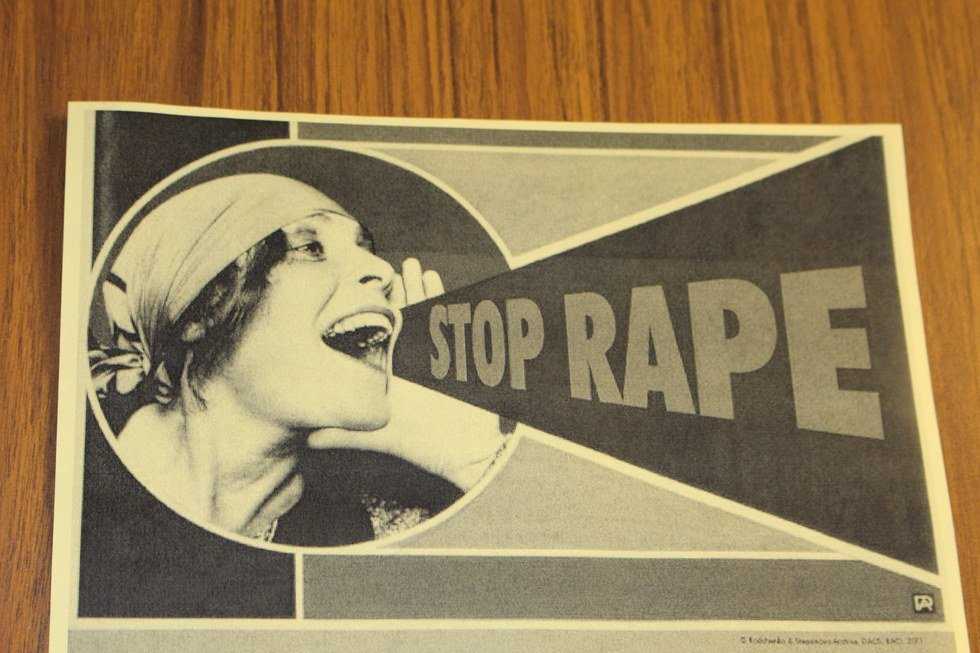
Last week, April 4th through the 8th, was Hiram's Sexual Assault Awareness Week. When I first thought of writing an article about this prevention effort, I thought it'd just be an overview of the activities I saw and an attempt to reinforce the message.
The "It's On Us" campaign is a national initiative put in place by President Obama as a challenge to universities and colleges across America to better prevent and hopefully completely stop sexual assault on campus.
As part of Sexual Assault Awareness Week on Hiram's Campus, my Social Problems class watched the documentary, "The Hunting Ground," which exposes the severity and frequency of sexual assault on campuses and the poor and inadequate responses school administration and police departments give to the victims. The documentary was also shown as an event on campus later in the week, which was open to all students.
There was a scene in the documentary that strung together sound bites of public announcements from colleges and universities addressing sexual assault. Every one of them said that all reported cases of sexual assault were viewed as "very serious" matters.
I find that very hard to believe.
A person came into my Social Problems class to talk about Hiram's policies in light of our new funding to improve sexual violence prevention trainings. The college put out a Campus Climate survey that closed on Friday last week to find areas Hiram needed to improve. I was frustrated much of the class time because the talk gave me more questions than answers. Learning new things generally does that to a person, but I couldn't help but notice the terse tone in which the issue was being discussed. But I gave up trying to remain optimistic once I heard the speaker say, in regards to reports of sexual violence: "All of them are taken seriously."
Really?
How can rape be taken seriously if the people investigating and prosecuting the crime still refer to rape as "non-consensual sex"? There is no such thing as non-consensual sex. It's sex or it's rape.
Why does our judicial system call acts of sexual violence "sexual misconduct" and not what it really is — sexual assault. Saying a person did not conduct themselves properly is not the same thing as saying that a person assaulted, attacked, or otherwise physically violated a person.
If every claim of sexual abuse, assault, or rape is taken "very seriously," then why are both the victims and the outside third parties blamed for the crime instead of the perpetrator? We all know what victim blaming is and that it's wrong. But I think we've officially upped the anti:
Speaker: "Students have a voice, but they don't use it."
Student: "Administration doesn't listen to us."
Speaker: "Yes, we do. We take student feedback into consideration all the time. You have so much power and you have no idea."
Student: "We know that you know this is a problem. Why are you leaving it up to the students?"
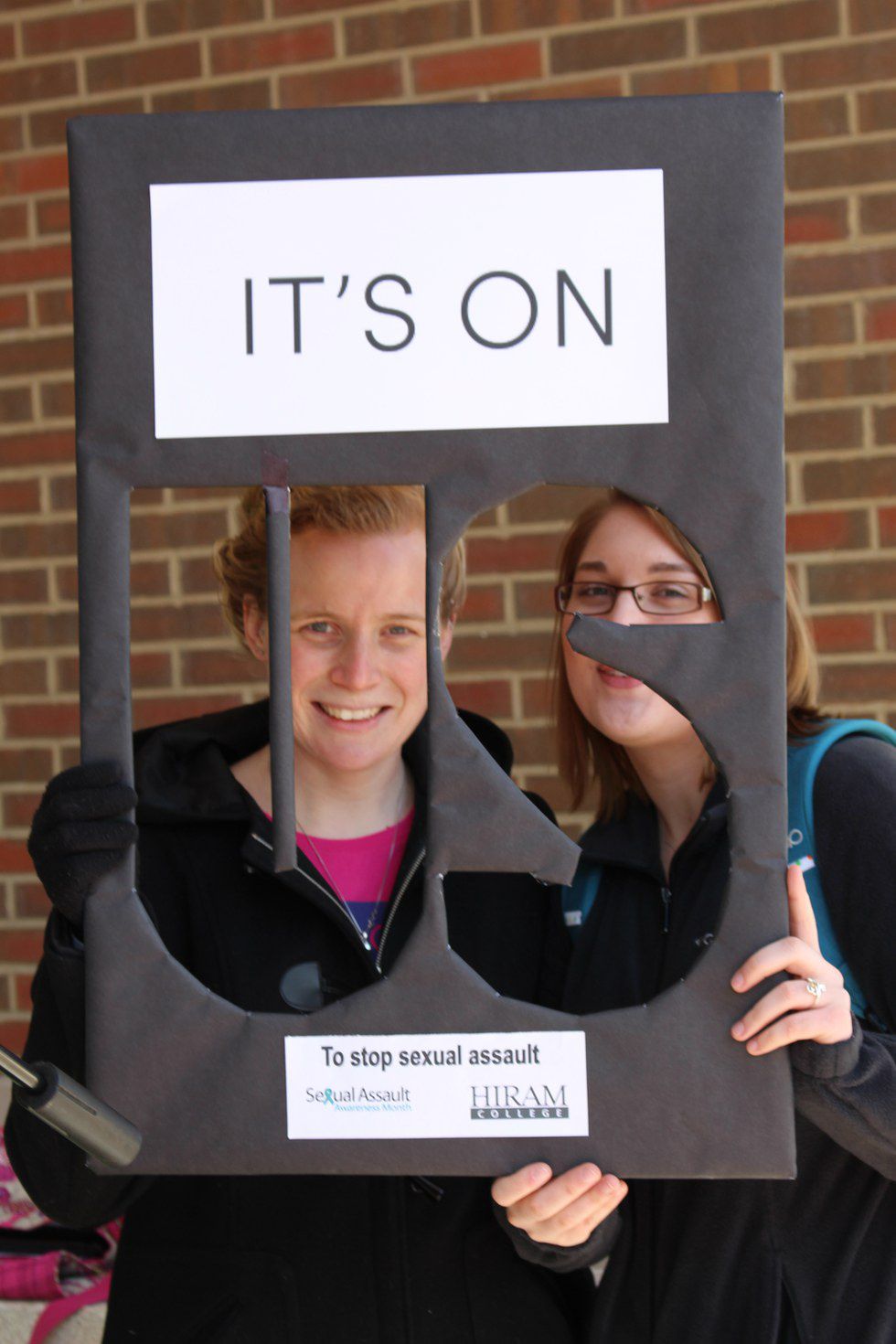
Well, "it's on us," isn't it? Or, maybe, instead of saying we take sexual violence on campus "very seriously," we actually do. What if, instead of teaching people after the fact about what's consent and what isn't and how to have the conversation in the first place, we talk to everyone about this all the time beforehand?
What if, instead of saying administration takes student's opinions into account, they actually do? Instead of blaming students for not trying hard enough, why don't we give students access to resources they need to help themselves and others?
How can we be taking sexual assault seriously if we're still afraid to talk about sex in the first place?
If we can't say "penis" and "vagina" without blushing, how are victims going to be able to come forward when they need help?
Our efforts started with telling girls how to not get raped. Then we started telling boys not to rape. Now we're telling everyone it's up to each person to step in and prevent a bad situation from getting worse. But each of things are equally bad at solving the problem.
Our culture hides sex. Or flaunts it through objectification. Both acts are unhealthy. If we want to prevent sexual assault from happening, if we want to make people aware of their resources, if we want victims to no longer be treated poorly, we need to pull the weed out by the root.
The problem we're addressing is not sexual assault; it's sex. And gender. And sexuality. And most of all, it's open, honest, and informed communication (or the lack thereof).
I don't want to be trained on what to do if I see someone being taken advantage of sexually. I want to be taught what the value of humanity is, in all of its complexities. I want equal representation for all forms of human beings. I want everyone's life to be worth the same — in theory AND in practice.
The issue here isn't just the prevalence of sexual assault; it's human rights. And treating this issue like it's separate from the greater issue of Civil Human Rights devalues it and distracts from the bigger problem. The longer we ignore the root, the deeper the weed will grow.
I'm very serious.