
After spending four years at college, I have learned many things about myself. I have also learned many things about my peers, and that there are several different types of people that come to college. Some people know exactly what they want to do with the rest of their lives, and have chosen a specific school to best fit their desired pathway. Some people think they have a plan, but that ends up changing when they find an alternative they are more passionate about. There are others who are unsure of what they want to do when they come to college, but they enjoy school and know that they will figure it out as they go. Then there are the people who are not here primarily for the school, but for other reasons. These reasons could include sports, flirting, or partying. This type of person doesn't care so much about the scholarly aspect of college, but can look back after four years and say they thoroughly enjoyed their time.
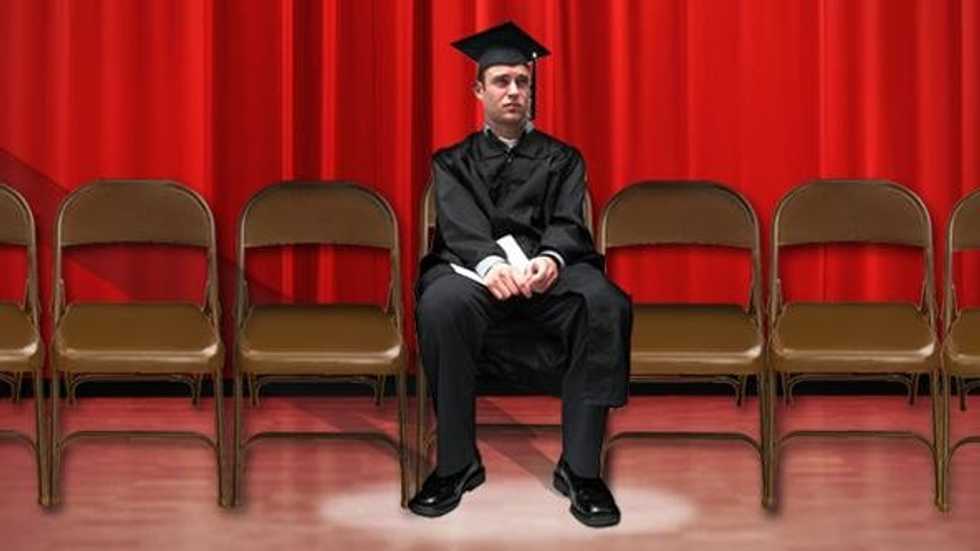
These four categories of people seem to cover the majority of students at college, but it is leaving out a fifth one. This fifth category does not get as much attention as the other four. There are some people who cannot stand doing school work, could care less about the partying aspect of the "college lifestyle," and have no idea what they want to do with their lives. Yet they decide to attend college, many of them taking out tens of thousands of dollars in student loans in the process. Sometimes, this type of person goes through their four years and ends up with a degree, but has no passionate pathway to venture down. But if they hate school and don't know what they want to do in life, why do they put such a financial burden on themselves and go to college in the first place?
It seems that we, as a society, have made college the default "next step" after going through 12 years of public schooling. A college diploma has become almost akin to what a high school degree was, say, 30 years ago. The big difference is that 12 years of public school is free, and a four-year college degree can cost five or even six figures. That is a lot of money to spend for someone who, at the end of it all, is essentially in the same boat that they were in when they left high school. Yes, a college degree will look good on a resume and could help this person obtain a higher-paying job, but if they lack passion or desire, was it really worth it?
There is a huge emphasis on obtaining a higher education, and rightfully so, being in the society we are today. And there are definitely very viable alternatives to attending college right after high school, be it learning a trade at a community college or taking a gap year to figure things out (which I am a huge fan of). The problem lies in the fact that the age of 18 is much too young to ask an individual what pathway they want to take on for the rest of their lives. Sure, some people have the parental guidance they need to make that decision at that age, and you can always change and adapt the path you choose. However, this fifth type of college student likely doesn't have that guidance, or the confidence to seek it out. And after four years of student loan debt, it becomes hard to change paths. And instead of the individual choosing the path, the path inevitably chooses the individual.