


For many years, the battle between these two liquid powerhouses has come down to the wire. So let's look at the facts: what are the benefits of these two conflicting caveats of caffeine? Which one shall reign supreme in the beverage world?
Tea:
1. Tea is filled to the brim of the tea cup with antioxidants.

So what do antioxidants do? And why are they so helpful? Antioxidants protect the human body from oxidation, which basically deteriorates the body. With this helpful chemical, cells within the body are protected from being broken down easily.
2. Tea has less caffeine than coffee.
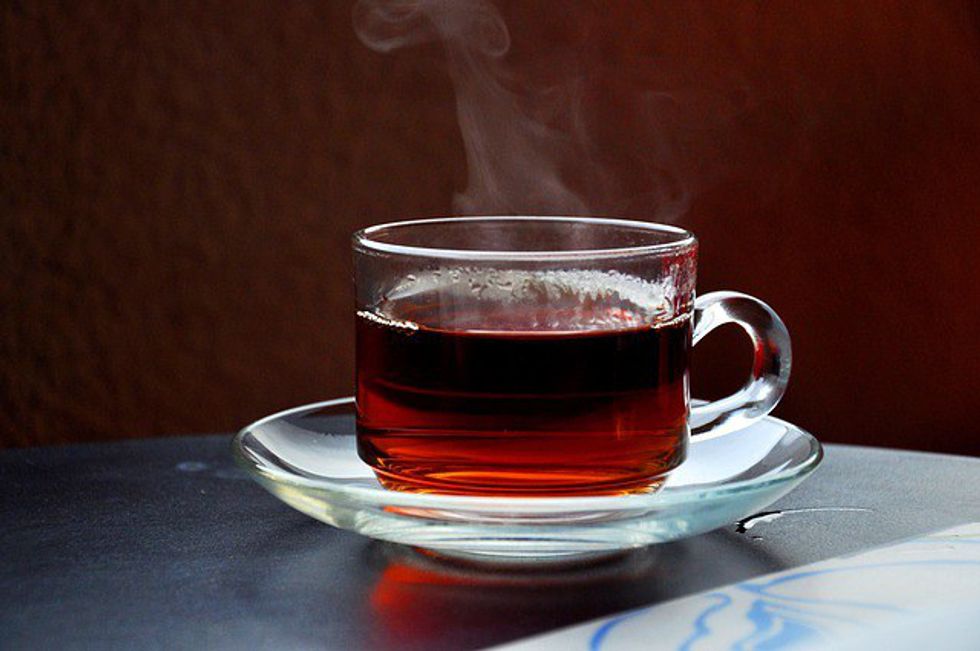
I know, I know. Caffeine is great. It gives us that much-needed pick-me-up during that early morning rush to work or school. But, like many things in the world, this is a problem of scale. Too much caffeine can cause damage to the central nervous system. It can also lead to dependency on caffeine due to tolerance. With tea, you get a healthy dose of caffeine. Enough to wake you up, but not so much as to cause a bad case of the jitters.
3. Tea can keep your teeth healthy.

Unlike so many popular drinks today, tea is one of the few beverages that does not erode tooth enamel. Tea comes in so many different flavors and styles, that it is easy to choose a favorite.
4. It has zero calories.

Tea is a great alternative to water, providing many different flavors and flavor combinations from plain and simple green tea to pomegranate oolong.
5. Its best friend is honey.
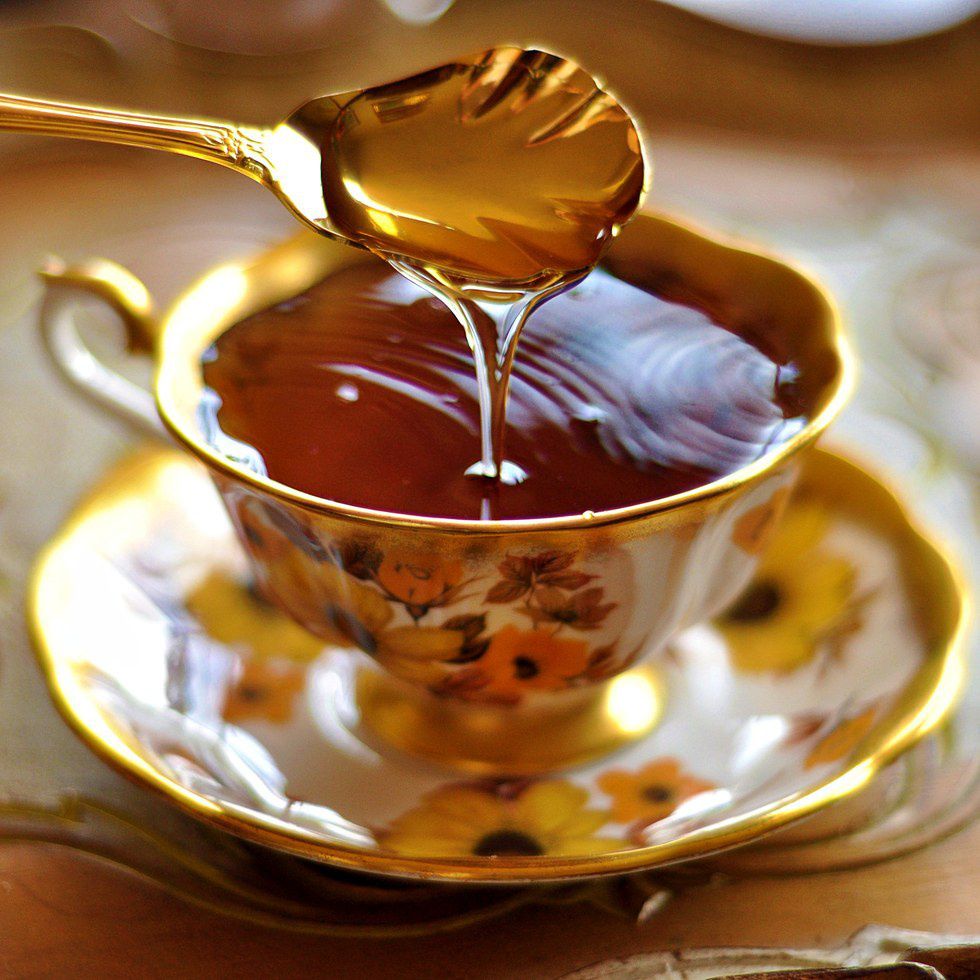
Honey is probably one of the most amazing things on this planet. Not only does it have a lot of vitamins and antioxidants, it can also act as a more natural alternative for allergy medicine. When paired with tea it adds a subtle hint of sweetness, without the consequences of sugar.
Coffee:
1. It acts as an anti-inflammatory agent.
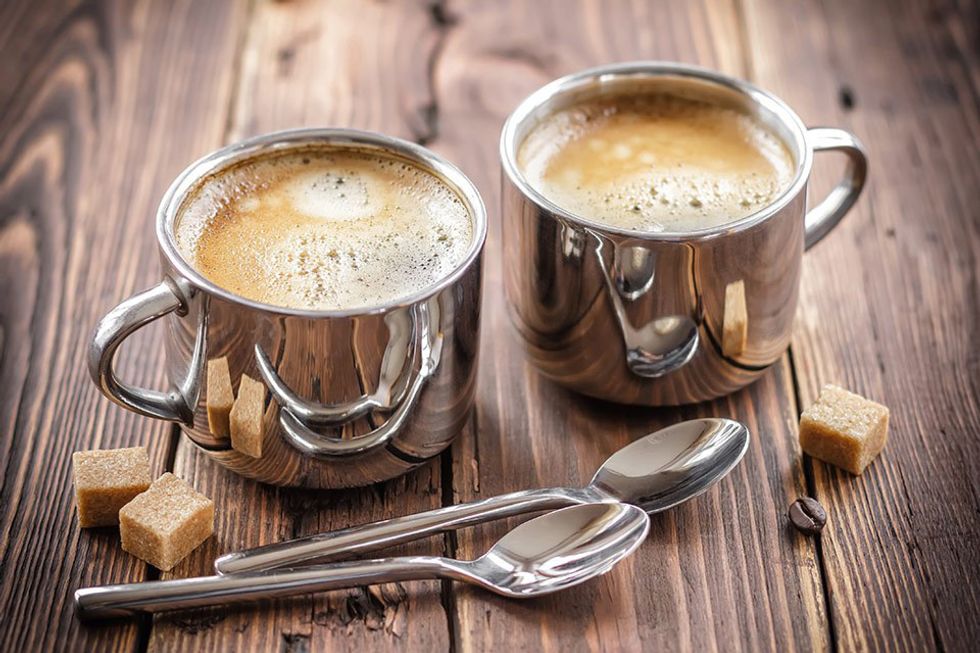
Coffee minimizes inflammation by drinking one to three cups per day, which can prevent heart inflammatory disease, which is common in post-menopausal women.
2. Coffee drinkers have been shown to have a less likely chance of getting Alzheimer's.

Recent studies have shown that there is a chemical in coffee that reduces the chance of getting Alzheimer's in older age.
3. Increases short-term memory efficiency.

Scientists believe that coffee improves short-term memory efficiency and increases reaction times, especially in the elderly.
4. Get more caffeine by drinking less.

An 8-ounce cup of coffee contains about 150 mg of caffeine, while the same amount with green tea is about 70 mg of caffeine. As you can see, you get more caffeine out of one cup of coffee over one cup of green tea.
5. It provides a whole lot of nutrients and vitamins.

riboflavin (Vitamin B2), 6 percent of pantothenic acid (Vitamin B5), 3 percent of manganese and potassium, and 2 percent of niacin and magnesium.
Conclusion:
As a lover of both tea and coffee, I can say with confidence that I think that there is not one that is better than the other. For me, tea is a very light drink and a great way to drink more water, while coffee, with its rich flavors and pick-me-up effectiveness, is a great mid-morning drink. They are both very versatile drinks with great flavor combinations, so I believe that this battle of beverages is based on personal preference.