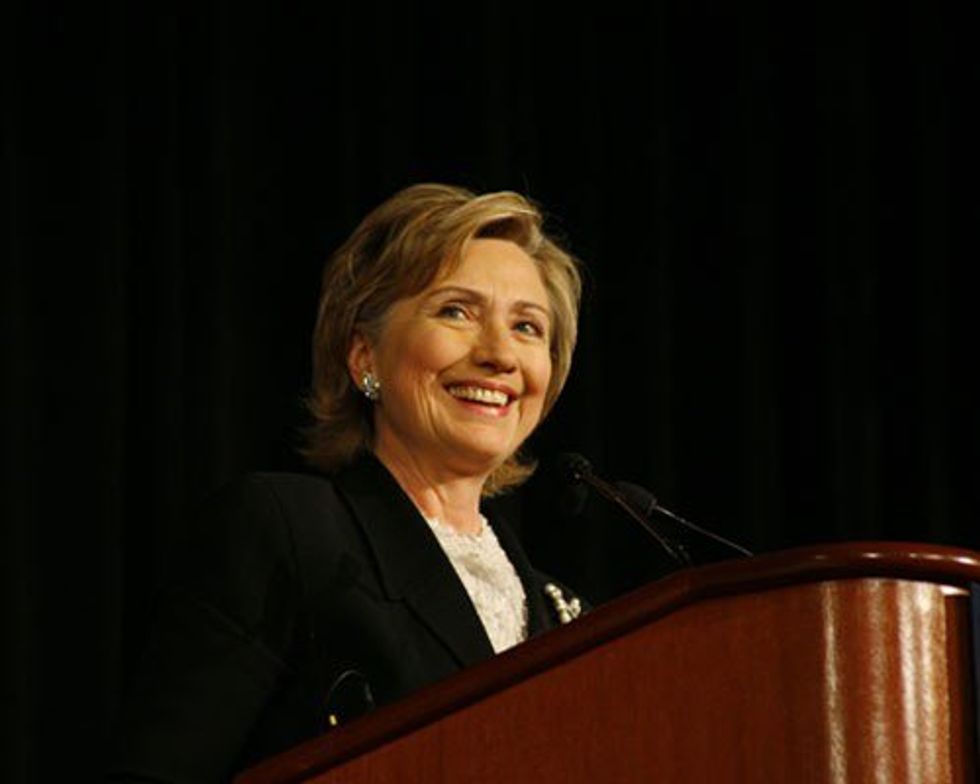
It is almost impossible to think of college without thinking of the financial burden it brings. Presidential candidate Hillary Clinton agrees and wants to make a change. On Aug. 10, Clinton announced her New College Compact. This plan reduces the barriers in the challenge that is paying for college. According to the plan's fact sheet, New College Compact would allow multiple ways to reduce costs. These include promising the federal government would NEVER again profit from student loans. Of course, the plan has its flaws.
One step calls for families stepping up to contribute to college. Many families already do this and can't afford to "step up" any more. In a family, there are more people than just the college student to worry about. While families would love to pay for the child's education, sometimes it is just not a feasible option. Some students can also not handle working while attending school. While many make it work, some have their grades slip and have too much stress trying to tackle both.
The plan does hope to ensure that students can attend a four-year university without taking out loans. This would be extremely beneficial and a dramatic revolution. To do this, colleges would need to offer more grants, causing time and brainstorming before this can happen and is seen into action. Colleges and states would be awarded for helping students graduate debt-free as well. The plan pushes for creating new ways to help make college for affordable. Of course, students would still have other expenditures toward college life besides education. Renting, eating, and buying books and school supplies may cause students to still seek out loans.
While the plan may not make loans and costs go away, it could reduce debt. The plan could save borrowers $2,000 in loans by borrowing at current rates. The plan also promises a cut in interest rates, which greatly contribute to debt. The biggest part of the plan offers a repayment plan based on the user's income, making it so loaners never have to pay more than 10 percent of their income. Clinton wants to make college more affordable, but also understands loans are a necessity. Reducing debt is a compromise that will hopefully hold true to making higher education less costly in the long run.
Clinton also hopes to make community college tuition-free. This was a mission President Obama wished to see happen, and Clinton hopes to see it come to fruition. While some may not see themselves in a community college and hope to attend a four-year university, higher education is still higher education. Every class and hour of learning counts. I have seen students from community colleges become more successful than those attending a four-year private university. It all depends on the student. Community college is also a good option to work their way to a four-year university. A student could take classes at a community college and earn credit for when they can afford a four-year university, making them get ahead for when the time comes.
With so many factors put into the plan, it will be a costly expenditure. New College Compact is estimated to cost around $350 billion, making this Clinton's highest campaign proposal. Many hurdles would have to be gone through before the plan could be put into action, making it unpredictable on when the launch date would occur. It would also take 10 years before the plan could be paid off. While New College Compact is a lot to process, it shows Americans that Clinton cares about students and wants to make a difference when it comes to higher education. You don't have to like all of her views and political stances, but you have to admit the woman has passion for politics. I, for one, applaud Clinton on her willingness to step up and make a plan on how to fix this problem.