
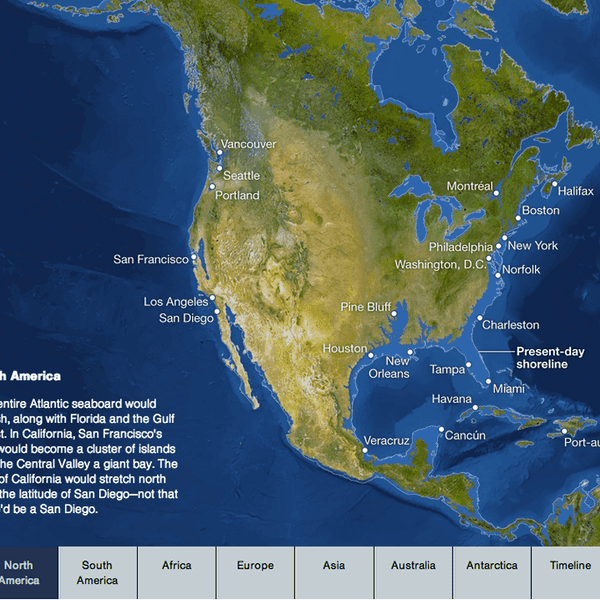
In response to the increase in demand for an explanation for the ascendance of warmer weather, rising sea levels, expanding deserts, and more violent storms, 195 countries met in Paris this past week for the United Nations Climate Summit 2015. Around 40,000 attendees heard the cries from many national leaders to stress the significance of resolving this dilemma. Three of the top emission-producing countries were present: China, The United States, and India.
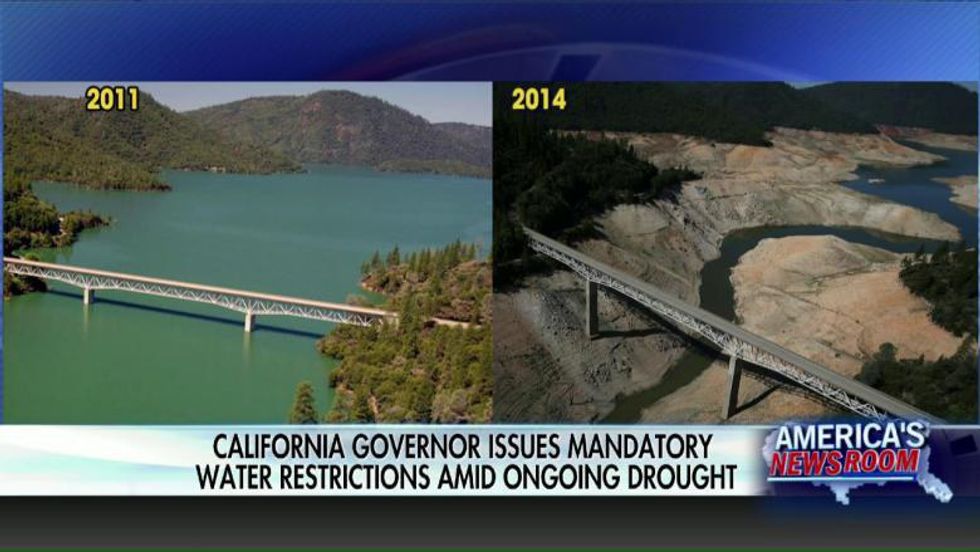
Earth's climate change is agreed to be caused by an increase in temperature. In the past 100 years, Earth's temperature has risen by 1.2 to 1.4 degrees Fahrenheit. Although many may find this insubstantial, the cause of this increase has created skepticism on the whether it is the natural flow of increased energy from the Sun, or whether human activity is creating warmer temperatures. Regrettably, this is the only facet of the narrative of climate change that is emphasized, rather than the farms that are withering away alongside their crops, or the increased frequency of droughts; most notably the drought in California which was caused by increased pressures in the Pacific Ocean that prevented storms from reaching California.
To some extent, partisan politics has caused a stigma for climate change. Senator Ted Cruz proclaimed that "alarmists” about global warming were trying to gain “more power over the economy and our lives." This was followed by another remark that claimed global warming is not science and that it is a religion. I don't believe Senator Cruz has taken into the account the condition that would follow if the world does not take measures to limit CO2 emissions: decrease in food and water supplies, displacing millions of animals to environments that expose them to illnesses that could reach humans, and worst of all: the annihilation of civil society.

At the UN Climate Summit, many national heads of states claimed their allegiance to the cause, including Obama, Prime Minister David Cameron, and Israeli Prime Minister Netanyahu. There were remarks on the ways by which some countries have taken inspiring initiatives on how to deal with the disenfranchisement of Earth's climate in everyday matters. The Himalayan Kingdom of Bhutan has taken the matters of global warming and has made them inclusive to their sociopolitical dogma. Last summer, Bhutan created a world record by planing 50,000 trees in one hour.
I don't believe it is impossible to reach the same high standard in Bhutan. Obviously, words can only go so far in convincing policy makers and creating a collective of individuals that would prioritize budgeting efforts to centralize coal factories and employ new strategies in attaining clean energy, such as our southern neighbor Uruguay who generates 95% of its electricity from renewable energy. How is it that a more economically disadvantaged country has out-stepped the hegemony of our time? What on Earth are we doing?