Classic literature encompasses many things. To some, it's the lexicographical wizardry of Shakespeare or the atmospheric sonnets of Keats. To a few more, it is Dante's epic poem "The Divine Comedy," chronicling the journey of the protagonist from hell, to purgatory and finally reaching paradise. Last, but not the least and by no means the last category in all of written literature, the classic, future-speculating magna opera of science fiction like "The Time Machine" by H.G. Wells, that showed what the future might be like, and Clipper of the Clouds by Jules Verne, that envisioned the eventual reality of heavier than air flying machines.
All these stories are important, but it is safe to say that none has pervaded the collective as much as the classic horror stories, like "Frankenstein" and "Dracula." Although when they were written and published they were not actually considered 'horror' because that genre hadn't been invented yet — they were deemed Gothic fiction, similar to "Wuthering Heights" by Emily Bronte — but they are definitely the two cornerstones of what is now considered classic horror fiction.
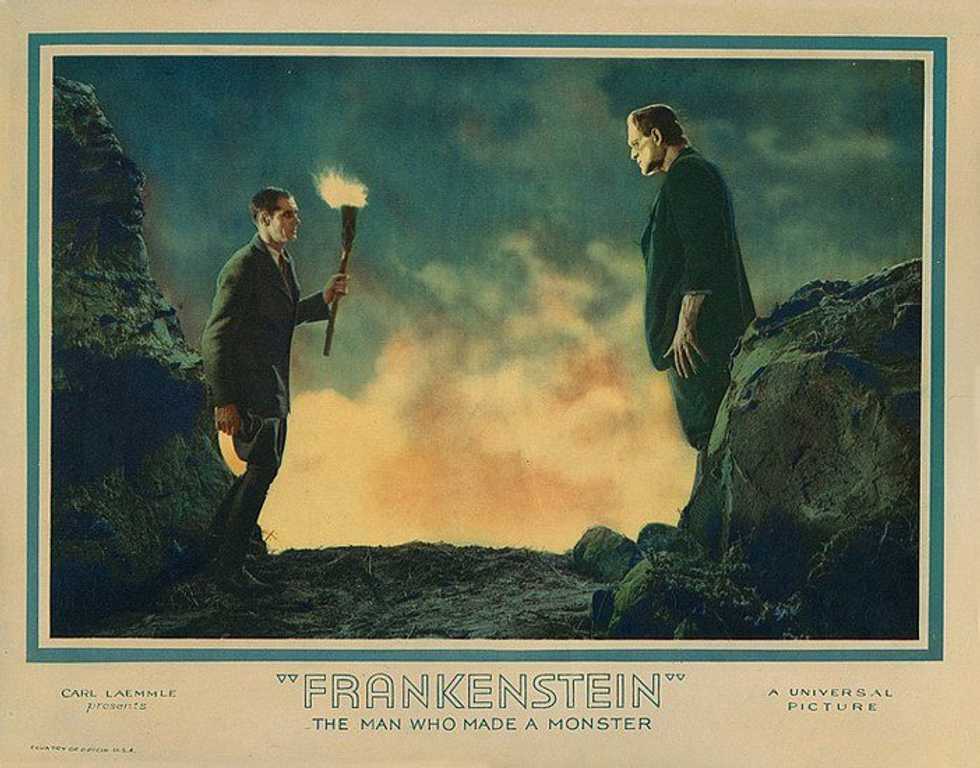
"Frankenstein," starring Boris Karloff in the titular role.

"Dracula," with Bela Lugosi in the lead.

The mere mention of the names of these characters brings chills to people's spines, recollections of horror they felt as children when these characters were mentioned, either in a literature class or a really scary movie night. These characters have a timeless allure, and they are the cornerstones of modern horror films. Deformities stitched together to make an even greater deformity, evil rising from a state of presumed death. The source materials were and indeed are dark and complex psychological thrillers. As The Monster was created by a scientist as a laboratory experiment and brought to terrifying life, "Frankenstein" is also credited as being the first science fiction book to have ever been written.
However, the ravages of time leave nothing pristine and untouched, and unfortunately, the adaptations have become woefully cliched and overdone, with only certain tropes of the original stories remaining in the collective subconscious of the majority of people. This, then, will serve as a reminder of the glory days these characters enjoyed and indeed continue to enjoy while also revisiting some of the plot points that made these stories much more than just cheap thrills and parlor tricks.
"Frankenstein" is a landmark book in the amount of its rich and varied influences and how it put them all together in a literary boiling pot and didn't manage to lose the distinct flavor of any of the ingredients but instead highlight them all in a unique way. In the book, the Monster actually reads the book "Paradise Lost" by John Milton and says that he sympathizes with the role of Lucifer, the fallen archangel. The Gothic elements of mystery, darkness and foreshadowing also feature prominently in the story. The book "Frankenstein"'s subtitle is actually "The Modern Prometheus." The subtitle is almost always omitted in published editions now, but it is actually quite context-appropriate as it is referencing the Titan in Greek mythology who stole fire from the Gods and gave it to humanity, an act that the rest of the Greek Gods were none too pleased about in Mount Olympus, and decided to punish him for all eternity. Frankenstein, the scientist who created the Monster, can then be said to have stolen the power of creation from God. And as a result, his creation turned on him, as it was against the wishes of the ultimate Creator. There is a deep and epic religious allegory present then, in the story.
"Dracula," while much less heavy in terms of religious and an almost scholarly integration of different literary styles and inspirations, is equally as iconic as Frankenstein. The vampire, in a way, is the opposite of The Monster — Dracula cannot die, and The Monster has reanimated life. There is a scene in the book where Dracula is standing next to a character near a mirror and talking with them, and once the conversation ends and Dracula leaves the frame, the character he was talking to realizes that Dracula has no reflection in the mirror. A truly terrifying thing to imagine reading in a book, and even more so when done on screen.
While the adaptations of the source materials are endless, it is a testimony to the source materials' immaculate quality that so many adaptations can be pulled off and people still flock to see them. Horror and fear may be the most hated and possibly underground of literature the heavy metal of book writing, if you will — but it has its place in the varied history of literature and its many adaptations across many different forms of media.