
Here I sit, exhausted, sandy and sunburnt, at the end of my second wonderful week at Rhodes University. I haven’t seen any elephants yet (next weekend hopefully), but I have had some absolutely eye-opening experiences that I can guarantee you I will remember for years to come. So, let’s start with the least exciting topic: classes.
I am currently enrolled in three classes: Journalism II, Environmental Studies III, and English II. Classes here tend to be pretty similar to those back home, but there are some significant differences I feel are worth mentioning before I talk about the cool stuff. Classes here are divided into two major parts: lectures and practicals. Lectures are almost identical to their Hobart counterparts; however, given the large class size (my smallest class has at least 40 students), there really isn’t much dialogue between professor and student. Practicals are much smaller groups of students who meet once a week to work on larger projects under the supervision of a professor. These groups really emphasize the biggest difference I’ve noticed between classes at Rhodes and classes at Hobart, which is the hands-on approach taken by Rhodes courses.
If I’m being totally honest, the theory covered by lectures at Rhodes is not, at this point, remarkably challenging. For example, my ENV III class, which is the highest level the university offers to undergraduate students, spent the majority of a class period this week on Hardin’s "Tragedy of the Commons," a subject I covered in my freshman year at Hobart. However, that same week I spent Friday afternoon with members of my practical deciding the best way to approach catching small rodents so we could better analyze how invasive species affected biodiversity in Grahamstown. I have not come across that type of hands-on learning at Hobart in any of my classes, and it does make me wonder if learning advanced theory is useful without the know-how to use that theory in the field.
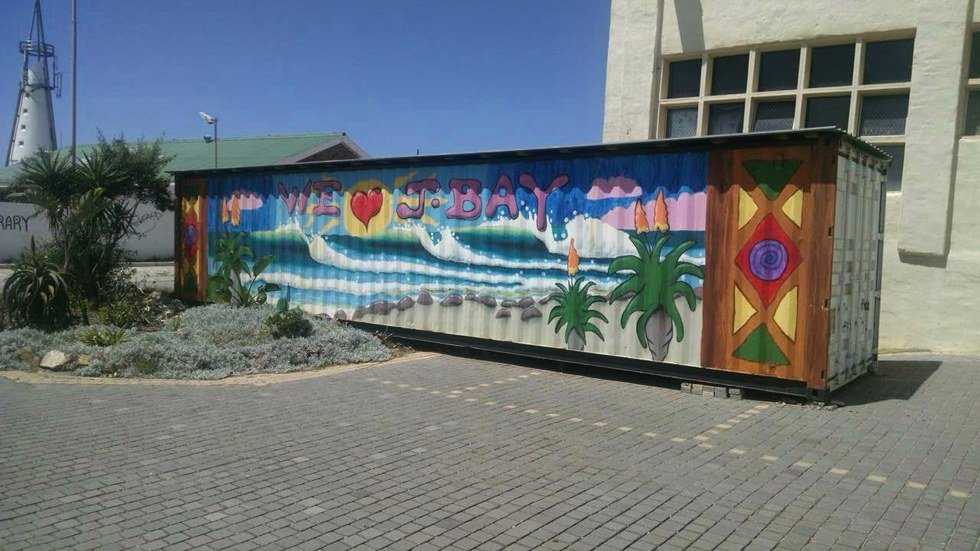
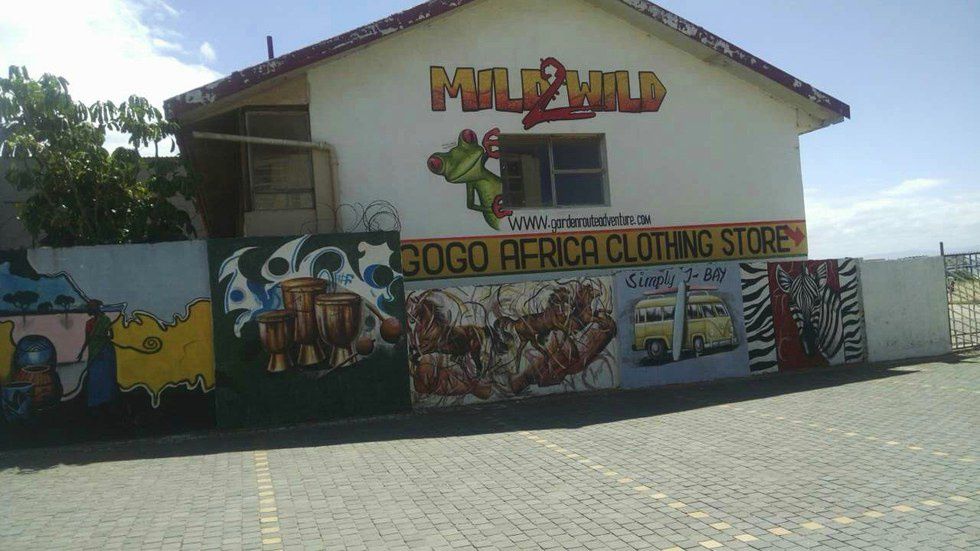
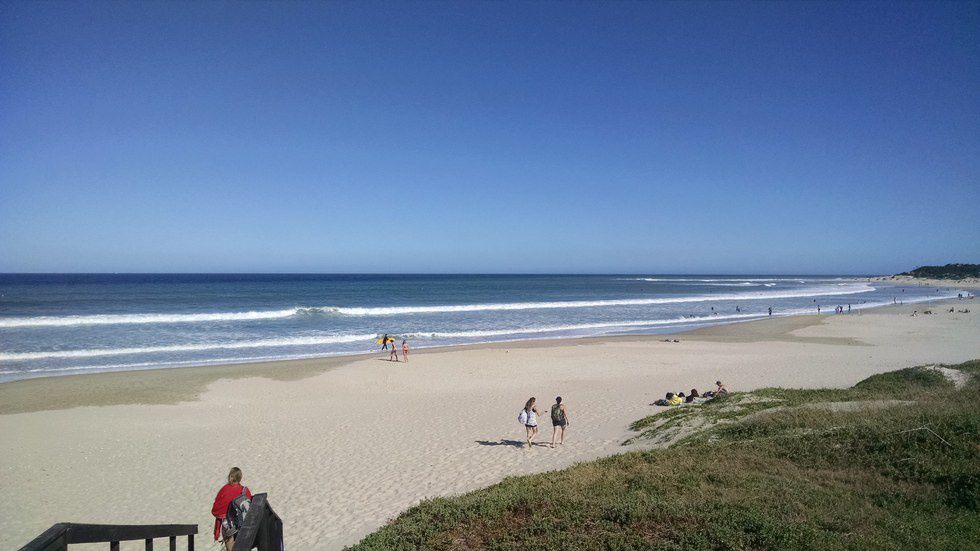
The next activity I want to tell you about is the trip I took today to Jeffrey’s Bay. I learned a few things there: surfing is not my forte (but still incredibly fun); I can apply half of a bottle of sunscreen and still come away from the beach looking like Elmo’s gangly cousin; and seagulls here are surprisingly chill. The truth is, I could write pages about how beautiful the South African beach is, but I’ll just leave this photo here instead:
The third and final activity I was blessed to have the opportunity to do this week was to take a tour of the local townships just outside of Grahamstown. The poverty in these townships is truly eye-opening, but what really struck me was the people. Look, I am well aware of the fact that I rolled into these poverty-stricken areas with a tour guide in a big white van full of rich tourists, so the treatment that I received is not necessarily indicative of the way that the township’s residents live their lives. With that said, the people that I was able to meet in these areas were genuinely inspiring, but also surprisingly eye-opening. I have seen plenty of third-world poverty on TV and even driven by it during my time here in South Africa, but what I realized while taking this tour was that I defined the people living in these areas by their poverty and nothing else. It’s truly awful that someone might not have access to running water or even electricity, but that doesn’t mean that person can’t still be a dynamic and fully-rounded human being with interests, skills and a cool personality.
On this one tour alone (which, I need to stress, was just one tour and only showed me a very specific part of life in townships), I met Mama, who could cook the best steak I’d ever eaten and boogie down with the best of them; visited an art studio where people could make and sell their own work; saw beautiful and moving mosaics; and visited a woman who runs an orphanage out of her home and currently provides a house to dozens of kids who would otherwise have no place to go. I met at least 20 different people on this tour, all while walking around with a sign painted on my back that screamed "This American has money." Despite this, not one person asked me for money. People did, however, teach me wonderful songs, kick my ass at soccer, show me how to skateboard down a hill on my butt, tell me about post-apartheid housing projects and so much more. Don’t get me wrong; the poverty in these areas is truly a problem and must be addressed, but the people who live there are not defined by their lack of material items. They are human beings, and as human beings they are defined by their actions, their talents, their hopes and their dreams.
I swear, just when I think this country might let me go a day without dropping a major life lesson on my uncultured ass, the great people who live here show me something new, exciting and eye-opening. I can’t wait to find out what I’ll learn next.
Peace and love.