
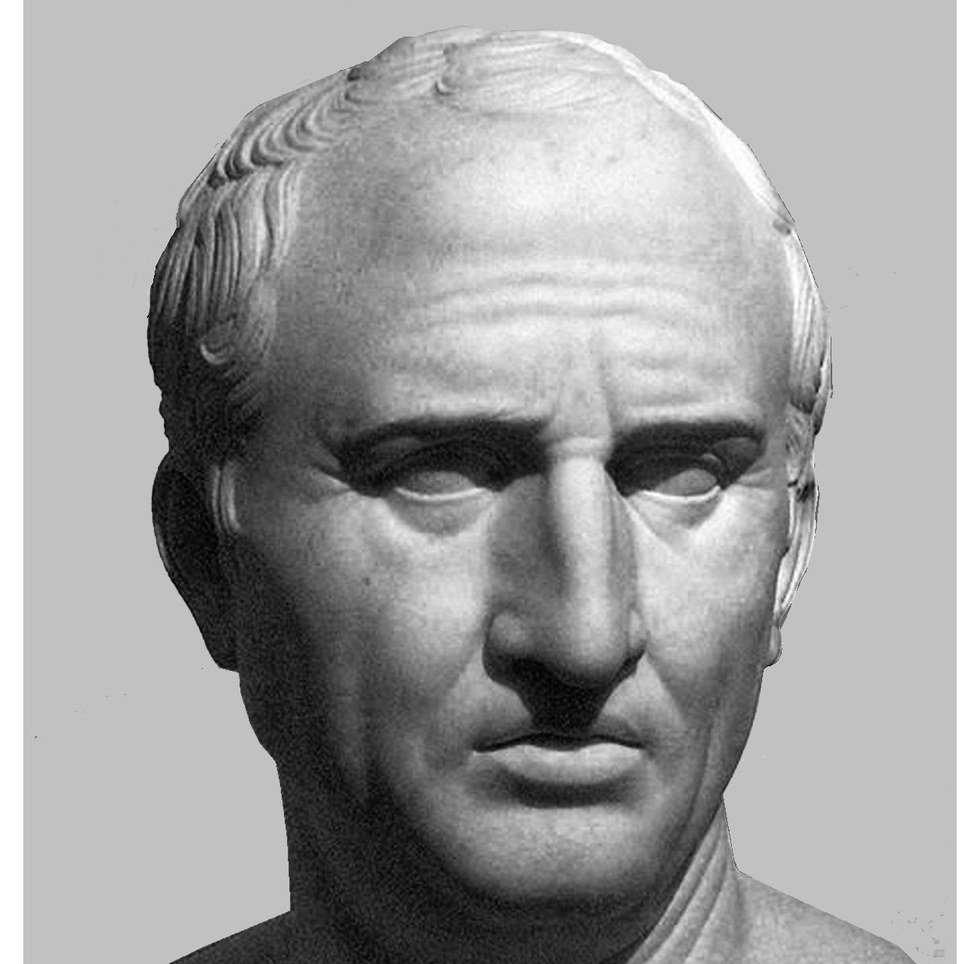
One can justly speculate, given the words of Cicero, that the constitution which he favored and the Roman are one in the same. Therefore, for the purpose of this article, the writer will do just that, point out the key similarity and difference in the constitutions of the Ancient Romans and the current United States. This short article will examine the system of checks and balances within both constitutions to express the similarities and argue that the position of Consul is the most fundamental difference between the two.
The Monarchy were the magistrates, these positions included consuls, tribunes, and dictators. The powers of the Monarchy included: commanding the military, public order, summoning assemblies, administering popular decrees, as well as addressing the public. The Aristocracy was best represented in the senate. The Senate was composed of the wealthiest citizens and their powers included: Nominating magistrates, passing decrees for the magistrate to execute, civil administration within Rome, foreign policy excluding management of the war, and finally the control of money. The final estate, Democracy, manifested itself as the Legislative Assemblies of Ancient Rome. The powers of the Legislative Assemblies included: Electing magistrates, enacting new laws, hearing capital punishment cases, declaring war and peace, and approving or disapproving of alliances.
Polybius, described the relationship of the three estates in a way which foreshadows the checks and balances of the U.S, “none of the three is absolute, but the purpose of the one can be counterworked and thwarted by the others, none of them will excessively outgrow the others or treat them with contempt” (Michael E.Newton). In this way, the Roman government placed several checks on itself. If a change needed to occur, the people could enact change through the Legislative Assembly, the Senate could enact change through its deliberations, or the consuls could through their own power.
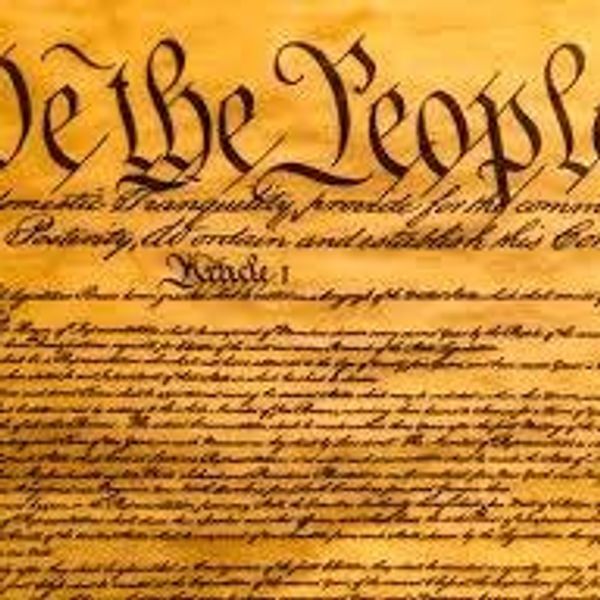
The United States constitution holds three branches instead of "estates". The executive branch is given power over all executive authority, with all executive authority being ultimately vested in the president. The Legislative branch is given all legislative power, with that power ultimately being housed in the congress. Finally, the Judicial powers are given to the judicial branch, with ultimate judicial power being given to the Supreme Court. Each branch if operating within its powers given by the constitution is considered the supreme law of the land, however, each branch must operate with each other in order to work efficiently. The hold checks over each other. The President may nominate a Supreme court Justice, but that justice must be approved by the Senate. The Congress may pass a bill, however, that bill must be approved by the President. The Congress and president may agree upon a bill only to have it ruled unconstitutional. In this way, a system of checks and balances is in place which mirrors that of the ancient Romans.
The Monarchy of Ancient Rome is equivalent to the Executive Branch of the United States. The Consul had many powers similar to that of a president, and much more. Examples are in being commander and chief, and executor of the domestic law, and foreign war. The Aristocracy equates to the Senate, and the Democracy to the House of Representative and held some powers of the judicial branch.
The most outstanding difference in the two constitutions is the position of Consul. “The consuls possessed a power which, though annual in duration, was royal in its legal nature” (Peter J.Steinberger, 455) .The power that Cicero is referring to which is “royal” in its nature are the dual powers of “Imperium Domi” and “Imperium Militae”. Imperium Domi granted the consul the power to enforce absolute obedience to his commands (Michael E. Newton). This domestic power gave the Consul the power to lay down a rebellion, as well as enforce obedience to the laws of the senate or his own decree. The other power previously mentioned, "Imperium Militae” granted the consul unrestricted military control too use whatever force he deemed necessary to conquer lands or ay down rebellion abroad (Michael Newton). The two powers can be simplified to be seen as the consul being given whatever authority they dreamed of both domestically and abroad. This is a feature which we would never see in the U.S Constitution because of its potential to corrupt the other two branches of government.
In Ancient Rome, there were usually two Consuls, one would take care of business domestically while the other sought to conquer foreign lands. Although the term was originally only intended to last one year, many abused the power of consul once given it and continued to hold power and influence after their one year had expired. The most notable person to have done so may be Julius Caesar, who once elected to consul proceeded to hold the position for 10 years before creating a new position higher for himself to hold (Barbara F. McManus).
The fundamental distinction in the two constitutions is that Caesar was given the power to do so through the constitution of Rome. In the mixing of the three kinds of government, the Romans created an actual king, whereas the closest the United States comes to this in its constitution is the office of president.