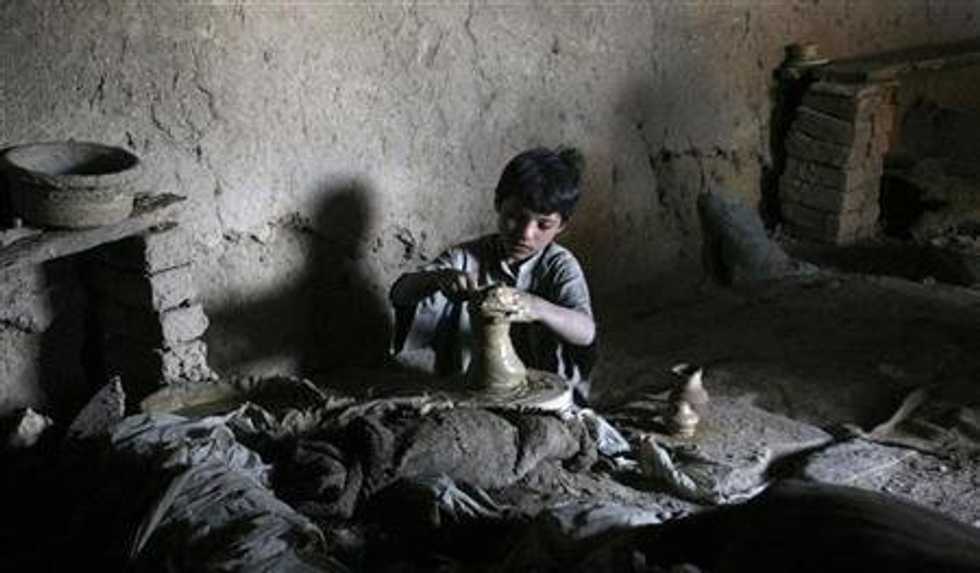
A developing country like Pakistan has many socio-economic problems, but one of the most alarming is the practice of child labor on a massive scale. Pakistan is one of the many countries where child labor is still incredibly prevalent. Children are deprived of their basic right to education and are often forced to work in deplorable conditions by their parents due to extreme poverty. Other countries where there have been extreme cases of child labor are Afghanistan, Myanmar, Zimbabwe, Sudan, Yemen, and Nigeria.
Mostly, children engage in primary sector activities or work for the informal sector of the economy. More than 11 million children are deprived of their childhood and are instead forced to work in the factories and farms of Pakistan. The agricultural sector has the highest number of children as workers in Pakistan. In most cases, feudal lords practice bonded labor, and children are often sexually exploited and ill-treated.
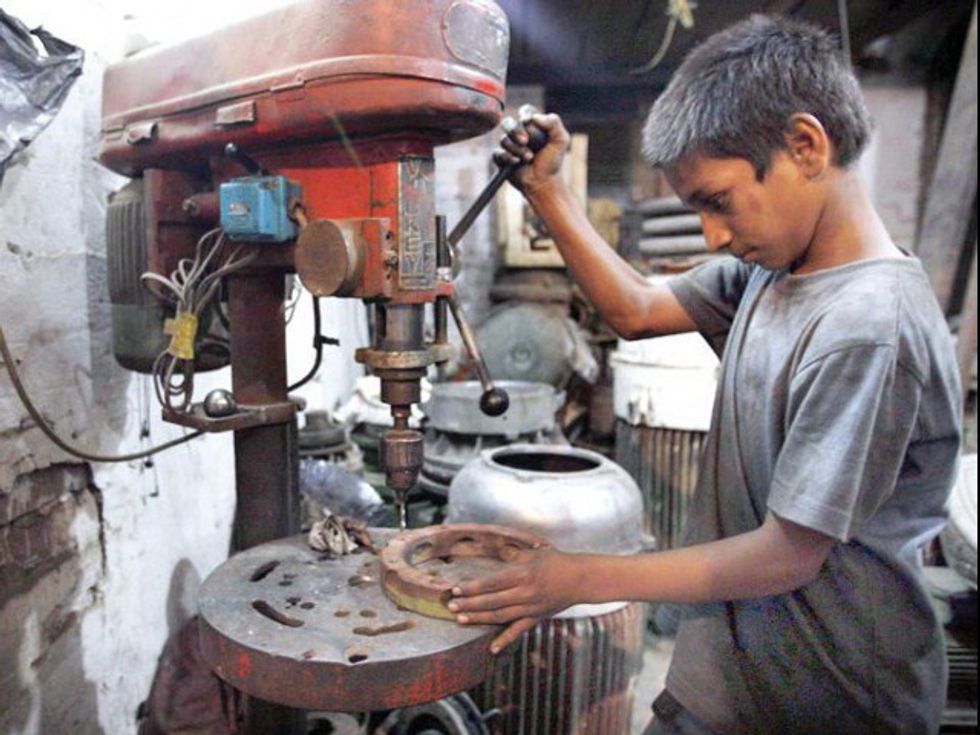
Although laws for protection against child labor exist, they are poorly enforced in developing countries. This trend isn't limited to low-income countries, but countries like China and Russia have surprisingly extreme cases of child labor. Thus, this problem is a global issue.
According to the Clause 1 of Article 26 of the Declaration of Human Rights, “Everyone has the right to education. Education shall be free, at least in the Elementary education shall be compulsory. Technical and Professional education shall be made generally available and higher education shall be equally accessible to all on the basis of merit.” However, little effort is made by governments to ensure that children have access to education and other basic human rights.
When it comes to child labor, the most susceptible individuals are minorities, come from lower social classes, and live in rural areas. In lower-income countries, people belonging to these groups are excluded from and discriminated against by society. Thus, they are more prone to practice child labor to make ends meet. Also, in rural areas there is no access to health care facilities, education or proper sanitation, thus parents are often willing to send off their young children to places far away from home for work purposes.
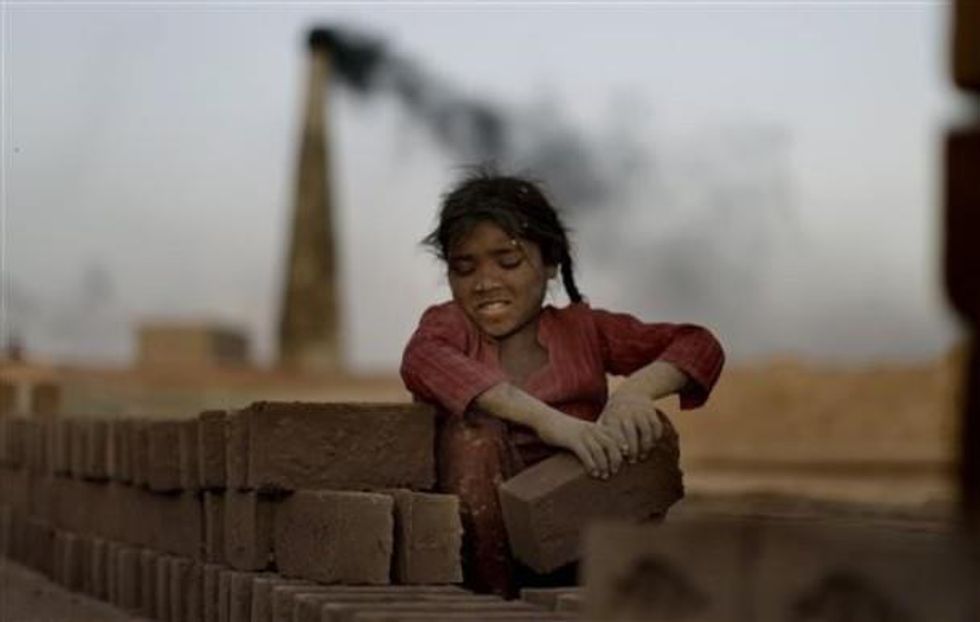
Child labor harms children mentally, physically, socially, and emotionally, potentially having a long-lasting impact on the stability of the child. Despite many laws being passed to eradicate child labor, it still remains one of the major problems afflicting Pakistan. However, there are many institutions and NGOs working on generating awareness about the issue of child labor and bonded labor. The International Labor Organization claims that “the global number of children in child labor has declined by one third since 2000, from 246 million to 168 million children.” Here is an eye opening piece about the practice of child labor in Pakistan.
One of main reasons child labor is so prevalent is the extreme poverty rampant in third-world countries. Thus, in order to eradicate child labor, the government of Pakistan needs eliminate extreme poverty. If the minimum wage is increased, people belonging to small households can earn more, and thus their need to send their children to work will decrease. Also, if free education is provided by the state and it is ensured that all children get education, it can definitely help in reducing the number of children in the workforce. The government can also set a minimum age at which children can be employed legally and can take steps to ensure that the law is being implemented throughout the country.
Only when a country focuses on children and their education can it successfully pave its way towards real development.