Chavismo, the political following of Hugo Chavez, may be dying in Venezuela. Before Chavez passed away in 2013, he left the country in the hands of Nicolas Maduro. Since then, Chavez’s cult-like following has suffered. After elections last year saw Maduro lose control of the National Assembly, Chavismo seems to be on its last leg. Peter Wilson’s article published in Foreign Affairs, "Chavismo In Pieces: Why Maduro Lost and What Will Come Next," highlights Maduro’s struggle to continue Chavez’s bold social movement.
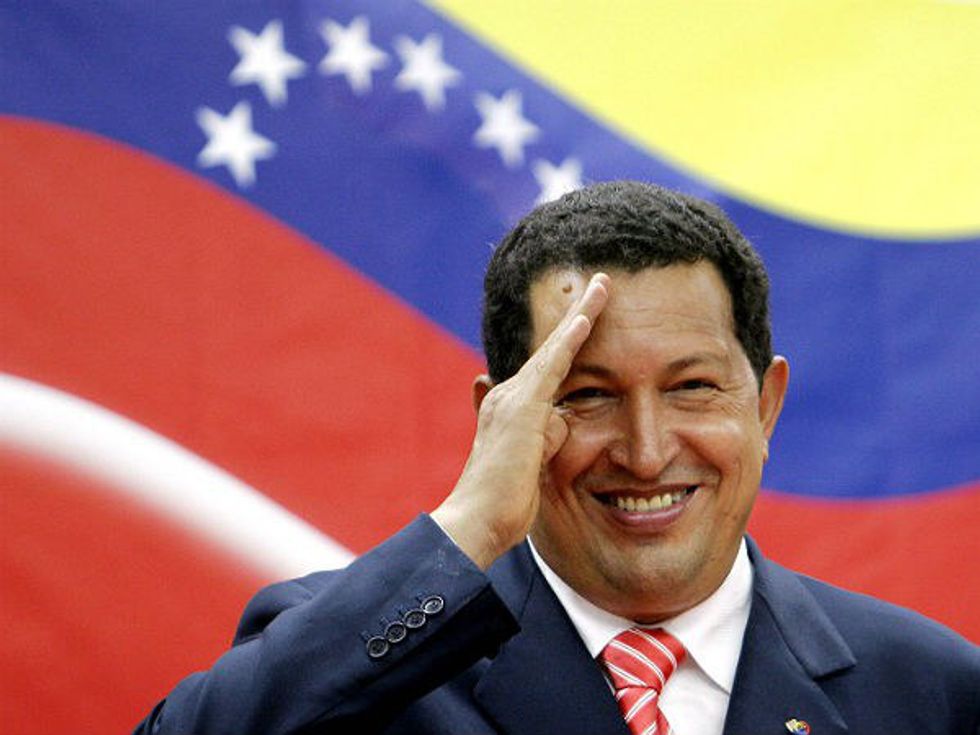
It is a widespread feeling in Venezuela that Nicolas Maduro will not complete his first term in office, which ends in 2019. In December, Maduro’s opposition, the Democratic Unity Party (MUD), won a majority of assembly seats. These changes are coming at a time where Venezuela’s economy is struggling. Chavez implemented various social reforms to aid his biggest supporters: the poor. In recent years, however, the country as a whole has felt the negative effects of government overspending. In an economy that relies on oil for 95 percent of its hard currency, the recent oil recession has had dramatic effects on all parties involved. Venezuela imports a considerable majority of consumer goods, and with the economy faltering, many don’t have access to basic goods. Maduro has made the problem worse by cutting imports in an effort to settle his foreign debts. Like many politicians before him, Maduro asks for more time in office to better Venezuela’s economic situation. With the economy shrinking every year and inflation soaring at rapid rates, it appears that Maduro might not have much time left to work. While he has said that he will continue Chavez’s legacy, that might not be possible at this point. Maduro has slowly lost the support of the poor, and some voters chose to abstain from participating in these elections.
Farmers like Guillermo Blanco chose to stay home this year. While he says he doesn’t support the opposition, he acknowledged that “Maduro is no Chavez.” Reiterating once again how disastrous Venezuela’s economy has become, Blanco talked about how he has to wait hours to buy basic goods, and some aren’t even available anymore. Maduro has also struggled to maintain his popularity among government-friendly businessmen. His approval rating has dropped to roughly 25 percent, and the newly elected National Assembly could begin a referendum sometime in the near future.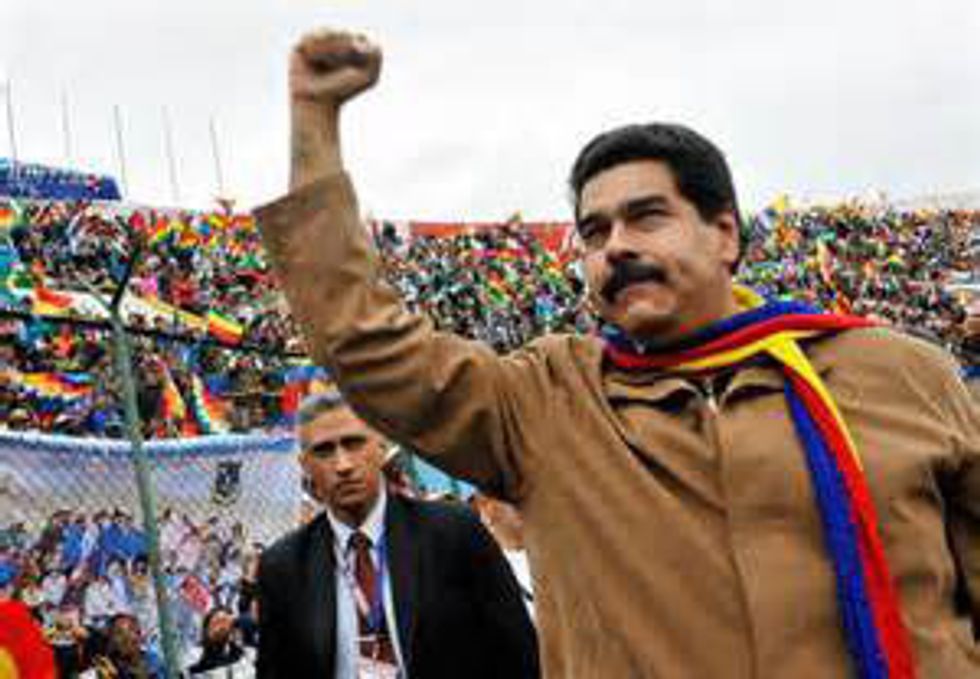
The men who have profited off of Chavez and Maduro’s dealings are beginning to see President Maduro as a liability. Of course, these relationships are not the most legally wholesome, and these men are beginning to feel the pressure of political change in Venezuela. Military elites and the wealthy businessmen that have forged strong relations with the government in the past see few adequate alternatives to Maduro. Nonetheless, it is believed among some, including political consultant Tarek Yorde that Maduro will not be Venezuela’s president by 2019.