


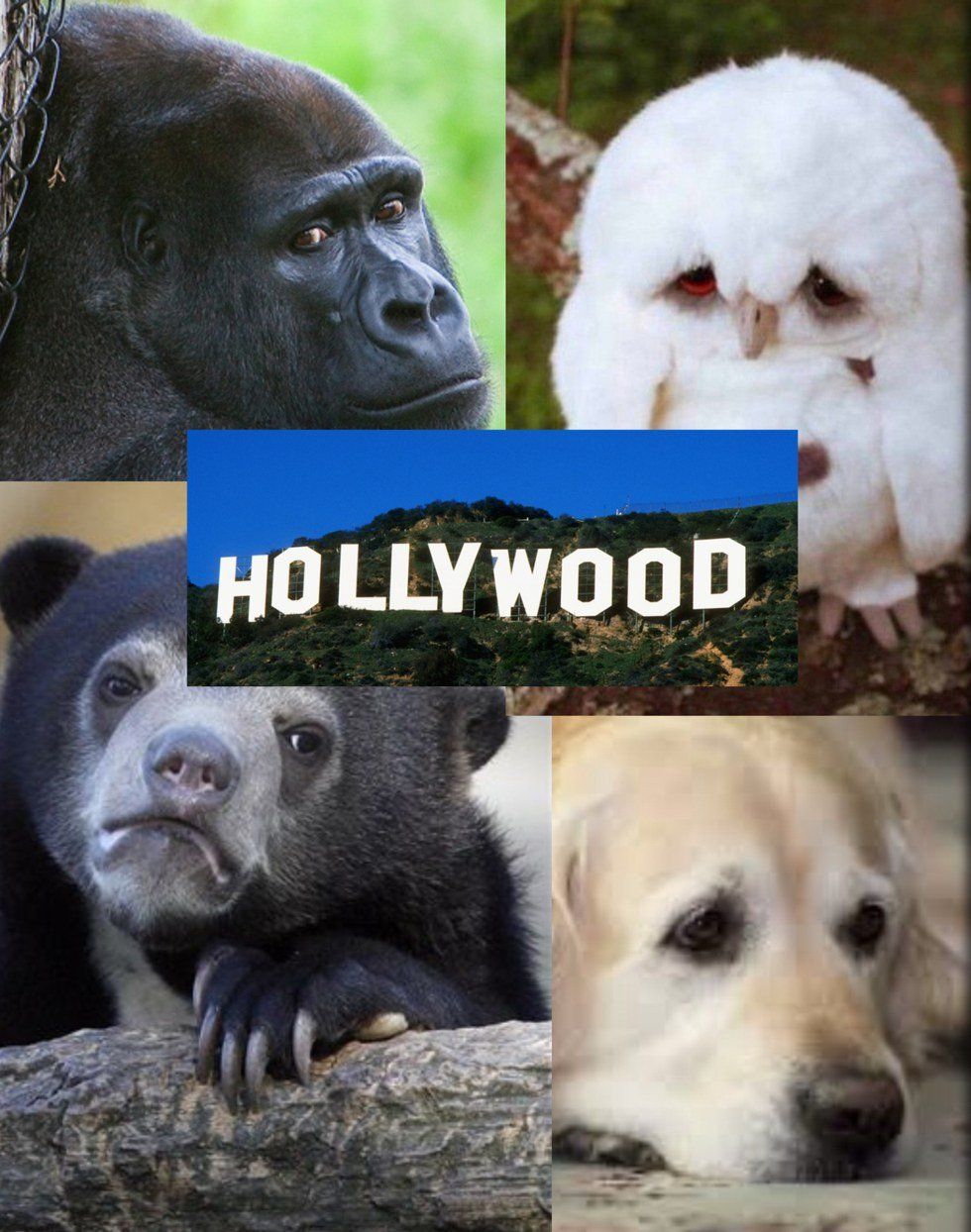
Animals, in a word: animalistic.
In more words: cute, cuddly, and will rip your face off if you try to check them for prostate cancer.
In addition to being living things, animals are also excellent performers in the film industry. Whether it be the dead bird in Dumb and Dumber or the fly Mr. Miyagi kills in The Karate Kid, animals have always been iconic and unforgettable in cinema history.
Unfortunately, however, they have recently fallen victim to the advancements of technology in the film industry. The technology that I vaguely refer to for dramatic effect is CGI (Computer Generated Imaging).
In the most recent example of this, 2016’s The Jungle Book, there are animals seen on-screen throughout the entirety of the movie.
However, every single one was CGI rather than a real animal. The same can be said of other recent projects to hit the big screen like Sharknado 1, Sharknado 2, Piranha 3DD, and Sharknado 3. All of them are cinematic masterpieces, and all of them exclusively use CGI animals. Consequently, the question must be asked: What has happened to the animal actors in Hollywood? Why are they no longer getting the big roles?
To answer this question, I flew down to California and met with Koko the Gorilla to discuss this troubling issue.“If I may be frank, Nick, this issue is one of systemic discrimination,” she signed. “You see, there is a widespread prejudice in the film industry right now that real animals are hard to work with and aren’t well trained. This is, of course, ridiculous. I mean look at me, I’m a gorilla that can use sign language. If that isn’t the tightest shit you’ve ever seen, get out my face.”After agreeing with her that it was, indeed, the tightest shit I’ve ever seen, Koko went on to sign that the shift began back in 2005 when King Kong came out. According to her, once Hollywood saw the versatility that CGI animals could offer, they started to think that using real animals was not worth the trouble.
The shift became even more prominent after a penguin on the set of The March of the Penguins refused to come out of his trailer for five days and face the arctic cold. This fiasco only worsened the stigma that had begun to surround real animal actors, whilst also increasing the allure of CGI animals. Yet Koko insists that even though animal actors can be high maintenance, their value to a movie cannot be overstated.
“I mean, just think about the classics. For example, in Old Yeller during the scene where the boy shoots his dog, would that have been as heart-wrenching if he was aiming at Andy Serkis in a green, skin-tight leotard? No! It is categorically, alphabetically, chronologically, and philosophically complete bullshit,” she signed furiously.
This sheer and utter outrage isn't just felt by Koko. Several others that I contacted expressed similar sentiments about the issue. Though Buddy (the legendary canine actor who starred in the Air Bud franchise) has long been deceased, his son commented on his father’s behalf via a dog whisperer.
“It’s a complete farce. My dad would roll over in his hole if he knew the direction the film industry was headed in.”
Keiko, the star of the 1993 movie Free Willy also shared his opinion on the matter:
“Gaaahhhh blllllllleeeeeuuuuuhh sssshhhheeeellllllsssnn Boooooorrslllll Beeeeeeeeee.”
Powerful stuff.
Unfortunately, this trend is showing no signs of stopping. Several movies slated to come out in the next few years will have CGI animals in the leading roles, not the least of which include The Planet of the Apes franchise and the widely anticipated Fantastic Beasts and Where to Find Them movies, which will strike a disheartening blow to draconian and hippogriffian actors who already have limited roles as it is.
Thus, animals across the world can only hope that this CGI fad will run its course and they will once again take up the roles they have long been denied.

















