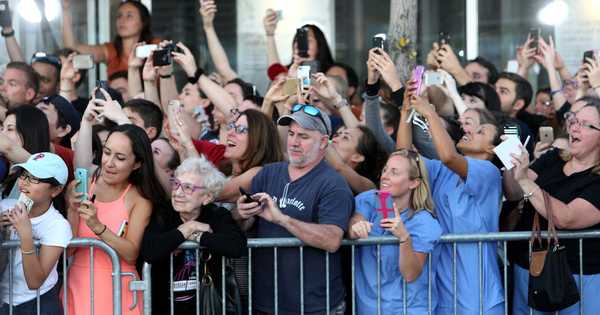
Almost every American owns a mobile telephone, commonly known as a cell phone. And if you are reading this on your cell phone, that probably means you own a smartphone of some sort, which has become the dominant variety in the cell phone industry. From iPhones to Androids, smartphones have developed into the mini computers in our pockets that we know and love today. It is truly remarkable how technologically advanced cell phones have become. It wasn't even until the twenty-first century until we had small cell phones that even slightly resemble what we carry around today, and those were dinosaurs compared to the latter. The exciting perks of select cell phones in the early generation were cameras and the ability to send text messages, and those are just standard and expected now. In less than two decades, we have come to expect a device that can stream live video, search for anything on the internet, store thousands of songs, manage our money and much, much more.
It is clear that there are many great benefits to owning a smartphone that has the capability to do all of these things, and we can provide that tool to the majority of Americans. But despite all the great features they have that can improve certain areas of our lives, there are some negative aspects to being in a society surrounded by smartphones. Some are more subtle than others, but little attention is given to them for the average user.
The availability of a mobile telephone was meant to increase availability to social interaction with other people, in that we would now be able to talk back and forth with someone from miles away. And while you can still do that with the cell phones of today, it takes a backseat to the features that detract from the social interactions they were originally meant to benefit.
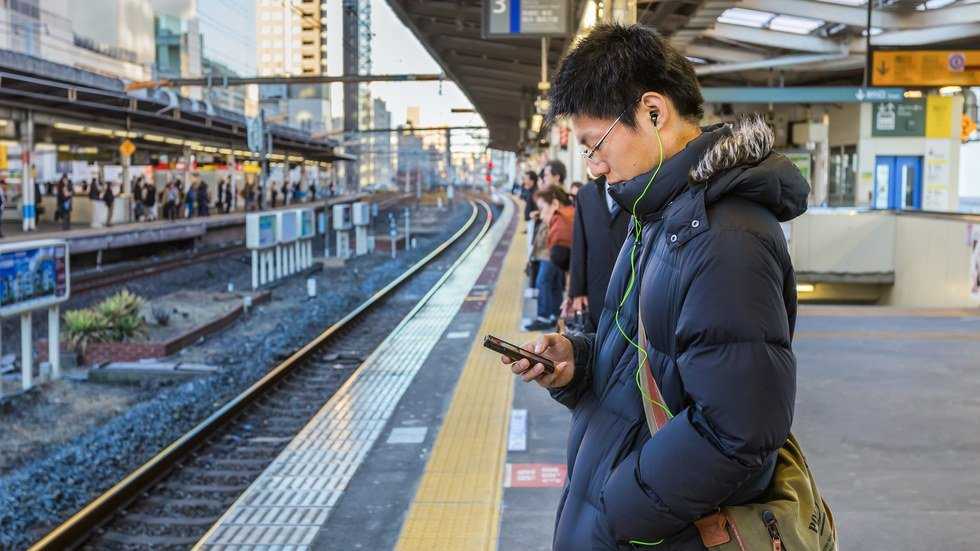
Our smartphones are not only mini computers inside of our pockets, but they are also a world we can choose to get lost in when we want to leave the physical one. Think about it: the last time you were in a setting with strictly strangers, like a public bus or waiting in line at the grocery store, how often do people interact with one another? If you look around, most people are more comfortable burying their noses in their phones rather than striking up a conversation with another human. There are social butterflies and it seems older generations are less prone to this shift, but the majority of young people these days seem to be falling into the social trap that smartphones give us.
It is really great that we are able to obtain virtually any piece of information within seconds by just swiping left, right, up or down. But at what cost? I'm not saying this is going to have any drastic impacts on our society regarding anything we deem important like the economy, our intelligence, or future technological advances. However, it is changing us as social beings. People are more comfortable sending a text than meeting in person. People are less likely to smile and say hi to a stranger than to briskly walk past staring at a screen. And people are talking less with their families and the ones they love just because they need to reload their Facebook or Instagram pages.
Something is changing within us as a society as a result of smartphones, and I will let you decide if its good or bad.