Last week, the National Park Service turned 100 years old. While Yellowstone, the first national park, was first created in 1872 by President Ulysses S. Grant, it was President Woodrow Wilson who created the federal agency under the Department of the Interior. The original intent of the parks was to protect specific areas of land, however, during the 1960s the mentality changed more towards allowing the public to enjoy the parks. Today there are 59 national parks all over the United States, and according to the National Parks Service website in 2015 alone, that national parks had 307,247,252 visitors.
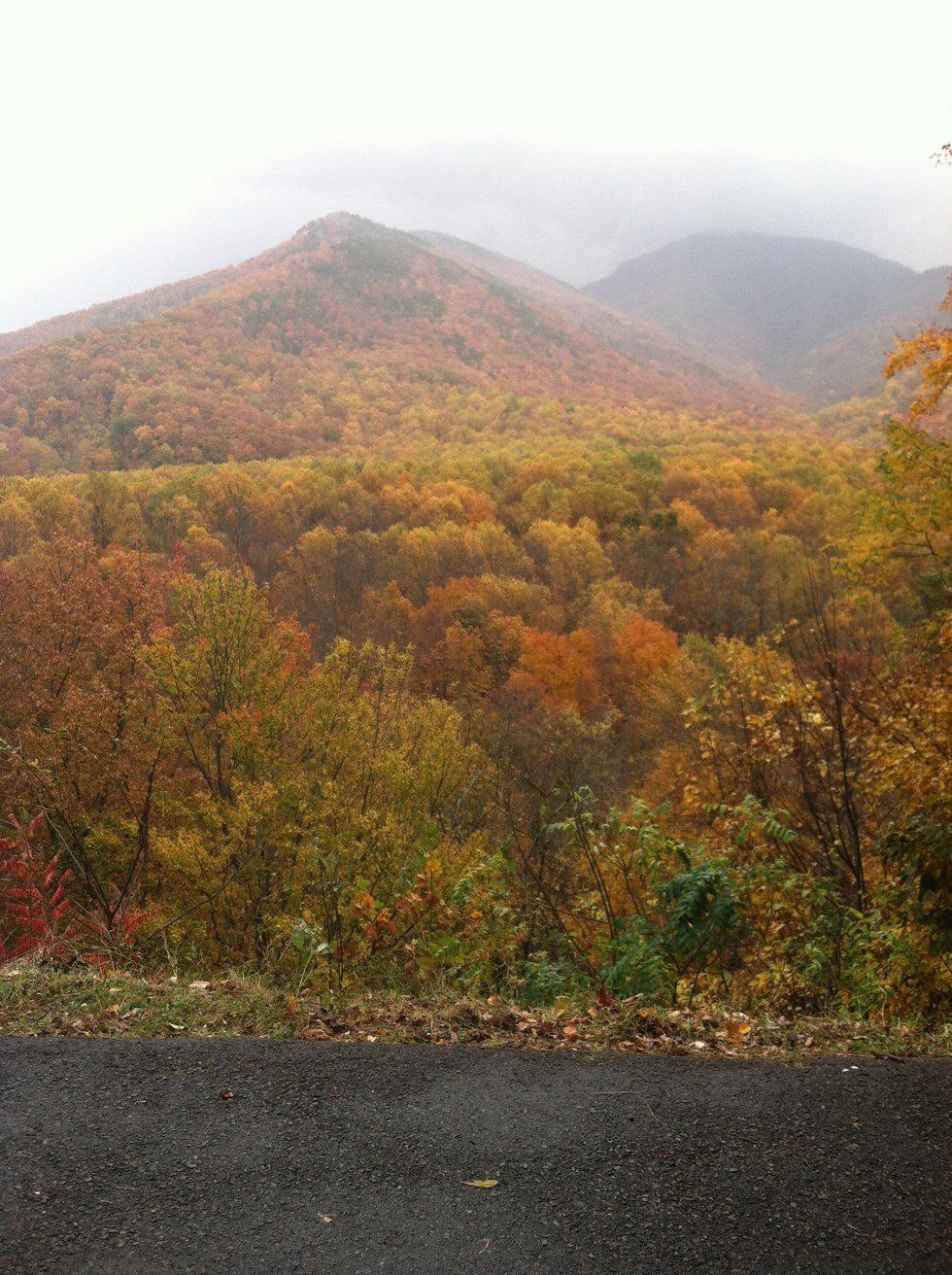
I grew up in East Tennessee; my house was approximately 20 minutes away from the Great Smoky Mountains National Park, which in 2015 was the most visited national park in the country with over 10 million visitors. When I was a kid, though, I didn’t know any of those facts, but I still loved going to the mountains. In the summers, my cousins and I would go to a campsite called Elkmont to play in the creek and paint our faces with wet rocks. In elementary and middle school, we would take overnight field trips to Cades Cove and Treemont to tour the old cabins and learn about the history of the Native Americans and settlers who lived in the area. When I got into high school, my friends and I would go hiking on one of the many trails throughout the park on the weekends. Although I had gone to the park all my life, I had never really considered how it had affected me until I moved away for college.
Living so close to a national park, has had quite a profound impact on how I live my life. The climate while living in the mountains is liable to change at any minute so I learned how to plan for any type of weather. There are so many different outdoor activities that I mostly just took for granted that I would always be able to do (such as hiking) that I can’t do while living in a city. Living by a national park you even buy more from active wear brands such as Chaco and North Face because you know they make good quality products. I had never really thought of how much impact the national park had on me until I met people who hadn’t grown up there.
But the park has benefitted more than just me, it has helped my community. When the government shut down in 2013, the national parks shut down as well. Even though the Great Smoky Mountains are free to get into, the surrounding area still took an economic hit. The national park brought tourism to the county, and many people made their livelihood off of restaurants, outdoors shops, and hotels aimed at the visitors. In response, my community came together and raised enough money to open the park back up until the government began to run again. I felt that really exemplified all the best aspects of national parks. The way the help the economy, environment, and create a sense of identification.
They may not seem as glamorous as a vacation to a big city like New York or Los Angeles, but I believe that they can be just as enjoyable. The national parks across the country provide economic opportunities, save significant areas of land, and allow people from all around the world to explore some of the most beautiful places. The National Park Service has given this for the past 100 years and hopefully will continue to thrive for many years to come.