
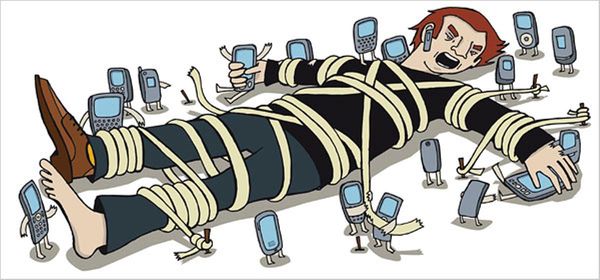
Childhood. It used to be a time where kids let their imaginations run wild. Tree houses or swing sets in the backyard turned into castles and distance galaxies. Books were children’s gateway to other worlds, and adventures; adventures, if modern day continues where it is going, future kids might not take. Only a few years ago, kids got cell phones when they were in late middle school or early high school to help their parents or other family members know when to pick them up after practices or club meetings after school. Now with a trip to the local grocery store, it won’t be uncommon to see kids as young as five with iPads or cell phones.
Yes, many parents install games on their devices to keep their children entertained when they have errands to run. This is not the situation in many cases. Many times the devices the kids are playing on are their own. Children even as young as elementary school have their own iPhones, with the knowledge and access to text, calls and games. Only one generation before today’s crop of kids read books or played with their friends in the playground when they were bored, learning how to interact with other people face to face.
Now, though, with kids being introduced to technology younger and younger, that know-how to interact with someone is slowly diminishing the earlier a child gets their own iPad or iPhone. Having one of these devices is not a bad thing; many schools use them and laptops to help teach their students and there are educational games and other similar things that can help children with their cognitive functions. However, texting at six does not help kids in any way and neither does letting small children have unlimited access to the internet.
Positive advances in technology like medical advantages, DNA processing and other leaps have been accompanied by other not so good technology leaps. There are literally hundreds of cases where young kids and even teens whose internet access is not supervised have been lured into meeting predators in person, thinking they are kids their own age, and there are hardly any cases that turn out with a happy ending. Before technology became such a large part of kids' lives, most kidnapping cases happened because a man lured kids into their cars with candy or music, not through online chats. The fact remains the same; kids, no matter what the technology is like, are not mature enough or have the street smarts to spot the dangers online.
In short, technology and society today are both not what they once were. Where kids once read and played with their pets or imaginations in the backyard, now they spend most of the day in their rooms. Books have lost the magical quality they once had with kids and young adults, leading us to the next question. Exactly how close are we before books and imagination no longer mean anything to future generations, if they will mean anything at all? If they become worthless what kind of world will our society become?