Everyone yearns to have a sense of security at all times, no matter where they are. Since the early 1800s, we have left the task of safekeeping to law enforcement.
But in recent years, police actions, particularly police brutality, have come into assessment of a wide, public and critical eye, which has questioned the current task forces’ ability to maintain the safekeeping.
It is seen far too often in the media: a police officer that fired his weapon or used excessive force during an arrest and killed a man or woman. This scenario usually comes with a great deal of controversy; the same questions are usually asked. Was the police officer’s life in danger? Was the victim armed or proposed a threat to the officer? Could his death or injuries have been prevented? Because it is preventable, police brutality is an issue that should not be tormenting our nation.
It should also be noted that the majority of the victims of police brutality are often minorities groups: Hispanics and African Americans. While, of course, police brutality can and does affect every race, the fact that it is most common amongst blacks and Latinos cannot go unseen.
The fact that police brutality has taken the lives of so many people throughout the years is tragic, but it is even more tragic that police brutality is 100 percent preventable. To violate the power you hold is a choice that these officers make. Should they choose to make the ethical and morally-correct decision, police brutality would not be a problem. Since it is impossible to change the way these officers think, we must find a solution to this very tormenting problem.
The first potential solution that has been previously proposed and is actually now being utilized in attempt to put a halt to police brutality is the idea of making police officers wear body cameras. With the usage of body cameras, police officers are proverbially put under a microscope and every action that an officer commits will never go unseen. However, it seems as if police officers do not care if they are being recorded or not; it is the least of their worries because it is their own word against a video. In other words, making police officers wear body cameras is a poor solution to police brutality because it cannot prove anything. Take the case of Eric Gardner for example; he was choked to death by a police officer for trying to break up a fight. His death was caught on camera. He did not show any threat to police and was unarmed. However, the officer who took his life was not indicted by the New York grand jury. Police brutality has been captured on camera but cameras do not seem to intimidate officers; body cameras will do nothing to help stop this issue.
With controversy surrounding the fact that citizens of the U.S. do not know if they can trust law enforcement, it has been proposed that we get rid of law enforcement entirely and let people regulate themselves; this is another potential solution. By letting citizens police themselves there will no longer be trust issues between the people and the police. While this will rid off the corrupt, immoral police officers that patrol our streets, it will not get rid of the immoral, ill-minded people that will continue to be.
However, should we let people police themselves we will be risking the chance of insane people being in charge of safekeeping. Within those people there can be murders, rapists, and schizophrenics. There are more bizarre people in the world’s population than there are in the police force. People will also begin taking advantage of the fact that they are in charge and, in turn, it will allow them to commit unlawful wrongdoing without properly being held accountable. Letting people police themselves is an inappropriate solution to police brutality; it will only cause more violence and possible anarchy. This prospective solution is a far-fetched notion.
Another possible solution to police brutality lies in the assessments that police officers must take before their department employs them. With more adherences to a potential officer’s physical as well as mental health prior and during this or her employment, potential warning signs that they might find themselves committing brutality will be detectable. If police exams were stricter from the physical standpoint, officers would not be so quick to pull out their gun and shoot when they are in pursuit of a suspect. A police officer is told to only fire his weapon when his or her life is in danger but when a criminal is running from the police, they fire anyways because there is no way of catching up to them. Also, in many cases officers are involved in a physical altercation with a criminal and though they are in a predicament, their lives are still not in danger but they choose to fire regardless.
No more hiring of 5-foot, 150-pound officers, or the thorough opposite. It is disappointing how the stereotypical portrayal of a police officer is an overweight donut-lover. Officer’s physical exams should be more strict and difficult; this job is not for everyone.
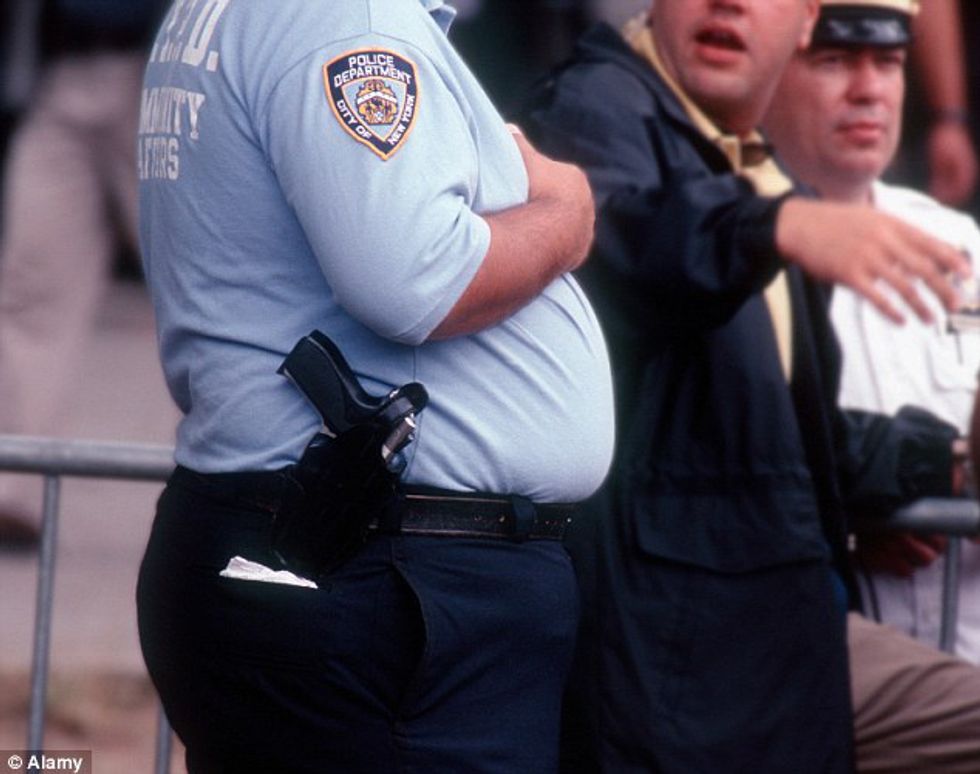
Making physical exams for aspiring officers may be a solution many people disagree with. Some may dispute that if this were the case, no one would be able to be a police officer; many physically gifted men or women do not want to become a policeman or woman. However, these physical tests do not have to be impossible. They will not be set-up for world-class athletes, but they should be courses that not everyone will be able to complete. There are too many drastically overweight as well as old police officers that are barely able to sprint, let alone apprehend a criminal by themselves. Which, in turn, forces them to fire or hurt the suspect they are after. If they are not cut out for the job then by all means they should not be in that field of work any longer, for the sake of our nation’s well-being. More physically skilled officers patrolling the streets will decrease injuries to suspects (they are not all criminals), and overall diminish the brutal force that not-so-physically fit officers resort to.
Police brutality will continue to be a nation-wide problem, and preventable deaths will continue to transpire if nothing is done in attempts to ease this matter. Significant and extensive steps must be put forth if we have any hope of ceasing police brutality.