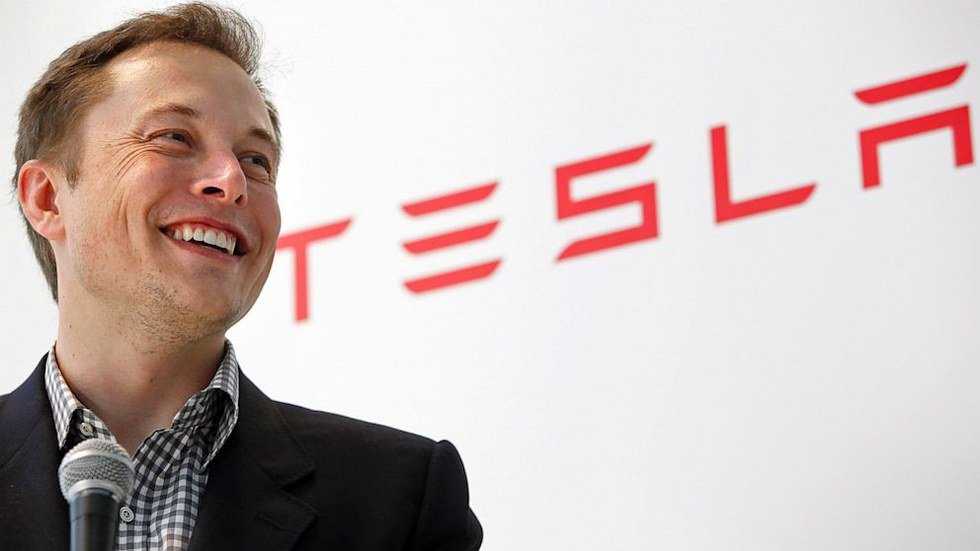
Elon Musk is, by all accounts, an exceptionally intelligent and foresighted man. His obsessive work ethic and unnaturally robust focus have positioned him as one of the most influential men in the world. He is the founder and CEO of Space Exploration Technologies, Corp., and of most significance with regards to article, Tesla Motors. He is the real-life Iron Man.
His brainchild, Tesla Motors, is not the first company to produce electrically powered vehicles. The Toyota Prius is probably the most famous of our more environmentally friendly four-wheeled friends. Nissan had its own take on electrical power with the Leaf; Cadillac has the ELR; even Porsche, Ferrari, and McLaren produced hybrids and sold them at around $900,000 apiece.
However, Tesla Motors is the first car company ever to exclusively produce plug-in electrically powered vehicles. The very idea of creating a company such as Tesla and earning considerable profits from said enterprise is something that his lawyers and advisors must have fervently opposed. But, Tesla Motors is currently flourishing, and that may be due in part to the allure that surrounded the Tesla Model S and her creator, Musk himself.
Another part of Tesla’s surprising success may arise from the increasing national consciousness of the climate change that is upon us. With stronger storms, warmer winters, and more erratic weather patterns than most have seen within their lifetimes, the reality of climate change and its effects are becoming harder to ignore. Scientist James E. Hansen is at the helm of a sector of climate scientists that are forwarding the idea of an oceanic current shutdown being possible within our lifetimes. Such a change would cause even more rapid climate change and disastrous outcomes.
Musk seems to know that in order for society to progress, climate change needs to be combatted and stabilized. Humankind’s survival demands sustainability. He is a man who was radical enough to risk his entire financial well-being in order to do what he thought was necessary to halt the rapid acceleration of climate change that is taking place. Tesla seems to have arisen at just the right time to appeal to the upper-middle class’s newfound environmental sensibilities. But, are electric cars enough?
It is my belief that electric cars are not enough to halt the rapid climate change that is set to wreak havoc on the world as we know it.
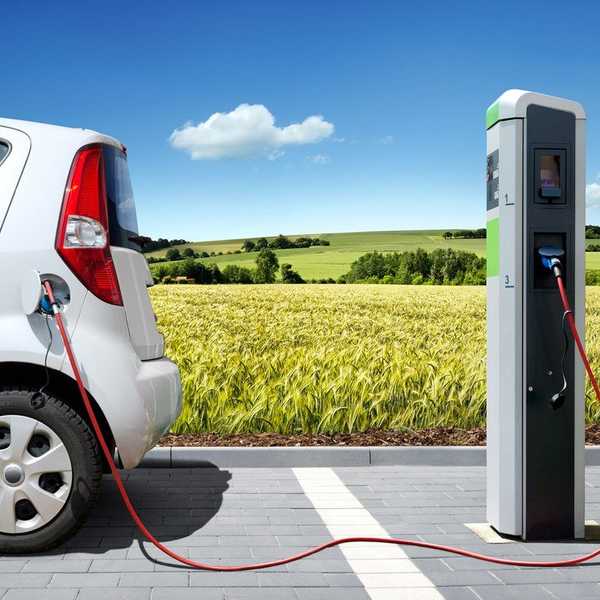
Simply producing more plug-in electric cars and hybrid vehicles is not enough. Greenhouse gas emissions have an upward trend because of factors that are already in play: simply adding more plug-in cars to the equation does not rectify the situation (sorry Mr. Musk). It may be that the cars that are being discarded in order to make room in the garages of those who purchase Teslas are simply being recycled into the hands of other drivers who then continue the cycle of greenhouse gas emission with those same vehicles. A large portion of the greenhouse gas emission reduction that could occur because of plug-in vehicles is dependent on the means by which the electricity used to charge them is obtained and how often they are charged. Increasing efficient public transportation is probably the most viable means by which emissions could be reduced, especially with the newfound desire to live in urban areas that seems to be characterizing some American cities. However, this change is truly dependent on the continued urbanization of the American population, the abandonment of the “white picket fence” mentality, and in some cities, a change in racial and economic tendencies.
While companies like Elon Musks’s Tesla Motors are truly answering the call to duty, there is much more to be considered when weighing the true effectiveness of their efforts.