
I think that all little girls had a fantasy-driven idea growing up that once they get to a certain age, they would magically become everything they wanted to be; beautiful, popular, thin, happy and successful.
Among many role models I had for this strange dream was Barbie. I always admired her because I thought I one day would be her. I thought that when I turned 16 (that was the magic age for me; why else would it be called “sweet” 16?) that my hair would be no longer be curly and brown but long, shiny and blonde. My waist would shrink, my bust would grow, my freckles would disappear and I would be poised.
For this reason, I never detested Barbie or wanted to cut off her hair or decapitate her (I know you’ve all done it), because I thought that I would rightfully look like her someday.
It is no question that young girls’ image of beauty is distorted. I have heard 9 year-olds saying that they are fat, middle schoolers calling each other ugly and 12 year-olds wearing push-up bras and high heels.
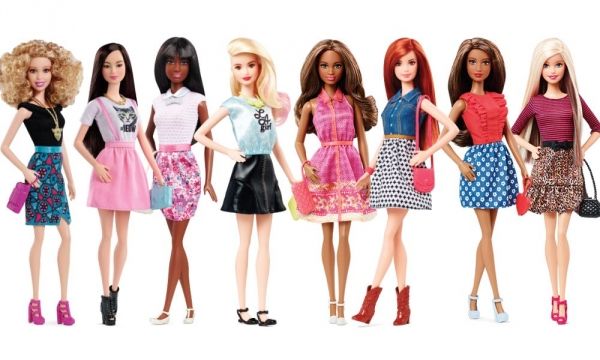
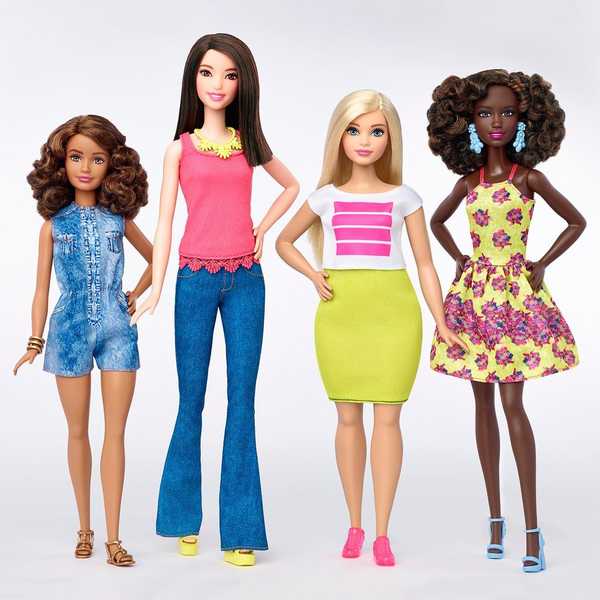
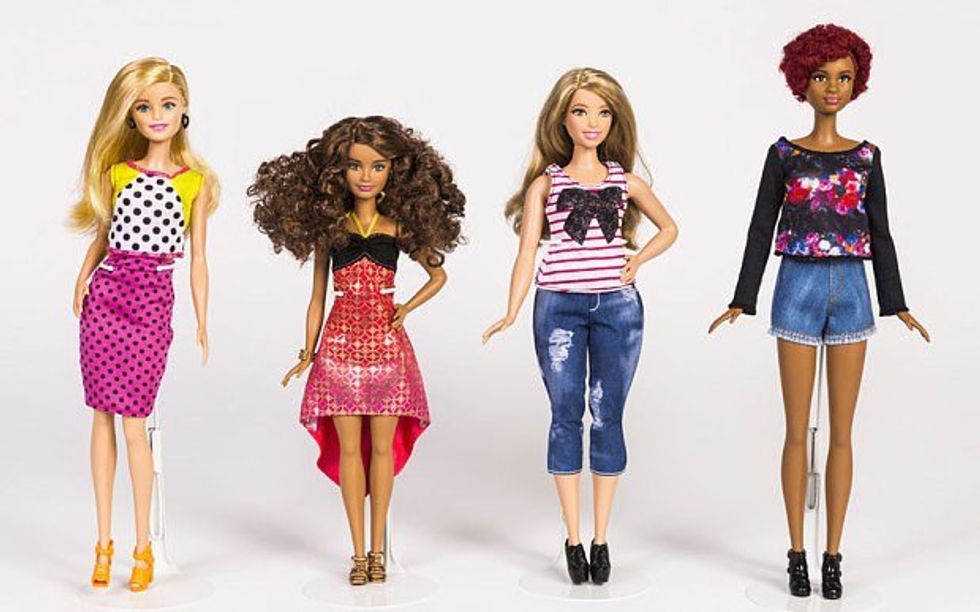
Barbie’s release of three new Barbie body types—tall, petite and curvy—is directly addressing this issue, and, in my opinion, is a step in the right direction. This move was a follow-up after the makeover Barbie received last year when Mattel released Barbie's in a slew of different skin colors, eye colors and with different facial structures.
Of course, these new Barbies are all that anyone seems to be talking out. Some praise the additions, but many more are critical.
Debates have arisen over whether or not dolls are role models for young girls, and videos have been posted of little girls playing with the curvy Barbie and snickering at the “fat” doll. Twitter feedback has exploded with posts like actress Kirstie Alley’s saying “I'm glad I was raised in the 50's when a doll was an object, not a role model, and boys could call me a cootie without going to the principal.”
In my opinion, negativity towards the new Barbie is more of a result of societal problems than Mattel as a company. Although acceptance of “real” women was certainly part of the company’s objective, the addition was more of a move to boost Barbie sales, which have been steadily declining in recent years in favor of electronic toys.
However, Mattel made a legitimate effort to promote a real and diverse body image for young girls, and for that they deserve praise. Consumers’ outrage at the new product directly reflects society’s inability to let any issue left undebated, as well as the stark level of political and societal correctness expected of everyone today.
Whether or not Barbie is/should be a role model for children, the company is promoting acceptance, which is more than we can say for a lot of companies today.
Mattel is being criticized for their diverse dolls, yet Abercrombie & Fitch still does not carry women’s sizes larger than a 10, but no one is talking about that.
Let’s keep things in perspective, people. Barbie’s new dolls are not a statement about childhood role models but rather a company’s decision to diversify their product—it happens all the time in other companies.
If the only lollipop flavor that existed was cherry and the only style of jeans was boot cut, I’m sure no one would mind a company throwing some new options into the mix.
So please, let’s all take a step back and take a look at society’s problems before we criticize Mattel’s.

















