

There are a lot of reasons to go camping, and there are a lot of different ways to go camping. Some people go camping to enjoy nature, and some go camping as an escape from the day-to-day work grind; there are a million and one reasons to get out there. Regardless of your reasons, if you don't know what you're doing you can have a very bad time, and it could even become a dangerous situation. I have a little more than 10 years of camping experience, and in that time I have seen and I have made many mistakes. I hope to share with you some of the know-how I've accumulated over the years. By no means will this be a substitute for the actual camping experience, but it might help you when you get out there. I will be focusing mainly on backpacking, a type of camping where you fill your pack with what you need for the weekend and find a trail, perfect for those who wander and explore. Specifically, I'll be focusing on how you should fill your pack.
Gear
If you walk through the sporting goods section in Walmart you may find yourself overwhelmed with the amount of camping supplies they display. The fact of the matter is that you need probably less than half of it. The first thing you should do is find a backpack that fits you. There are a lot of things to consider when you're choosing a pack. There are two kinds of backpacks: The internal frame is a bit more comfortable and lighter, but it is lacking when it comes to storage space, and the external frame is not as comfortable, but it allows you carry more for longer treks. Next, consider the price, as they can range from 50 to hundreds of dollars. It is possible to buy a cheap quality pack, but keep in mind that you get what you pay for.
Next, you'll need some things to put in your bag. There's a widely used term, "cotton kills," and for good reason. When cotton gets wet it stays wet. Aside from the obvious discomfort of wet clothing, there are other problems with cotton. In cold weather, it makes the wearer susceptible to hypothermia. Even in warm weather wet clothing can lead to a dangerous situation. For example, an individual with constantly wet socks is left vulnerable to trench foot. I never believed this until I witnessed firsthand a young Boy Scout who started exhibiting early symptoms of trench foot. In short, none of your clothing should be made of cotton.
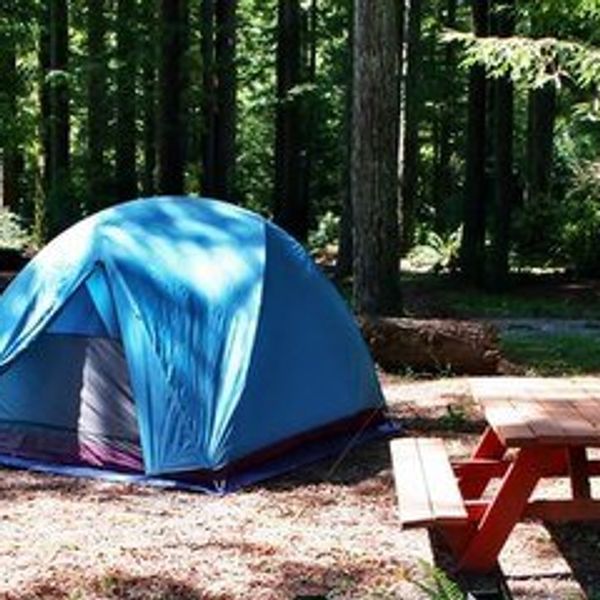
In terms of supplies, you only need a few things: a knife, a mess kit, a fire starter, tent, and a sleeping bag. A knife is probably the most essential tool you can have in the woods. The reason it is so essential is that it is a truly universal tool, from making kindling, to preparing a meal, your knife is your go-to tool. The mess kit is your cooking hardware; it can vary in size and what you have in them in relation to what food you are preparing. You don't need to bring a kitchen with you on the trail, just the pot or pan you need to make your meal. Part of the mess kit may also include a camp stove. Camp stoves can be lifesavers in the summer since there may be a fire ban, or other times it may just be too difficult to start a fire. For example, the day after a blizzard or rain storm. Aside from cooking, you may need to start a fire to keep warm, or if you're like me you just need a fire for the true camping experience. There are numerous ways to start a fire; my suggestion is to start with matches. Lighters can and will fail you, and before you become experienced in fire making, other fire starting methods will be very difficult. Tents and sleeping bags change depending on the season. Summer tents and sleeping bags are typically smaller and lighter, whereas winter tents are a bit heavier. Like backpacks, they too can range anywhere from 50 to hundreds of dollars.
These are some of the essentials you need when you're backpacking. You definitely need more gear, but what you bring depends on the type of trip you're taking. If you're hiking in Vermont in January, you're going to want a heavy winter jacket, but if you're in Florida in July you will be more concerned with the amount of sunscreen you put on. When packing your gear, the important thing to remember is that you're not leaving for three months, and you're not trying to live off the land.

















