You meet two kinds of people in life: those who choose ketchup over mustard; gold over silver; purebred animals over adoption, and vice versa. When it comes to choosing a pet to bring into the family, people stand on either side of the fence with no compromise in sight. As someone who has gone both routes, I can comfortably say that yes, there are pros and cons with each approach; however, I want to focus on the stigma often associated with adopting animals from a shelter.
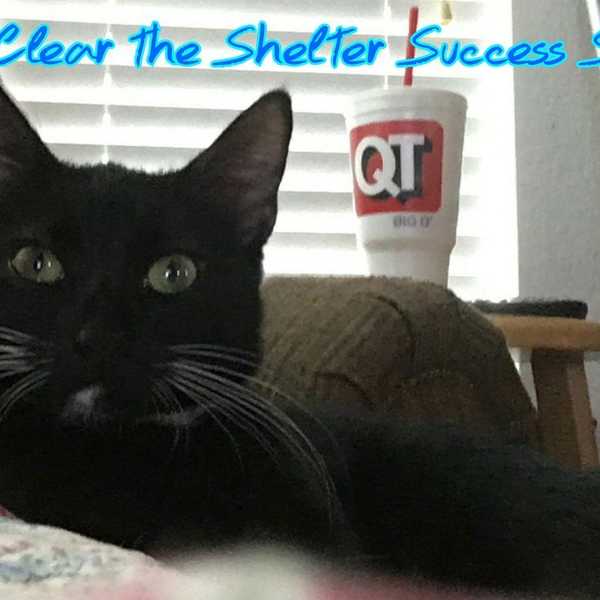
As I write this article, I have a small kitten playing with my computer charger’s cable. His fur is soft and fluffy, but I have no idea as to what breed he is. I can also see my purebred Siamese cat on the floor watching the newest addition to the family. The kitten, still waiting for a name, was rescued from the cold, wet outdoors from behind a medical clinic and given to me to rehabilitate. It came to me in a frigid state -- only hissing and hiding away in tight places, but eager to eat because I know it hasn't in some time because is extremely thin. After a week of work, he is friendly and playful.
People view strays or shelter animals as “damaged goods,” and often believe them to not be worth the effort. There are myths that come with these furry guys, and I want to help dispel a few of them.
1. Animals from a shelter cannot bond to a new family.
While an adopted pet may be timid to show love or become attached at first, they are more than likely to bond due to having experience with losing their once loving family or owner. After becoming a stray or entering the shelter system, they become lonely and will cling to the next person to show affection. I have found that strays can become very attached, more so than pets I have had since they were old enough to leave their mothers.
2. Strays or shelter animals do not make good pets.
Having rescued many strays and purchased many pets from breeders, I can safely say that they both make good pets -- it all comes down to how they are raised and how much attention they receive, no matter where they came from. A dog that is hardly interacted with is more likely to be afraid around strangers and lash out versus a dog that is socialized very well. It plays into the nature versus nurture debate, but you can make any pet a good pet.
3. You never know what you are getting.
Yes, most shelter occupants and strays are mixed or “mutts,” and it is unclear what you will be adopting; however, that often adds to the charm of an adopted pet. My brother adopted what he thought was a purebred German Shepherd, but the puppy ended up being mixed with Rottweiler. While it may not have been what he originally wanted, she is a beautiful and playful dog that he still loves. Many animals are neglected due to not being a specific breed, so people purchase from a breeder. This results in many ending up in shelters. If you are worried about medical problems, shelters often make animals medically fit before allowing them to be adopted. Non-profit, no-kill shelters especially follow this policy and make sure a dog or cat is up to date medically, as well as make sure they are spayed or neutered before allowing them to be adopted.
4. Animals are in shelters because they are abused.
While this may hold true in some cases, often times animals are in shelters for a variety of reasons. Previous owners may have died or moved; medical bills may be too expensive for the previous owners; previous owners may not have their pet spayed or neutered, and have a litter babies they cannot keep; or previous owner may have purchased or adopted a pet that is too high-maintenance for their lifestyle or living space. When I was really young, my mom adopted a Cocker Spaniel from a shelter that would have been euthanized otherwise because he had been there for awhile. He was owned by a man in service with the Marines and could not take his Spaniel with him on deployment, and he didn't have another person available to house the dog. He was only in a shelter because he had no where else to go. Animals can be removed from an environment by police if neglected or abused, but it is not the only reason why they end up in shelters.
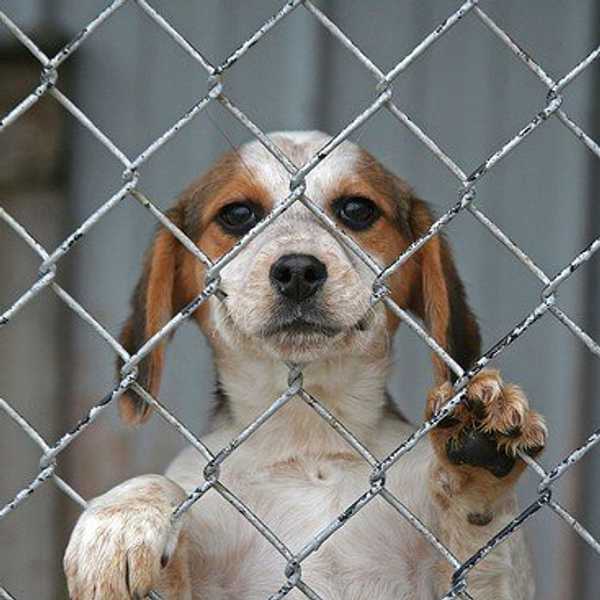
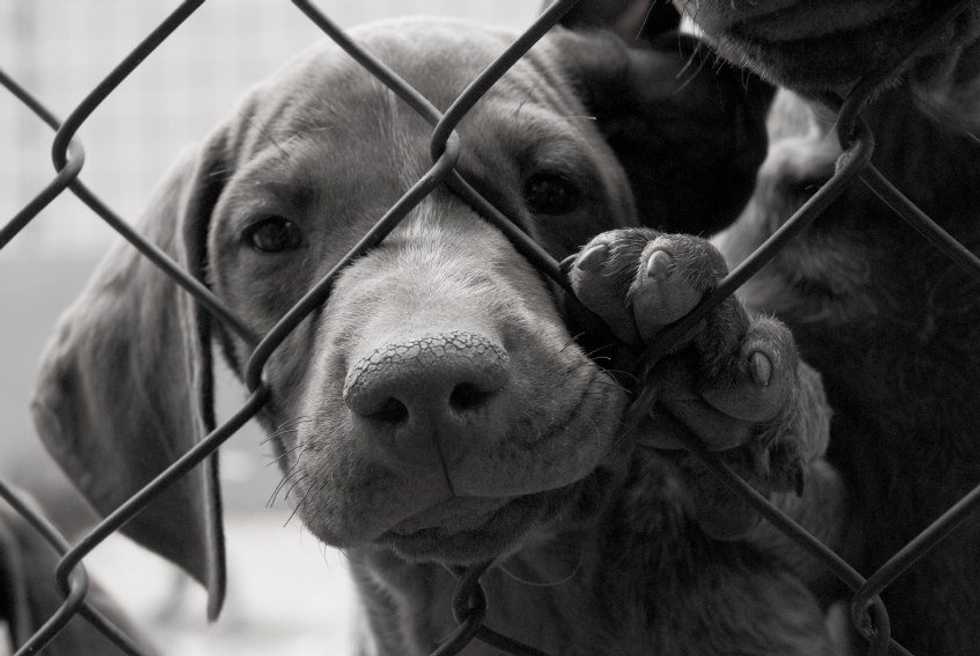
It all comes down to personal preference, of course, but there are plenty of unloved animals waiting for their forever homes! There are more strays and shelter babies versus animals being bred for purchase. According to ASPCA, 7.6 million animals enter a shelter every year, and out of that harrowing number, 2.7 million of them are euthanized. There are plenty of furry guys that need some loving at a local shelter near you. Having both adopted and purchased pets, I highly suggest saving a shelter baby from possible euthanasia if you are looking for your next furry friend.