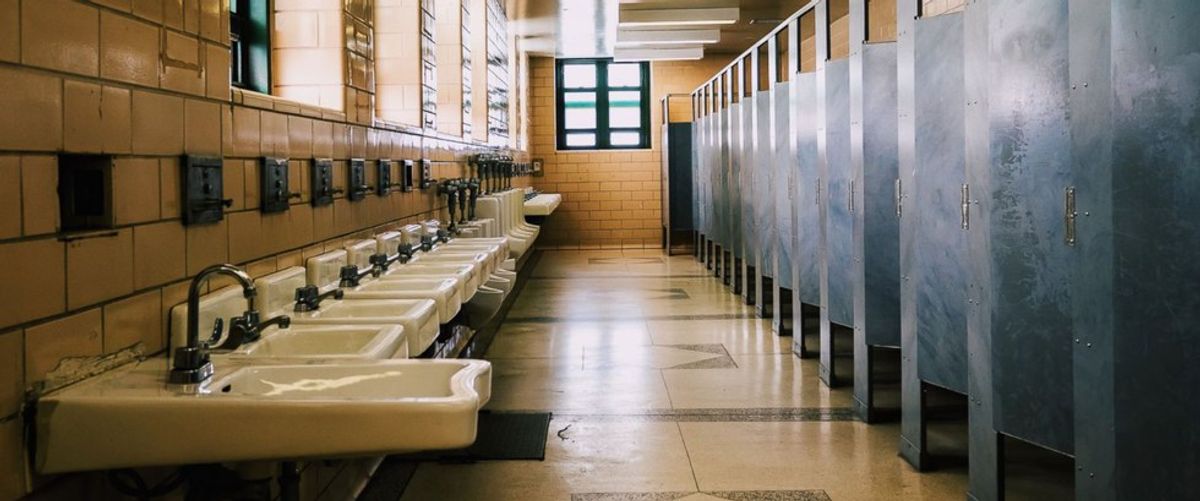
There’s been a lot of potty talk as of late. It all began in late March when North Carolina Governor Pat McCrory signed the infamous bathroom law, House Bill 2. This law dictated that all citizens have to go the bathroom related to their designated gender at birth. This started a torrent of reactions of a hot-button topic as it brings to light the issues of gendered bathrooms and the discrimination that this law faces against the trans community. There’s a lot that is going on, and this is your one stop for trying to learn exactly what is happening with these bathroom laws.
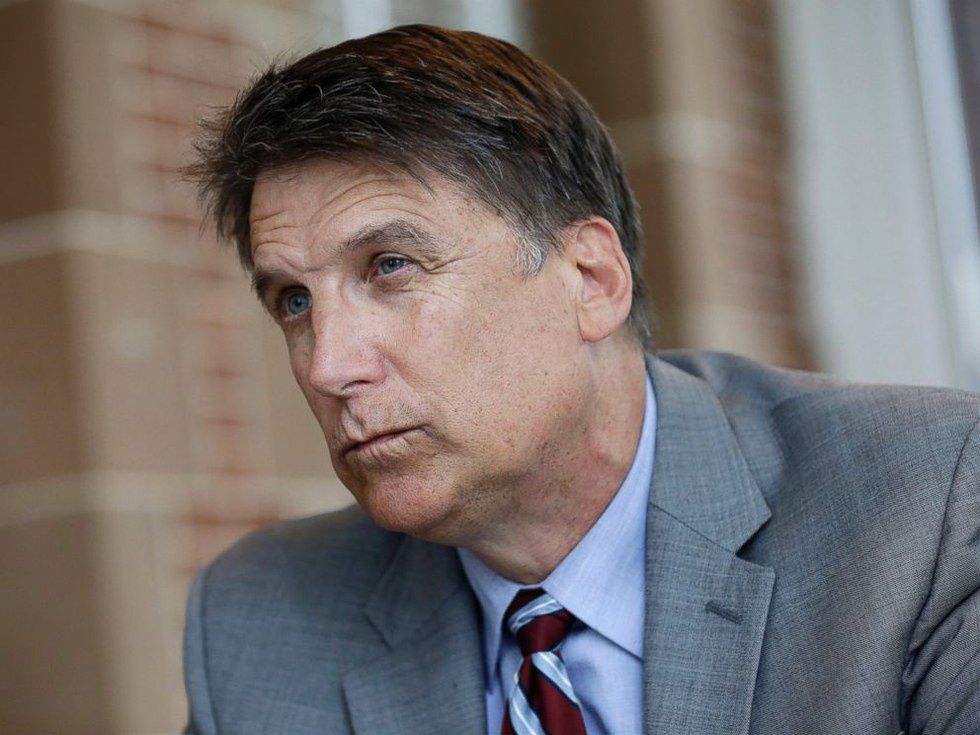
As soon as the law was put forth in North Carolina, the state has faced backlash. Non-essential bus travel has been banned in North Carolina. Over 160 companies have petitioned for North Carolina to repeal the law. Big performance companies like Bruce Springsteen, Circus Du Soleil and Pearl Jam have canceled all performances in North Carolina until the law is repealed. Companies like PayPal and Duestche Bank are refusing to do business in North Carolina.
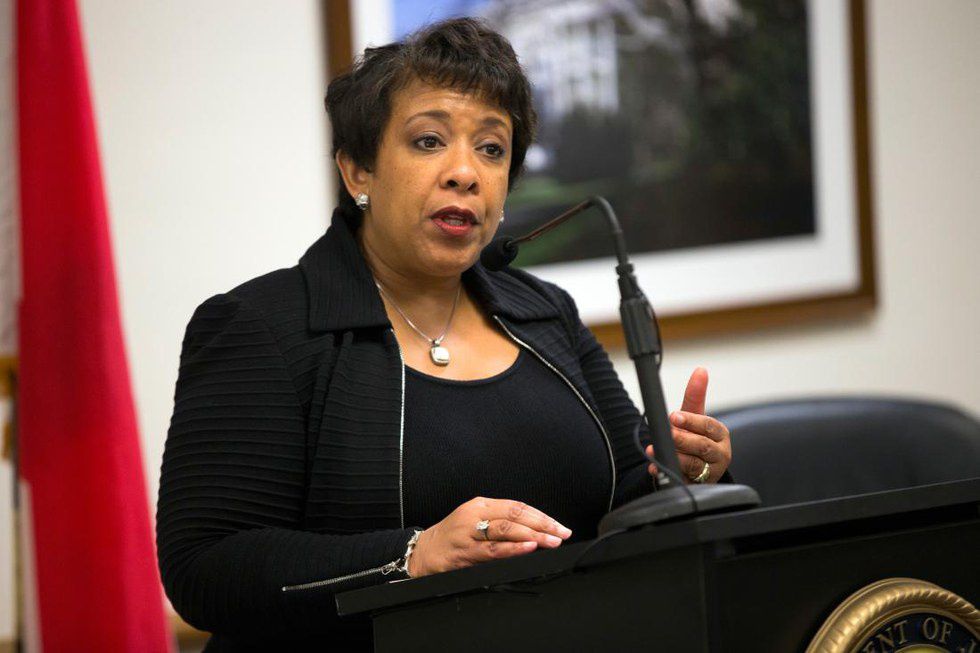
Even the US Justice Department has stepped in, stating that HB2 is a direct violation of Title IX, which states that schools may “not discriminate against students’ sex, including their gender identity.” The state was given until May 9 to repeal their law, but they instead tried to sue the U.S. Justice Department. The U.S. Justice Department retaliated and now North Carolina is being sued. U.S Attorney General Loretta Lynch came out and made a speech on May 9, stating that the U.S Department is moving forward and suing the state for trying to enforce illegal discriminatory laws. She called back to a time when similar laws barred African Americans from going to certain bathrooms.
Obama has also stated that there are mandatory laws that must allow kids in school to go to the bathrooms according to their gender. Granted, to prove their gender, they need to have an approval note from their parents, which doesn’t protect trans students who have non-supportive parents, and doesn’t account for agender, gender fluid and so forth individuals in the trans-community, but it is definitely a step in the right direction.
Interestingly enough, our state, Washington, is trying to move forward Initiative 1515, which would put in place similar bathroom laws as North Carolina. Washington has been claiming to be against these laws, so why are we are aiming to pass similar laws ourselves? If the negative effects the law has placed on North Carolina isn’t an indication of how bad an idea this is, Microsoft, Google, and Vulcan have already signed an anti-I-1515 bill, which if it were to go into place we would lose them, which in itself would be an economical disaster for our state.

The question begging to be asked is this: why are these gendered-enforced bathrooms such a big deal? Why is legislation being put in place to police who can and cannot go into which bathroom? Politicians like Pat McCrory claim it’s to protect people from being sexually harassed in bathrooms. Given statistics, there are little to no cases of trans individuals sexually harassing anyone. While, on the other hand, there is an alarming rate of sexual harassment faced against trans individuals, especially if they are a person of color (POC). Also, sexual harassers are more likely to be cisgender individuals, who in most cases know their victims; these laws are not placing any protection against victims of sexual harassment. Not to mention, 17 states and over 200 cities allow trans individuals to use any bathroom that fits best to their gender, and there has been no increase in sexual harassment, debunking that ridiculous myth.
Not to mention the concept of gendered bathrooms are from archaic laws made in the Victorian Era. Gendered bathrooms weren’t commonplace until 1887. The law was put in place as more and more women were entering the social sphere and leaving their homes and working in factories, which jumpstarted opposition against women using public bathrooms. Men, who made up all of the law-making legislation at the time, felt that women were invading the social sphere and made separate women’s bathrooms in an attempt to keep women in a separate sphere from men keep them in the domestic sphere. Up until that point, bathrooms were not gendered, and it seemed to work fine. The whole concept of gendered bathrooms is rooted in sexism.
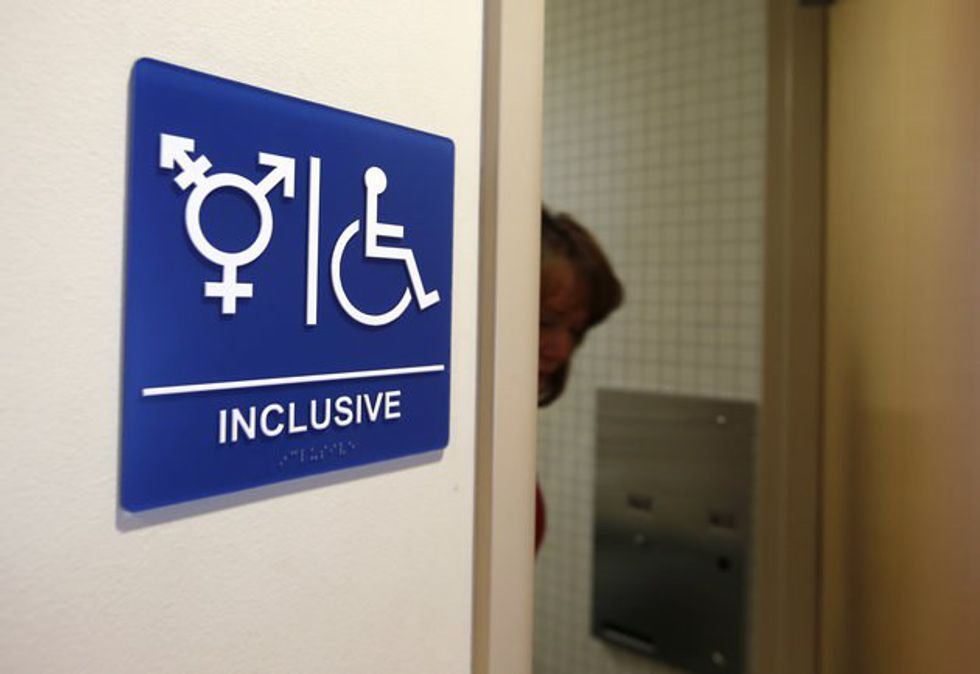
The concept of universal gender-neutral bathrooms is far from happening anytime soon, especially with building codes like the IBC bathroom code, which requires sex-segregated bathrooms in all buildings. Even though sex-segregated bathrooms are put in place for archaic sexist reasons, and in itself are very transphobic, they don't appear to be going away. Segregated bathrooms often force children to attend bathrooms unattended because their guardian is of the opposite sex, and this has led to violent crimes against children, like the murder of the 9-year-old boy in Oceanside, California, when his aunt could not attend the bathroom with him. Or, when a 6-year-old girl was raped when she went to the bathroom by herself because a man hid in the bathroom while her father and brother waited for her outside. Gendered bathrooms and these new laws have not proven to prevent crimes like these, and not only cause personal endangerment to trans individuals, but also to many children.
When will everyone see that?