8:30 a.m, Tuesday August 19, 2014.
I watched as the men beat their drums madly and let their hands and legs flare wildly in tandem with the vibrations of their precious instruments. That was all they owned in the world – their drums and their dignity. Their mouths were opened wide and their voices raised high to let the world know that they were present. None of us spoke their language nor understood what they so passionately shouted about. But they didn’t care. They were 20 men and they were enough. They had all the numbers they needed to sound like 10,000 angry warriors decked in red, green and white kangas,daring the world to take another piece of them.
In the middle of the dancers’ fiery circle was a big drum defiantly planted on the ground and painted in similar whites, reds and greens. At the bottom of the mute totem was a string of letters boldly written in visibly fading black paint:
B U R U N D I
White, black and brown men and women stood outside the entrance to the Kenya National Museum with their expensive camera-phones and foreign accents, and took pictures of the rehabilitated Burundian refugees in action. A black Kenyan man in a tattered red shirt and his chubby colleague stopped and watched the proceedings from outside the museum complex through the wire-mesh – their kind did not make the guest list.
My mum was on coffee duty, and she was getting frustrated because it had not yet arrived and the striking blue-eyed blonde and her Irish counterpart were disappointed at the absence of "something hot." Everything else was going according to plan – everything but the coffee. The World Humanitarian Day souvenirs looked amazing– bamboo folders covered in soft fur with three cowrie shells at the top and Maasai beads at the center to finish off the brilliant African design.
“These look amazing mum, where were they made?” I asked her, very impressed by the handiwork.
“Westlands. And each was about Ksh1500,” my mum replied, smiling at me above her glasses.
Westlands – where the bougie of Kenya lived.
Ksh1500. Each. I counted about 100 in total and did the mental math – Ksh150, 000 – just for the folders. I didn’t ask about the catering, or the auditorium; I figured that after the price of the folders, they had to be free.
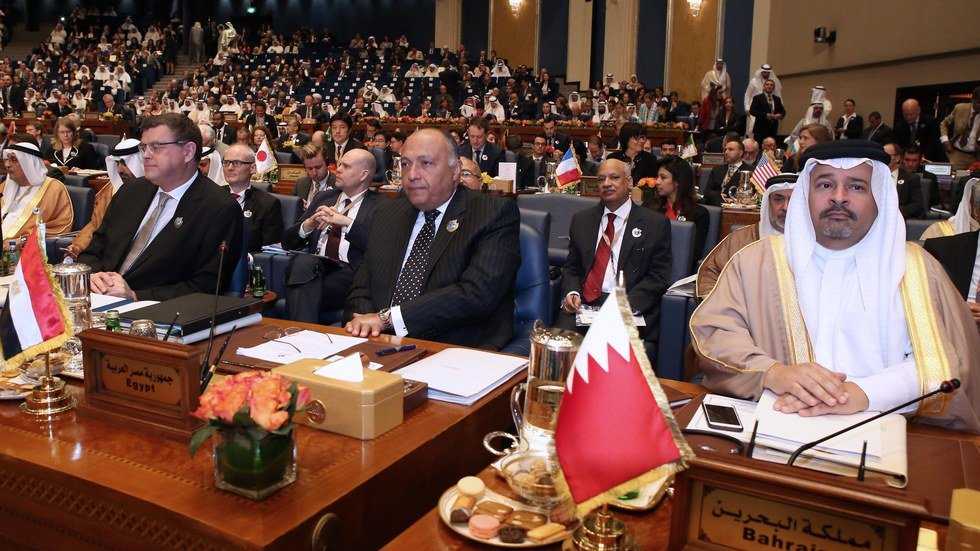
The coffee finally arrived and the guests filed into the auditorium, one at a time, patiently waiting their turn to get a bite of the mandaziz and samosas prettily laid out on the clothed table. My mum and I were last in line with the dancers who came shortly after all the accents, suits and designer perfumes had filed into the hall to take their seats.
I sat at the back with my mum – just in case more coffee duty was needed. The projector in the big hall came on after a while, and statistics were read out by one of the nicely clad accents.
“More humanitarian aid workers have been killed in the 2013/2014 period than ever before,” he started.
“Last year, the number of aid workers killed, kidnapped or seriously wounded reached the highest number ever recorded. The largest portion of aid workers killed, 36 percent, were victims of targeted attacks or crossfire while delivering assistance…”
He concluded his speech and called upon an Alessandra Morelli to give her testimony of what it was like to work on the front lines of battle.
After a few minutes of static, a woman’s broken voice filled the room, filled with what sounded like a combination of strained emotion and bad Internet connection as she Skyped in from Somalia with her testimony.
I didn’t even know they got internet connection in Somalia…
I bit into my mandazi and listened.
“When I was called upon as a humanitarian hero to share my story with all of you, I started to think about what the word ‘hero’ means. I did a bit of research and found that the roots come from a Latin word which means to serve. And that’s what we do, my team and I. We survive this line of work because we give each other hope. We are a family. I recognize that I am privileged because I am alive even after multiple attacks in Mogadishu that have killed some of my closest friends. But I’m still alive, and that means I still have work to do…”
Her words struck a chord that made it hard to swallow what was left of my mandazi. 15 body bags flown in and five more on their way to Nairobi. The perfumes and the accents and the applause that followed after the call was disconnected suddenly became overwhelming.
A suit came up and called the Burundian whites and reds and greens up on to the stage for a final performance – my mum left for more coffee duty. That, and to hand out the Ksh1,500 folders to the suits and accents in attendance - honoring their participation in this annual memorial for the affluent, the dead, and the dying.
The thump of drums of the 20 men seemed louder this time around -- the sound of their whistles more shrill and urgent.
Is anyone listening?
2016: 1.5years and counting. More blood. More body bags. More opportunities to convene over expensive tea and talk about the sad state of our world.