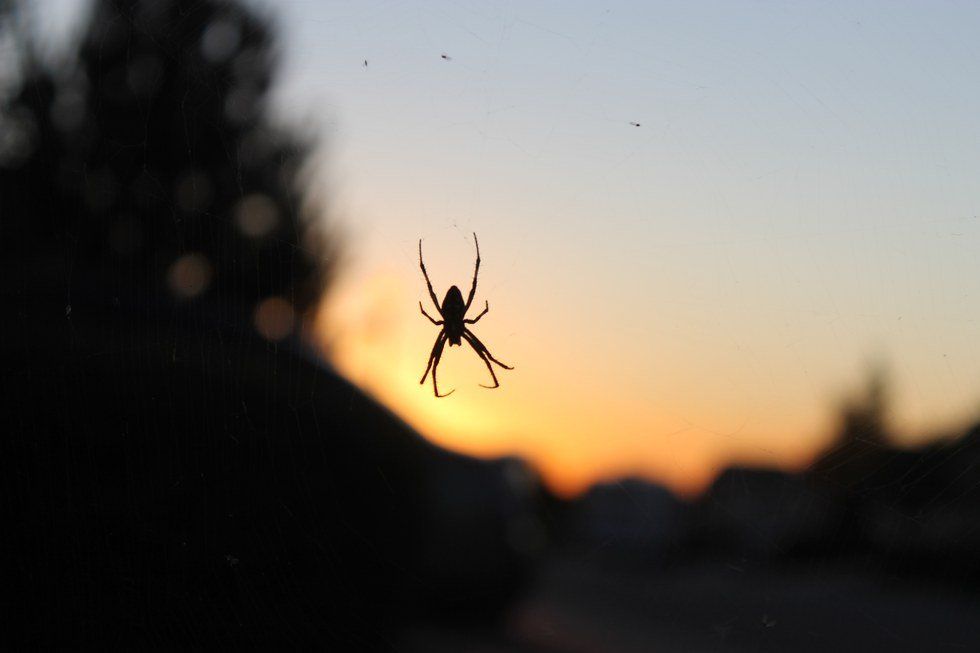
Summer is a magical time for everyone, whether it’s your brief freedom from education, or simply a time that allows you to appreciate your backyard for what it’s actually worth. It brings friends together, reintroduces people to the outdoors, and reminds us that pools and ACs are a blessing. Summer gives way to many wonderful gifts, but it also brings the return of many of our forgotten acquaintances: bugs. Loved by few and cherished by even fewer, it’s important to remember that bugs do a lot of good. They pollinate flowers, prey on other problematic creatures, and can even inspire the most indifferent with their breathtaking markings and colors. However, hot temperatures can prove to be quite a burden on our ‘creepy crawly’ friends, and thus become a burden on us. Here are some friendly tips on helping out littlest neighbors!
1. Staying hydrated!
The heat of summer is lengthy and unforgiving; while we humans and our pets have the shelter of our homes and the assistance of our wonderful ACs, there are many other creatures out there who are not as lucky. True, they’ve had billions of years to adapt, but that doesn’t change the fact that each change in season is a change in their routine. Animals that we heavily depend on, such as bees and wasps, struggle through these high temperatures and will occasionally find themselves in a do or die situation. To help all insects and bugs alike, there is a simple, homemade method we can use to combat even the harshest of temperatures, and that is an insect-safe watering hole! To make a watering hole, all you need is a shallow bowl, rocks, water, and a can-do attitude. Simply fill up the bowl with water so that it’s just below rock level. This way, if an insect falls in while trying to drink, it will be able to climb and dry itself on the rock rather than meet a watery end. You may also use corks or other flotation devices in place of the rocks so long as the water does not surpass safety level. Always make sure to refill the water dish as evaporation is imminent and never leave it sitting for more than a few days; mosquitoes lay their eggs in sitting water. In this simple way, every creature whether they be an insect or house pet, may be able to find some comfort in summer’s blistering visit.
2. Relocation reasoning
With heat comes an increase of bugs as well as an increase in the chance that those bugs may wind up somewhere they don’t belong. Instead of killing stragglers you find in your house, consider the catch-and-release method! Making homemade fly traps is actually quite easy and there multiple methods you can choose from. For bugs that may trigger fear or disgust like spiders, there aren’t many peaceful traps you can use that guarantee their safety; you can however purchase a butterfly net or simply use a cup and a piece of paper to remove them from your home. Always remember that even though arachnids can be a bit deterring, they play a vital role in the ecosystem. As for our little friends who attracted to the water from our sprinklers or hose, hot summer cement can be a very big threat; if you’re walking your dog or just walking to get your daily 10,000 steps and you see a struggling worm or snail, gently pick it up and move it to the shade or grass. This is more of practicing kindness than saving the world, but we must learn to appreciate the small things. You may not be making a difference to a whole species, but you are making a difference to one living, breathing life. You’d be surprised how sometimes the most simple of actions can bring the warmest of feelings.
3. Inviting in the right guests
Summer is a time where you truly get to show off all of the hard work you put into your lovely garden, but with the blooming plants comes hungry bugs. We can argue that most of the not-so-creepy crawlies are pleasant to have around, yet a few still manage to cause us accidental trouble. You can use pesticides or other sprays, but they may turn out to be harmful towards pets and kids and having chemicals around for outdoor parties is a bit of a turn-off. As it turns out though, there does happen to be a brief list on helpful instincts you may keep around your yard. This list also explains how to attract them and what they do to keep you garden looking like something out of a fairy tale. As I've said before, we can only learn how to care for our home, Earth, when we can learn how to care for the creatures that inhabit it.