The European Union (EU) has been a stronghold in Europe for many years. Since its official founding in 1993 as an economic-political union, 28 European countries have joined and choose to work together on several key issues affecting the region. Many of the countries benefited in joining the EU and try to work as a unit. For example, when Greece first joined and adopted the euro as their currency, its economy grew. Besides the benefits offered, the main flaw of the EU is that it chips away at state sovereignty. The concept of state sovereignty, meaning that each country's federal government is the highest authority and has the the right to do whatever it wants in its own territory, is a longstanding international norm. By joining the EU and agreeing to come up with solutions to issues as a group, each member gives up part of its sovereignty.
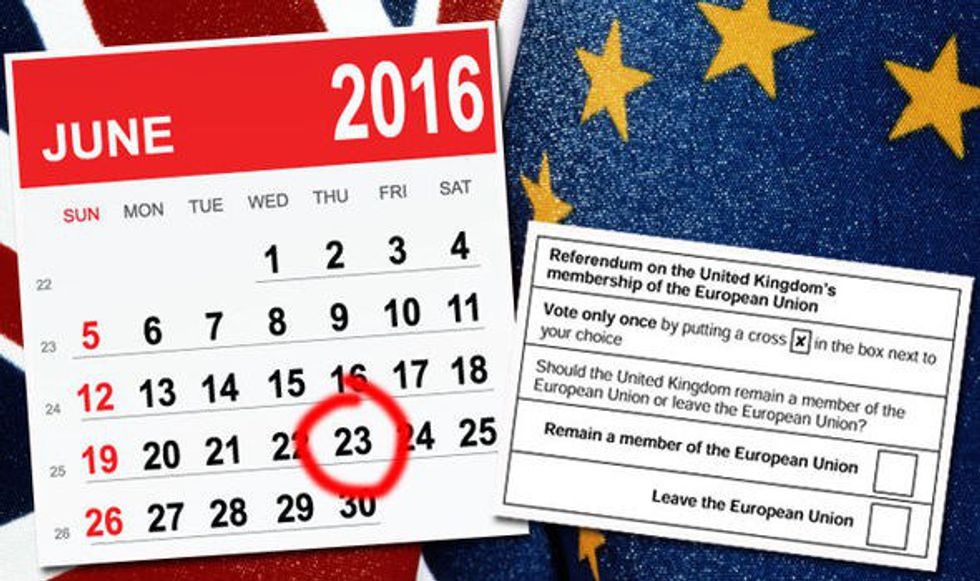
On June 23, Britain, a core power in the EU, will have a referendum, deemed the "Brexit" vote, to decide if they should stay in the EU. If Britain breaks from the EU, it gains total state sovereignty back, but could leaving the EU harm Britain's economy and can the EU stay together without Britain?
So, where exactly does Britain's relationship with the EU currently stand? Well, it turns out that not all Britons enjoy being part of the EU. The New York Times reports that "many Britons feel emotionally apart and even alien from Europe, so they see the European Union as an opaque, bewildering abstraction, a mysterious bureaucratic behemoth that hoovers up their money and independence while giving little (or nothing) in return".
This desire to break away from the EU does not entirely come as a shocker. Britain has always been more of a loner and not as entangled in many of the other regional conflicts. As for its membership in the EU, it is often the exception state. Britain uses the pound, not the euro, does bot fly the European flag, and makes a consistent effort to emphasize British values, which are often different than European values.
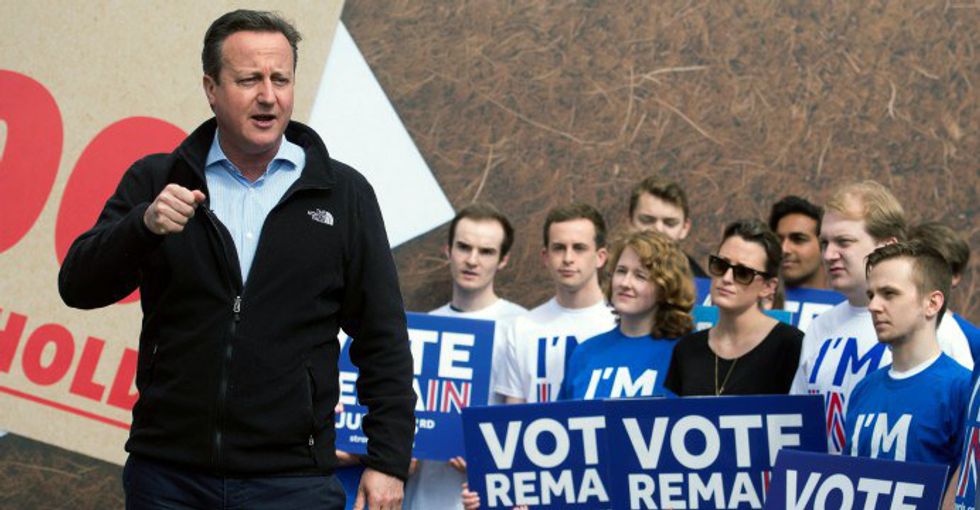
If Britain does vote to leave the European Union, could that decision have a serious impact on Britain's economy? German Chancellor Angela Merkel certainly thinks it will. Bloomberg reports that Merkel "warned that the U.K. would be isolated and lose influence...and cited trade and the single market as key reasons for the U.K. to stay in the twenty-eight nation bloc". By encouraging Britain to stay in the EU, Merkel echoes similar sentiments as Britain Prime Minister David Cameron and US President Barack Obama.
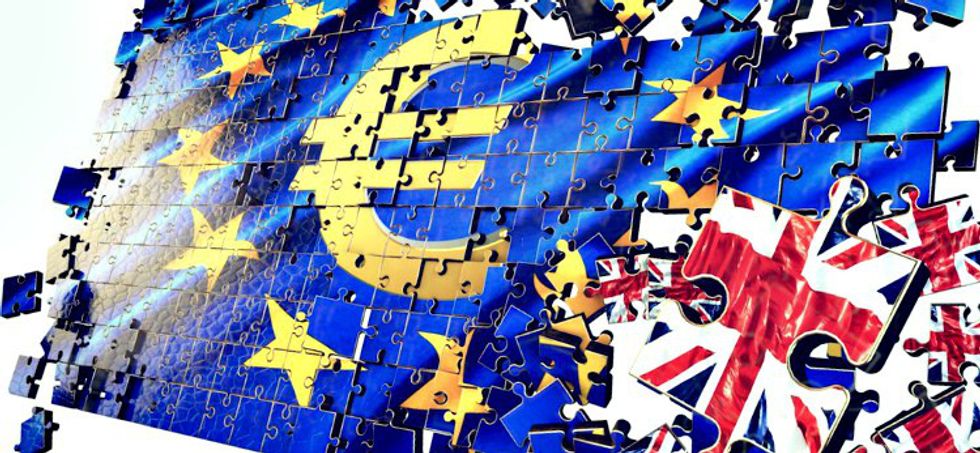
In addition to impacting Britain's economy, the decision to leave the EU sets a dangerous precedent. The effectiveness of inter-governmental organizations (IGOs) is an issue constantly being debated. Can separate countries with different self-interests really work together? Is a regional common identity able to form in Europe? These are significant questions that can only be supported as long as IGOs, such as the EU, remain unified. If Britons choose to leave, other countries may be inspired to leave as well and the legitimacy of the EU will be undermined, Ultimately, the future of Britain's role in the EU and the EU's future will be completely dependent on the referendum vote on June 23. Do voters still have faith in the European Union or is it slowly unraveling?