
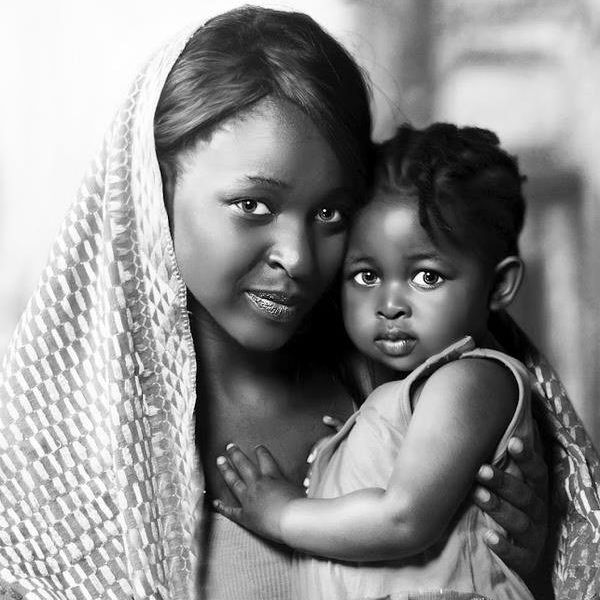


It’s the issue that seems to be constantly looming over our heads. It pops up time and time again in the news and on Facebook and prompts us to consider a multitude of solutions, most of which despairingly seem to lie in an ethical dead zone. Do we fight for the illegality of abortion or accept the laws imposed by our government which condone it? At first glance, neither option is truly acceptable without second thought. A pro-choice mentality appears to accept the termination of precious human life, while a pro-life mentality appears to rip women of their bodily autonomy without care for a multitude of personal and societal consequences. Historically, supporting either position means being forced to swallow the unethical knife that comes with it – and just like that, both sides are weaponless.
The result creates the challenge that pro-lifers and pro-choicers alike must now confront -- the debate on abortion is not a fight to be won, rather a gap to be filled.
We can start to patch up these disparities by first understanding the humanistic inclination to cling to life, an undeniable foundation present within us all. Most of us would agree that there is nothing of more value in our lives than life itself. That a fetus soon to be born, an infant, a toddler, a teenager, a young adult, a middle-aged man or woman, or elderly person all deserve a shot at the pure irreplaceable joy of the human experience. In this sense, we would be hard-pressed to find someone who staunchly disagrees – someone who is “anti-life.” Now that we’ve identified this essential connection, it’s important to next consider cases where there is at least some overlap in the positions of those who are pro-life and pro-choice.
For one, many pro-life activists who support the illegality of abortion do have certain exceptions to this belief, such as allowing an abortion for a woman who has been raped or when a pregnancy causes significant medical problems for the mother or child. In broader terms, if a pregnancy results in unnecessary trauma for a mother or child, we are more likely to accept that the situation could necessitate an abortion. However, this is where the lines are quickly blurred, particularly given that we must consider situations outside of our own privileged bubble. For a pregnant single mother living in poverty who likely does not have access to good health care, having another child could mean being out of work for a significant period of time, which translates to an inability to pay rent, pay for food, or support her children. Is this situation an example of unnecessary trauma that could be mitigated with an abortion? Some may say yes, while others will disagree.
The bottom line is that debate doesn’t help the woman in the example above, nor will a change in the law. What will help is medical, financial, and emotional support – something that can be offered by pro-lifers and pro-choicers alike. With the money to pay for childcare expenses, adequate medical services, and counseling, women may be less likely to seek out abortion as their only option. Therefore, the money, time, and effort designated for the improvement of women’s health facilities and family planning organizations along with the establishment of services that help direct impoverished women to the resources that they need has the potential to make a huge impact for the welfare of women, their families, and their unborn children. With support from those who are both pro-life and pro-choice, we can finally start to move forward and confront the issue rather than one another.

















