
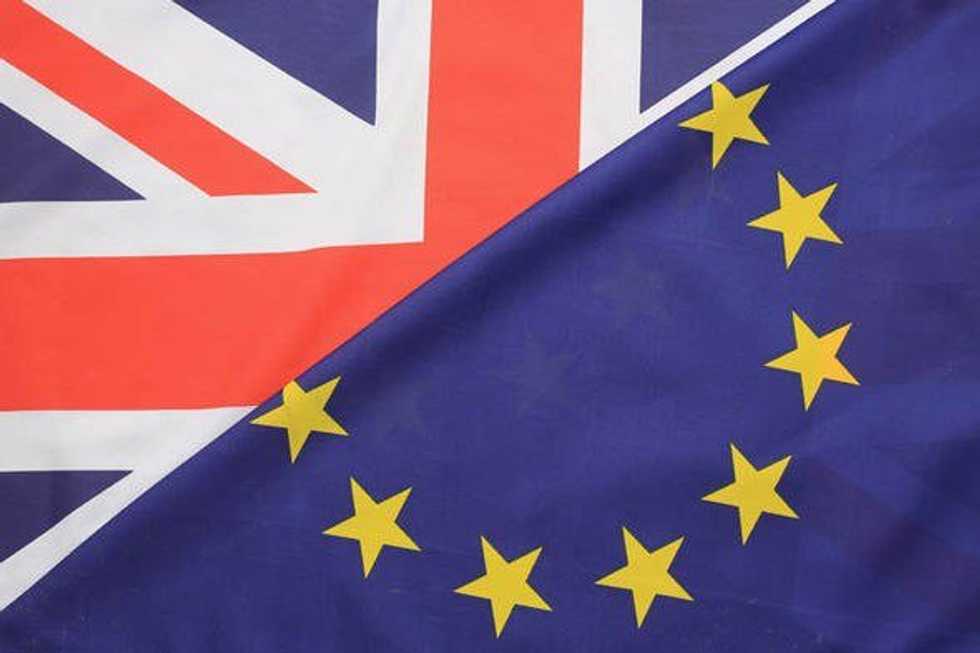
On Thursday June 23rd, the UK voted to leave the European Union, creating an upheaval of conflict and opinion from not only those who voted for or against "Leave", but those affected by the decision. While the now historically important event has been covered on the news the past few days, many people (including the British themselves!) still don't know what happened, why or the implications for the future of the UK and the world. Here are the basics.
What is Brexit?
Coined from the combination of the words "British exit", Brexit is just a simple name for the event. Simply put, the British people voted to leave the European Union after 40 years of membership. Now, the UK must deal with the consequences of separating themselves from a union that benefitted them politically and economically.
Why is Brexit happening?
Since the UK joined the European Union in 1973, the country has been required to follow the laws of the entire union. Understandably, these laws are created to ensure order and peace across all of the countries, and the cooperation required of the union means that all countries either benefit from each other's prosperity or suffer through downturns together. As other countries began to suffer from economic crises, the UK became a place that struggling Europeans could easily find opportunity, jobs and money. Immigration from foreign European countries into the UK soared, and from 1993 to 2014 the number of foreign born citizens doubled to nearly 9 million people. According to a study from the Migration Observatory at the University of Oxford, 45 percent of British citizens believed that "immigration/race relations" was the most important issue faced by the country in 2014, while 77 percent of citizens believed that the amount of immigration into the country should decrease. After political conflict, British Prime Minister David Cameron suggested a future "referendum", or a general vote by the electorate on a single political question that has been referred to them for a direct decision, in order to gauge public opinion about and to decide whether or not Britain should leave or remain in the EU. That vote is what took place Thursday.
Why is Brexit so important?
In the short term, Brexit has already created a domino effect of events within the UK. Given widespread panic, these short term effects have the potential to become huge international problems.
The pound fell 10 percent, from $1.47 to $1.37, to its lowest value since 1985. This may not seem like a very big deal, but as the value of the pound falls, it makes it worth less compared to other world currencies which scares banks and investors, leading to drops in the market and the possibility of future economic crises if British citizens create a panic and take their money out of the banks. As the UK leaves the EU, it also means that they would have to leave behind the economic regulations and political help that benefit member countries. In short, it would be harder for the UK to continue to trade with or get political help in times of trouble from EU countries without more hoops to jump through, unless the EU allows the UK to keep its benefits (and defeating the purpose of leaving the EU). Just as the UK would have conflicts with the EU, the United States and other foreign countries would have trouble getting similar financial and political aid from the EU and UK. While before the US just had to go to the EU to get things from a large portion of European countries, now we would also have more steps and requirements to get help from both the EU and the UK. Not only would this be confusing and lengthy, but it could prove to be bad for world economy.
Following the vote, David Cameron resigned as Prime Minister stating that because he didn't support the "Leave" campaign and result, he was not the person who should lead the country into its new era. Now, the UK must find another person to fill in by November, at which point the country must invoke Article 50 of the EU legislation, which begins the process of Britain's "political divorce" from the EU. Until the government officially invokes Article 50, the process can't begin the process, which will take 2 years, meaning that the longer it takes for the UK to decide a replacement for Cameron, the longer it will take to actually separate from the EU. In the mean time, the country will have to figure out how to coexist politically and economically with the EU during the in-between.
While there are plenty of what if scenarios about what could happen in the future following Brexit, both good and bad, it all depends on the EU's willingness to work with Britain during and despite their leave, as well as on the general population's ability to not freak out and take drastic measures. However, the reasoning behind Brexit is something being considered by multiple countries, including EU members France and Spain. EU regulations such as forcing its countries to allow refugees across borders has created many problems in countries, especially financially and politically. How long can countries continue to affordably and safely harbor innocent victims of terror without making themselves susceptible to the same violence? When will these countries return to the prosperity they strive for? These questions and many more are being asked by people of many EU countries, raising word that other members may soon hold their own referendums and vote on whether to leave or remain in the European Union. Until then, it is clear that the course taken by the British people is one that is historic for their nation and maybe even the world.