
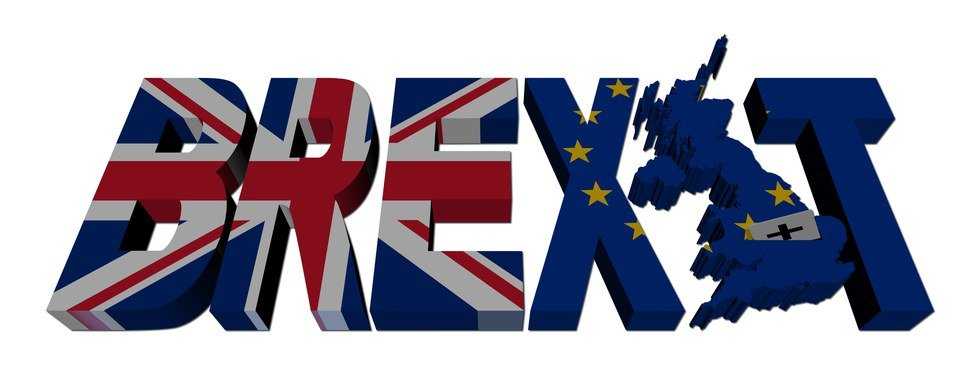
On Friday June 24, the British public decided in a historic vote to leave the European Union. The European Union is a monetary union was established in 1999 and came into full force in 2002, and is composed of 19 EU member states which use the euro currency. The EU has developed an internal single market through a standardized system of laws that apply in all member states. A stock market index of major British companies, the FTSE200, shed 7% the following day . The British currency, the pound sterling, fell a remarkable 3.5% against the dollar. The Labor Party leader and Prime Minister of the UK announced his leave after this event. Those percentages may not seem high to the average reader, but in the financial world they are a huge deal. When it comes to trillions of dollars, a 7% decline results in billions of dollars lost to the market. When the market falls like that, investors suffer. If central banks don’t act to reassure confidence in the markets, a run on the whole system could ensue.
The S&P 500 Index took a huge hit and lost around $3 trillion following the news, but once the market got news that central banks would move to restore confidence, the US markets recovered their losses . American stock markets are now at an all-time high level while the bond markets are at an all-time low, signaling high confidence in both areas. Britain is a different story.
The vote was decided by a mere 1%— just like how close the referendum UVA over the single-sanction policy was last year. When something as important as a vote to leave a monetary union is that close, you have to wonder what would have happened had the vote gone the other way. The year before, the Scots held a referendum to leave Great Britain, and failed by a wider margin. Many people in the UK vote had no clue what they were voting for. The term “leave” sounds better in a worse performing economy even when the economics behind “leave” are even worse, The “remain” side has been accused of associating with “project fear”— meaning that they won over voters by simply pointing out the poor economic conditions that weren’t only due to their EU involvement. The leave campaign failed to recognize obvious economic fallacies in the plan.
What now?
British exit from the European Union is an example of democracy taking hold once more— “Brexit reasserted democratic control in the UK. It is up to UK citizens now to participate in formulating policies based on free trade with Europe and the world, an enterprise economy and sensible immigration policies, with parliamentary control,” There is also a vacancy in the prime minister spot which is to be filled by the leftist Teresa May (not Teresa Sullivan unfortunately haha). A month ago, May had no clue that she was going to become prime minister. Now she must navigate the country through a predicted recession. She has said that her government will fight against “burning injustice” that contributes to making people’s lives “much harder than Westminster realizes.” This may indicate more liberal immigration policies which has been a major political issue in the EU.
The economic stability of other EU countries now has come into question. There are calls for “bail-ins” in Italy, Spain and Portuguese financial markets which mean that bondholders will have to accept a cut in the expected payout of their bond agreements. Europe is appearing more and more dicey as the days go on.