
When I first heard about UK's referendum regarding remaining in the European Union (EU), I had to look up a lot of information to figure out the geopolitics. Admittedly, AP Euro may have left my mind since I took that class four years ago so I'm not quite up to date on my European politics. After scouring social media and google, all I ended up with was some useless political jargon that didn't much help my understanding of why Brexit was important. I turned to an overseas friend and London resident who unsurprisingly had a strong opinion on the topic.
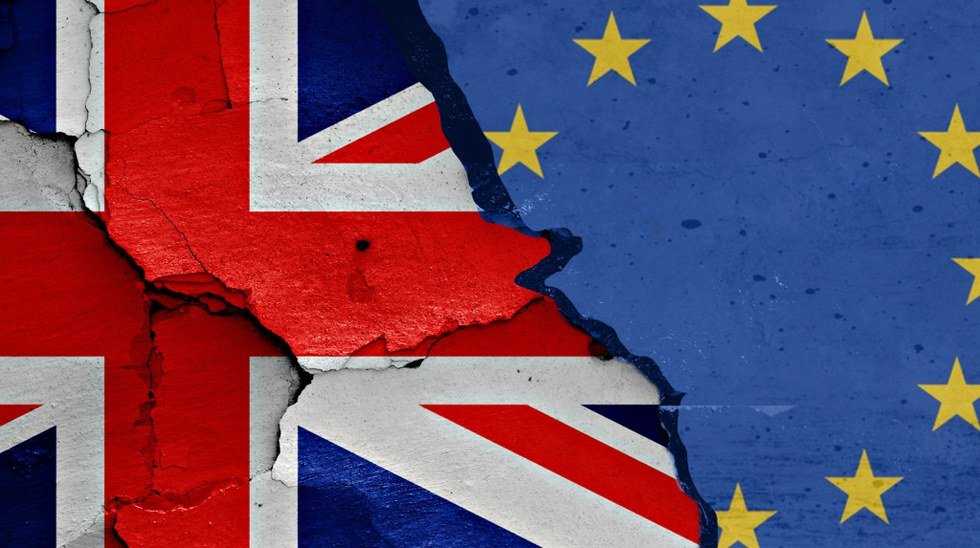
To recap, Brexit (British-Exit), refers to the UK's vote to leave the European Union, a union of European countries that sets tariffs and taxes, solidifies immigration and free movement laws, and provides a balance of power so that no one country gets too strong to take over Europe. The EU was established after WWII, after one country did get too strong and tried to take over Europe with terrible and deadly consequences. In sum, the EU provides economic and political protection for its members. As stated by reference.com: "The fundamental purposes of the European Union are to promote greater social, political and economic harmony among the nations of Western Europe. The EU reasons that nations whose economies are interdependent are less likely to engage in conflict."
The reason a nation might want to leave the EU is because if one country goes down, all the other members are affected as well. As a pretty strong state on its own, Britain has been known to appreciate its sovereignty. As stated by my lovely British friend, "I think despite membership fees the EU is ultimately a good force and provides us with protection and working within a larger group for hypothetically a greater good of Europe is worth sacrificing a little sovereignty."
Many in favor of leaving the EU voted to do so for economic reasons. Some believed that the absence of membership fees would provide huge economic relief, but that's not necessarily the case. Already the pound sterling has dropped its lowest in thirty years, foreshadowing a recession for the UK. In addition to this, if it goes through, Brexit could take up to two years to negotiate terms for leaving the EU, and no one knows if those would actually help anything.
Still others voted leave to protect the so-called integrity of the UK. I'll let another quote from a Londoner explain: "The foaming-at-the-mouth xenophobes in northeast England do not agree [that the UK should remain], as they believe that our EU membership allows far too many immigrants within our borders". This issue is very critical for analysis as it directly affects Europe and reflects the situation in America. Here we have UK citizens moving to also "build a wall" to bar immigrants seeking opportunity and even safety.
Aside from the fact that this vote is arguably a poor economic and moral choice, it could have serious ramifications for the structure of the UK and the EU. Scotland voted to remain and also elected to stay part of the UK years ago mainly because of EU membership. If there is another referendum with Scotland and Northern Ireland, "We could end up breaking up the UK--but also possibly the EU, as we are arguably a keystone member and other dominoes like France may fall after us...it would make the USA the only united world power standing in the way of the likes of Russia and China".And right now, I don't know if I feel too comfortable with the USA taking on that burden.
This is the abridged opinion of a millennial aged UK citizen, one of the ~70 percent of millennials who voted remain, but will have to live with the decision of the older generations (who, by virtue of their age, will not need to face the consequences). I'll leave you with one last quote: "Ultimately, we are stronger together, but crazy nationalists have been blinded by anger and fear and voted out, and now no one really knows what may happen."