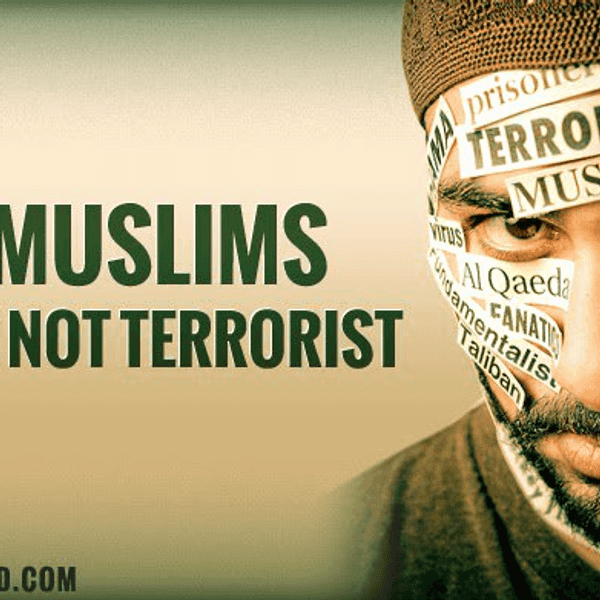
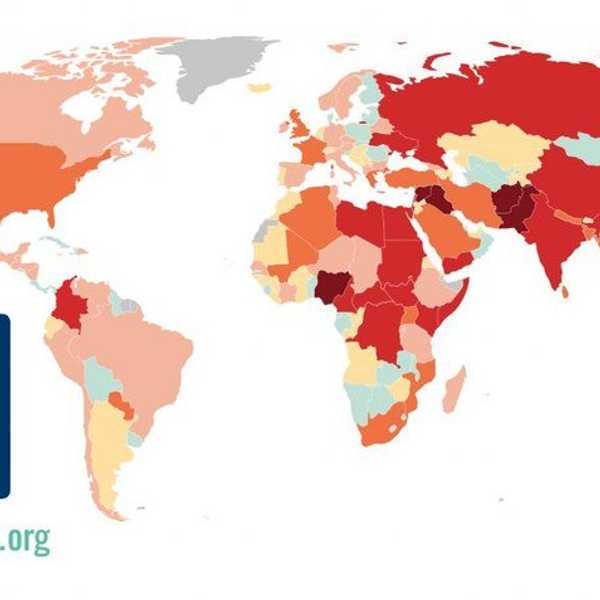
This tweet and many more were found on Twitter Nov. 12, from U.S. Senate hopeful, Everett A. Stern who was famously involved in the HSBC money laundering scandal as a whistleblower.
On Nov. 10, 2015, Middle East Eye reported that a “Mortar attack kills 23 in Assad stronghold of Latakia in Syria.” While this title is clearly misleading, the event that transpired was drastically different than you may assume at first glance. In fact, all 23 deaths were civilians outside of a university community in Latakia. This bombing was also conducted by Syrian “moderate” rebel groups supported by the United States financially.
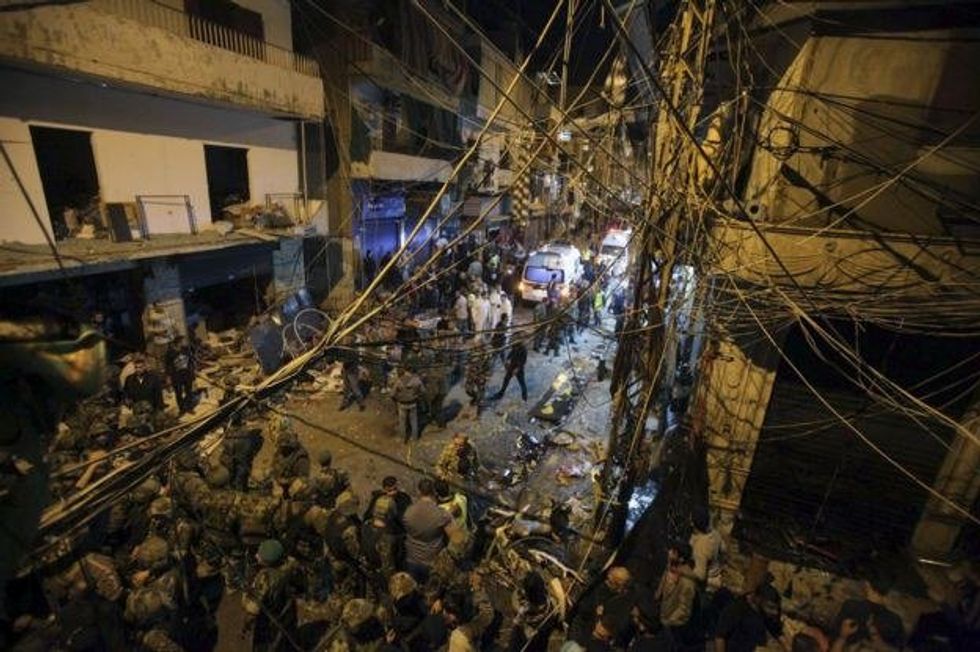
Two days later, ISIS claimed responsibility for the twin bombing of a suburb in South Beirut which killed over 40 and injured many, many more. While it is true that this suburb is under the control of Hezbollah, it is not at all a military installation as it is painted byThe New York Times in their article’s title. Massive outrage was expressed among people on Twitter calling into question the western media for “decivilianizing” civilian deaths, and making it seem that those who lost their lives were involved in any military operations. It is reported that only one Hezbollah security officer was killed in this attack.
Al-Alarabiya reports, “The bombings were the first attacks for more than a year in a stronghold of the Iran-backed movement, which has sent members to Syria to fight alongside President Bashar al-Assad’s forces in the country’s civil war.” This appears on all accounts to be a media sweep against the organization and a serious misinterpretation of a multi-cultural and multi-ethnic South Beirut community. It remains to be seen whether Hezbollah was the actual target of this bombing, as it could be directed more broadly to a case of sectarianism. Lent to this, there was another bomber who was thwarted in his attempt to enter a Shi’a masque.
Sayyed Hasan Nasrallah,Hezbollah’s leader spoke on Nov. 14 about this incident, but unfortunately had to also address the Paris attack that happened the very same day. Nasrallah condemned ISIS and offered his condolences to the families of the victims in Paris. He further stated that the attacks in Beirut were an attempt to pressure Hezbollah to withdrawal from Syria and that “if they assume that killing our men and women and children and burning our markets could weaken our determination, then they are mistaken.”
He continues: “There is no future for [ISIS]. Not in war and not in peace.”
With all that has transpired in Beirut, Paris, and all over the world, I think it is time that the world find more what it has in common than focusing on the politics of fear. In the United States, this has manifested asa huge push against refugees and increasing rhetoric from the right-wing circles about a serious engagement in Syria. Both of these are actions that are severely unwarranted. Note the lack of consistency by the press in their coverage of these events and a nuanced bias. What remains perfectly clear in all of these instances is the willingness of media to misrepresent the death of civilians to legitimize a negative opinion of organizations that are not allied to the West. Both Assad and Hezbollah certainly fall into this category. Regardless of opinions on either group, there is no need to bring innocents into the politics of this conflict. This is a continuing trend that many observe of the role in media shaping public opinion about the situation in Syria, no doubt to compel involvement. The press needs to be more honest with Americans to dispel any of these xenophobic and hawkish attitudes.
While the world draws immediate attention to any attack on western countries, the attacks and violence against the voiceless are quickly forgotten. It is important that we are all aware of the conflicts that go on every day, and that we remember that these things aren't over just because the media doesn't report it anymore.