As a feminist, I struggle to watch popular television shows, because of the redundant stereotypical gender norms expressed in them. However, "Bob's Burgers" de-rails completely from stereotypical character archetypes; from the whipped married guy and his nagging wife to the single xenophobic male and his single, needy love interest. This sex-positive animation is clever, amusing, with elaborate characters. So when I need a break from patriarchy and misogyny, I turn to "Bob's Burgers" for relief from our politically and socially incorrect media industries.
Tina Belcher
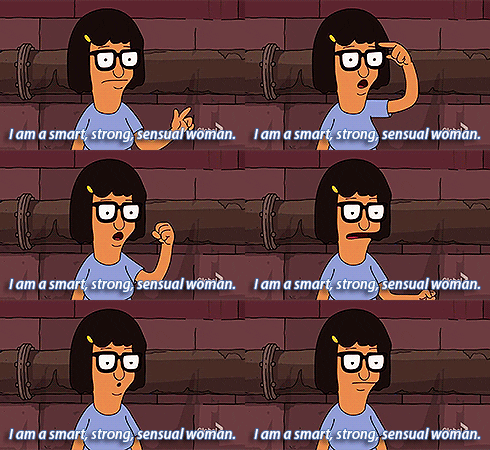
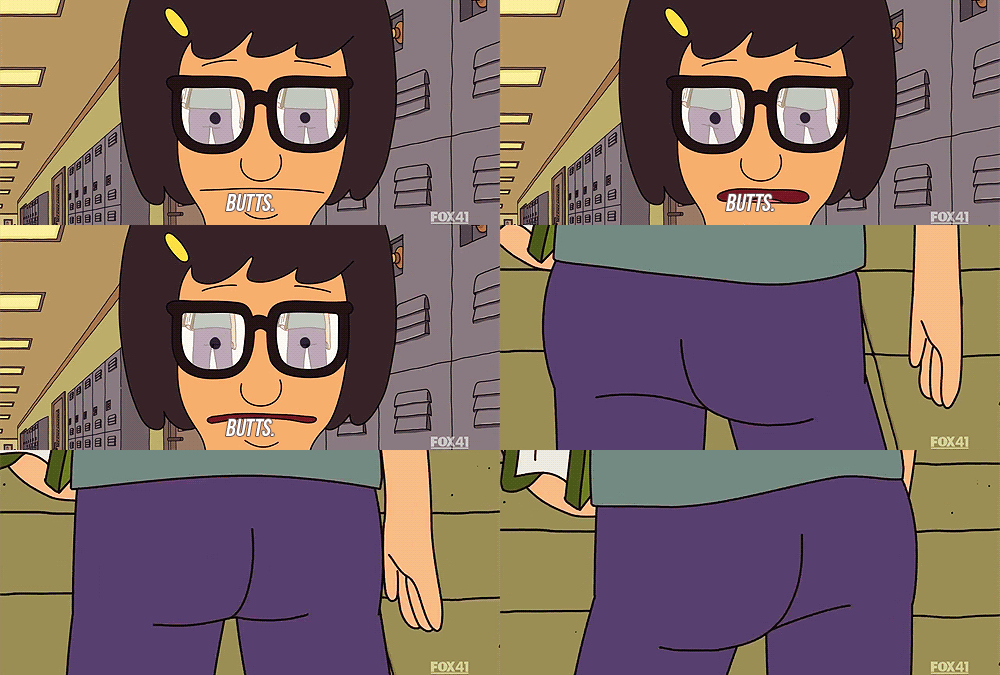
The most obvious feminist icon in "Bob's Burgers" is Tina Belcher. Tina's character perfectly exemplifies a female going through puberty from a female's point of view; as opposed to seeing female puberty from the male point of view. Regularly, teen boy actively pursues girls, which presents females as objects of affection. What about what pubescent girls think? What about the butts that Tina wants to touch?
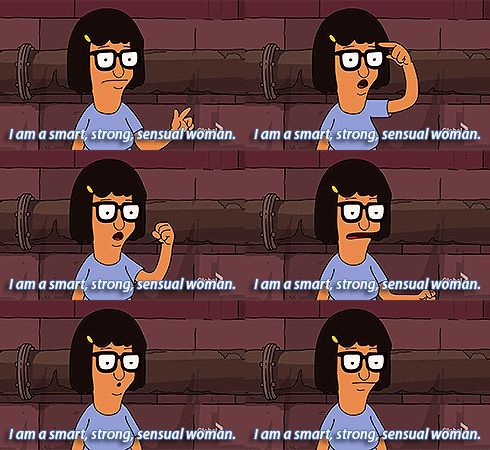
Tina Belcher is no different than any of us. She's awkward around her crush and has wet dreams about zombies. Tina is keenly aware of her own desires, expressing them in her erotic friend fictions.
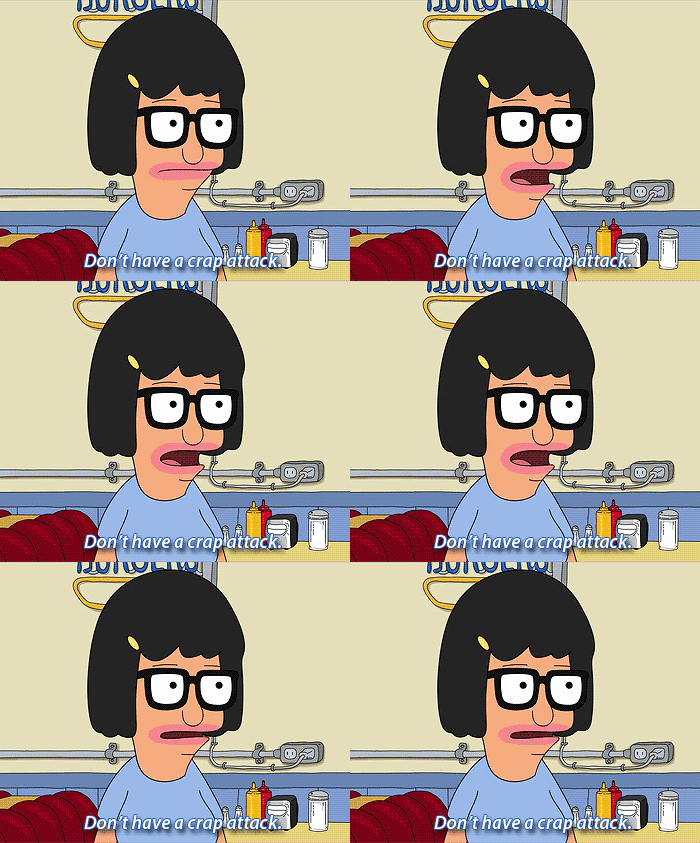
Tina even gives into peer pressure in one episode, turning into a carbon copy of a stereotypical popular girl from school, Tammy. She transforms into someone we can all admit to being at some point in our lives: a parent-hating, snobby, bad-mannered teenager with dramatic makeup.
Tina also challenges the nerdy girl archetype. She doesn't need a makeover to get a guy. Tina is represented as a sexual subject, not a sexual object, and that is why Tina is a revolutionary depiction of adolescent female sexuality.
Linda Belcher
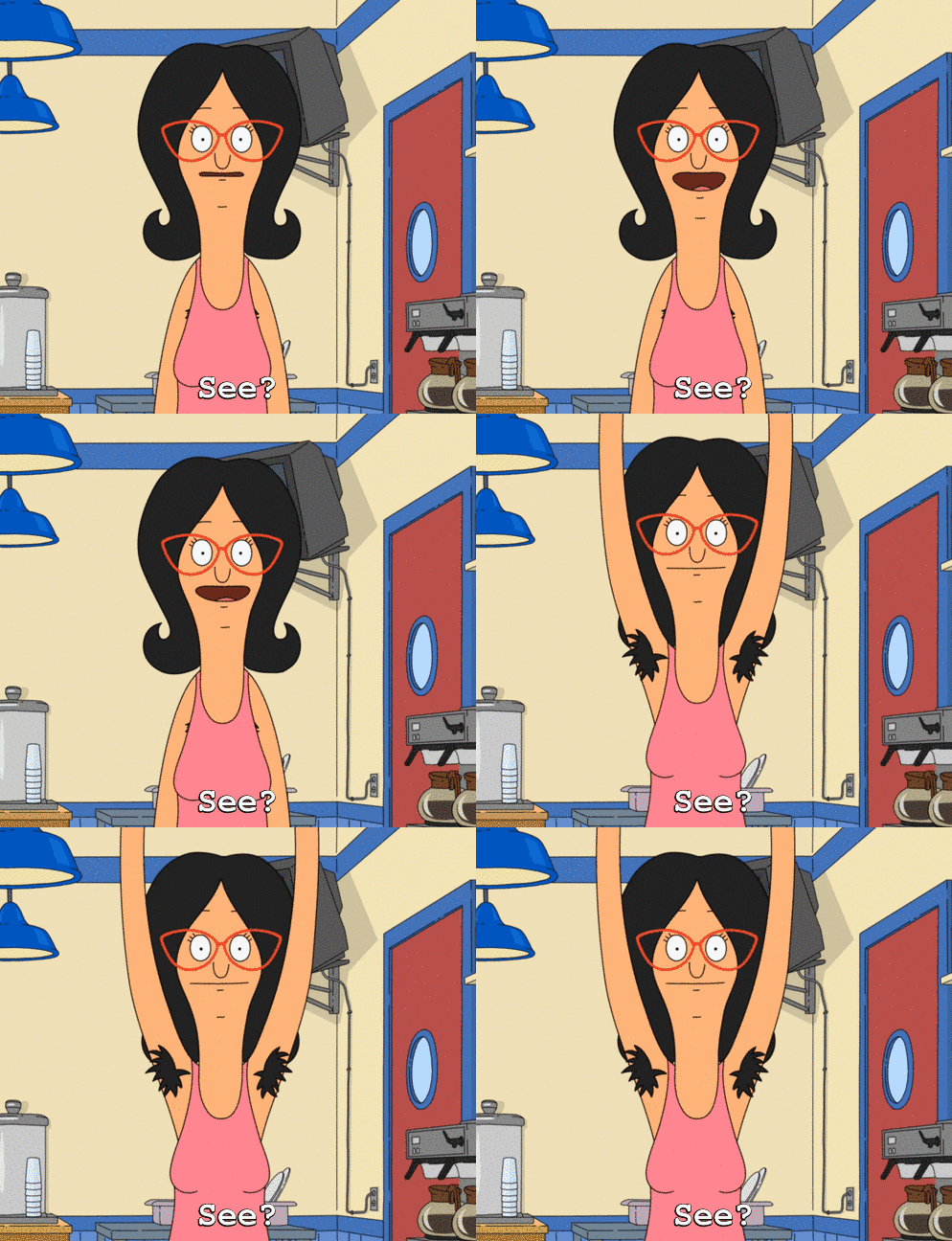
Linda Belcher doesn't have many filters, and she consistently spews feminist advice. Most importantly: Linda gives her children permission to be who they are and stops at nothing to protect her family—even naked dancing all over live television.
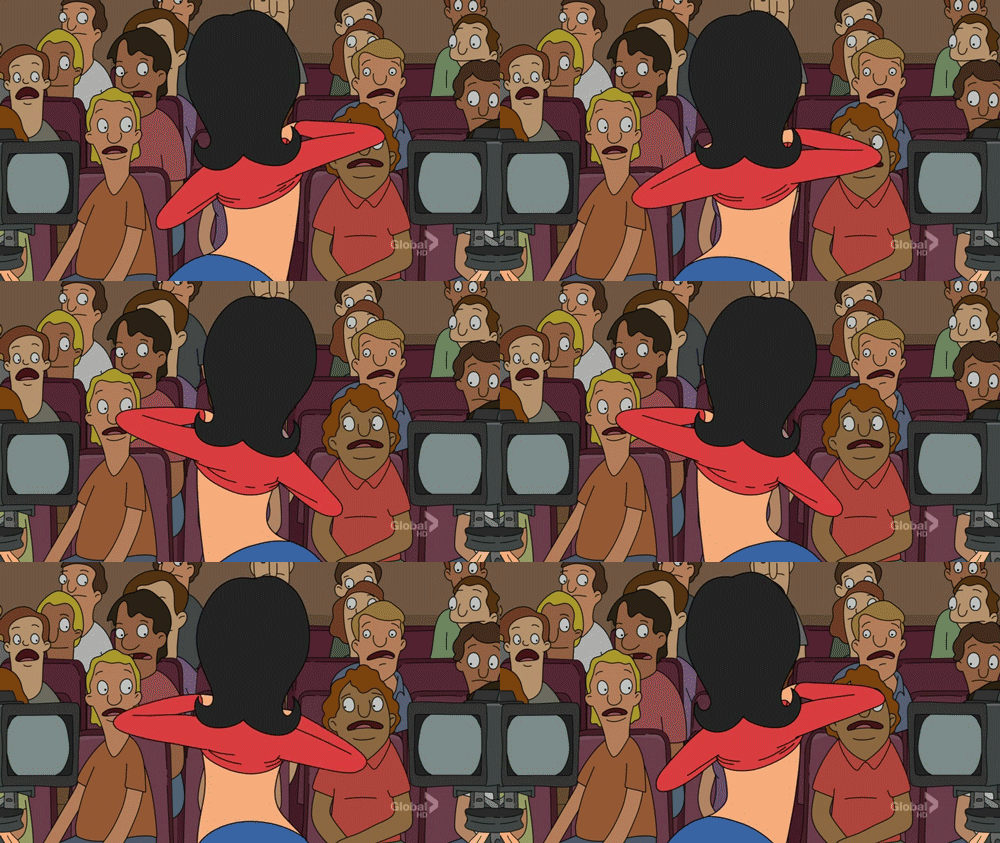
Linda is a completely original character, unlike most stereotypical sitcom moms.
Bob Belcher
Bob always has Linda's back, even when he thinks something is off, like his father-in-law's balloon fetish. Bob and Linda's marriage represents what everyone hopes to have after three kids— a best friend. Bob and Linda switch off doing things for each other, making their relationship stronger. Bob reveals feminism through supporting his wife, and even giving her a strip tease every now and then.
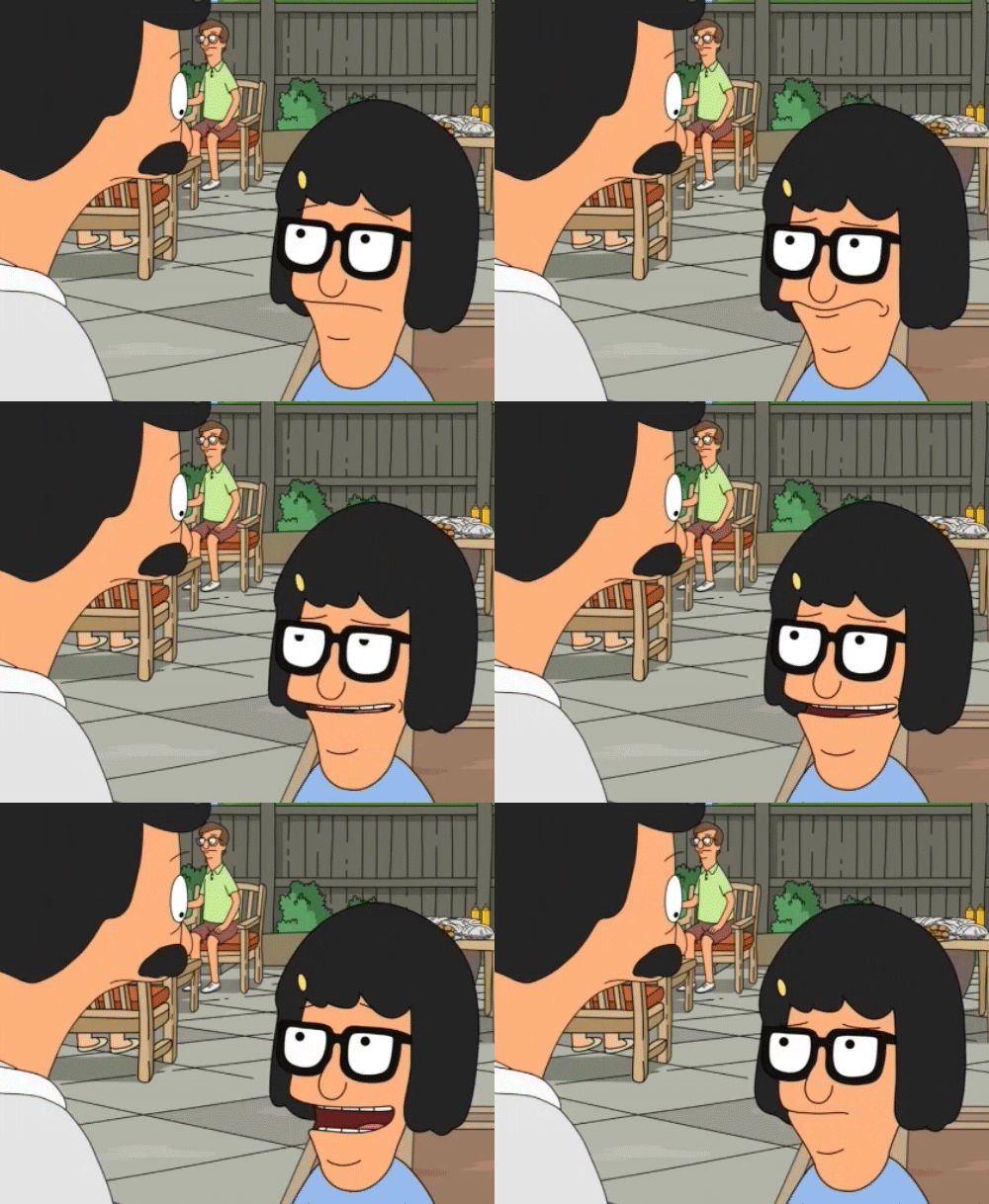
Bob also understands that Tina is going through puberty and that she's just as horny as he was at her age. He understands her desires for what they are. He is empathetic during Tina's mission to kiss Jimmy Pesto. Bob is not a stereotypical protective dad, trying to stop his daughter from dating while implying that his daughter is his property.
Gene Belcher
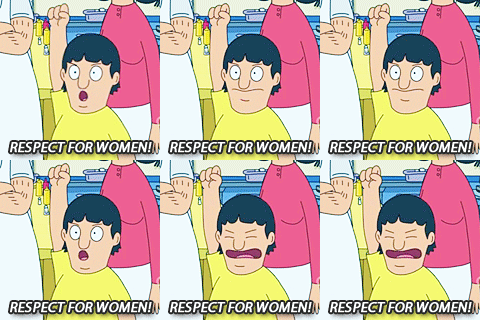
Gene Belcher simply can not be described in words. He is a body positive, wacky little brother, that enjoys tacos and musical fart sounds. The best part about Gene is that he openly embraces femininity and sexual fluidity.
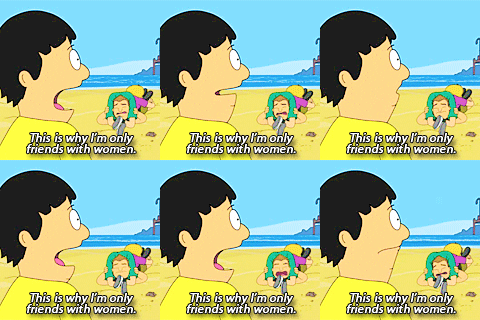
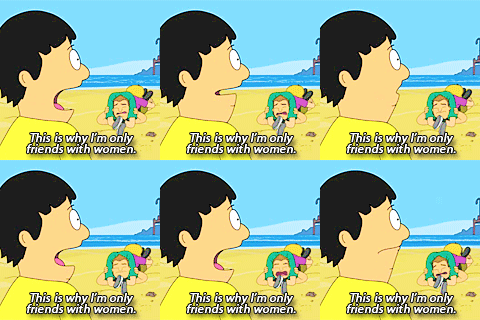
Gene even likes to jab at the sexist "I'm only friends with guys" line that 16-year-old me was so fond of.
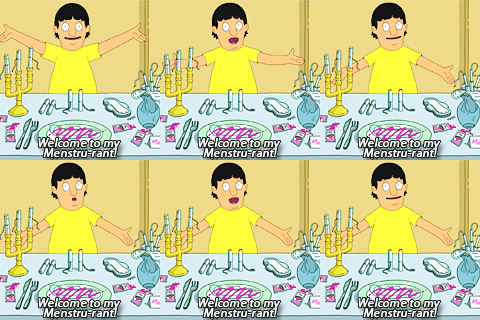
To me, the most amazing feminist aspect of the show is Gene's knowledge of periods. Absolutely no boy was like this in my middle school. If God forbid, my tampon slipped slightly out of my sleeve on my way to the bathroom, the whole room would be instantly horrified. However, Gene uses tampons and pads in order to one-up his opponent's space-themed table at the national table setting competition.
Louise Belcher
Louise Belcher has the least amount of feminism out of all of the characters in the show. However, Louise is only nine-years-old and is constantly breaking gender norms. She is strong, sarcastic, and constantly causing mayhem.