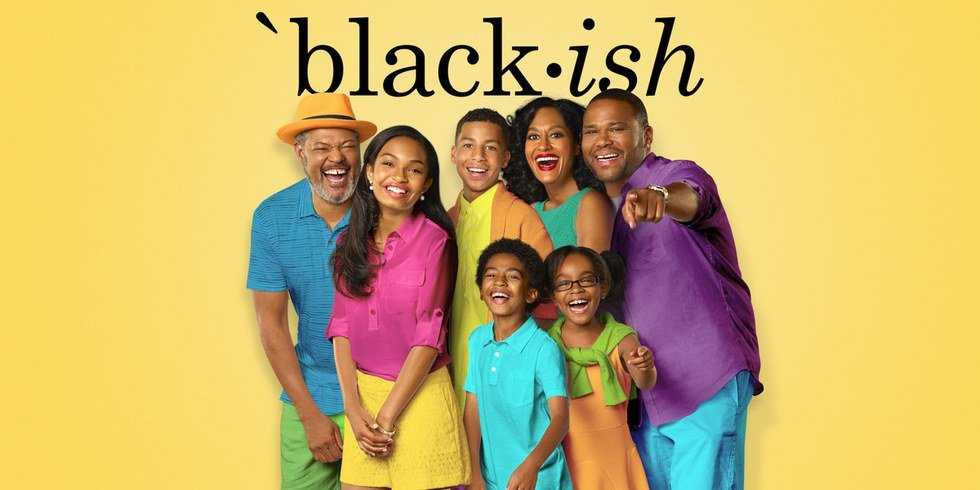
To start off this article I’m going give a huge congratulations to Anthony Anderson and the rest of the "Blackish" cast on creating what may be the best series on TV.
If you have been living under a rock (or just don’t watch cable television) I’ll give you a quick rundown of the basic plot. Anthony Anderson plays an upper-middle-class dad, Andre, who is married to his wife, Bow, and has four kids: Junior, Zoey, Diane and Jack. Each episode of the show follows the stereotypical plot; you know the dad or member of the family gets into some comical situation and ends with them having to solve it. Every episode also includes a comedic secondary plot that follows another family member as they navigate life. The show is very formulaic, however, the twist about it is the fact that it is unapologetically honest.
Most of the comedy from this prime-time gem are the fact that Andre often has to balance being a black man in a white world. That’s right folks, I’m going to talk about race a little, and "Blackish" is giving me the platform to do so.
Andre is a successful ad executive who is married to a doctor, who’s kids attend private school. He is well off and often can go out and buy what he wants. The one thing that constantly plagues him is the fact that to get to his station (you know the whole American dream thing) he feels that he lost a little bit of his culture and thus his family is only blackish. Each episode revolves around him having to fight some stereotype or explain something about black culture to the people around him. The constant struggle of someone trying to maintain their culture in a world where it isn’t always accepted or understood is refreshing and it this close to home.
Andre and his family are identifiable and open up a view of black culture to the world that isn’t often seen. Shows like "Empire" (nothing against "Empire" because that’s truly my show) or the Tyler Perry series of movies open up a very stereotypical view of black culture that gets annoying after a while. When you have to answer questions like “You don’t rap” or “Your grandmother isn’t a sassy independent black woman who don’t need no man?” get taxing very taxing after a while.
The view that "Blackish" opens is great because, well surprise, black people don’t all rap and do the arbitrary list of stereotypes that I know you’re thinking in your head. We are just like everyone else: we want the same things and come in different shades (someone cue a light skin vs dark skin joke) and don’t all need to be pigeon holed into the same small category.
Aside from the comedy, I gained a major respect for the show when it used it’s national platform to talk about police brutality. In the latest episode, which address this national hot button issue, the family is rocked and in the end Anderson is awarded the opportunity to perform a wonderful monologue about hope. The entire episode themes on black youth and how they handle the police, especially when given “the talk” by parents is something that I lived through so I guess that’s why I love the show.
The simple micro-transgressions on race, the backhanded compliments, the things I have lived through that the characters take in stride, call out to me. It shows that the hidden parts of my culture are just as worthy and entertaining as the spotlighted ones. Don’t get me wrong, I love the unique traits that define the melanin in my skin, but seeing it expressed in a different albeit fictional way is something I and a lot of others have been looking for. The show is charming, witty and full of heart. The characters are real and relatable (because let’s be honest, anyone who knows me personally would agree that I am Junior) and remind me of my family. Above all else this show proves to me and others that it’s okay to be blackish.