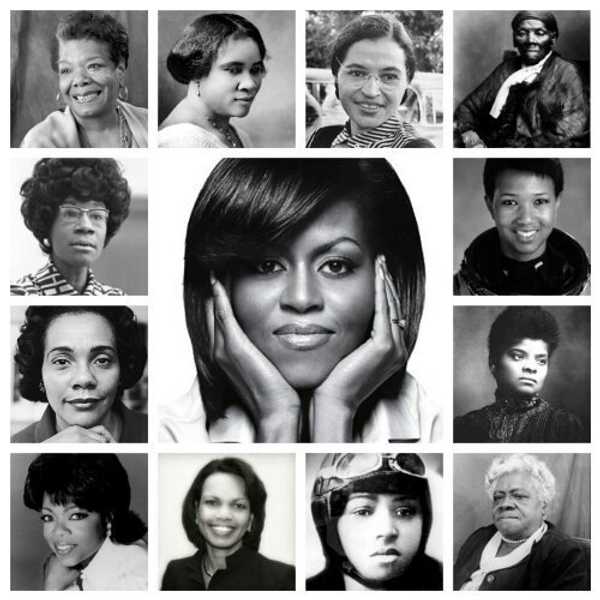
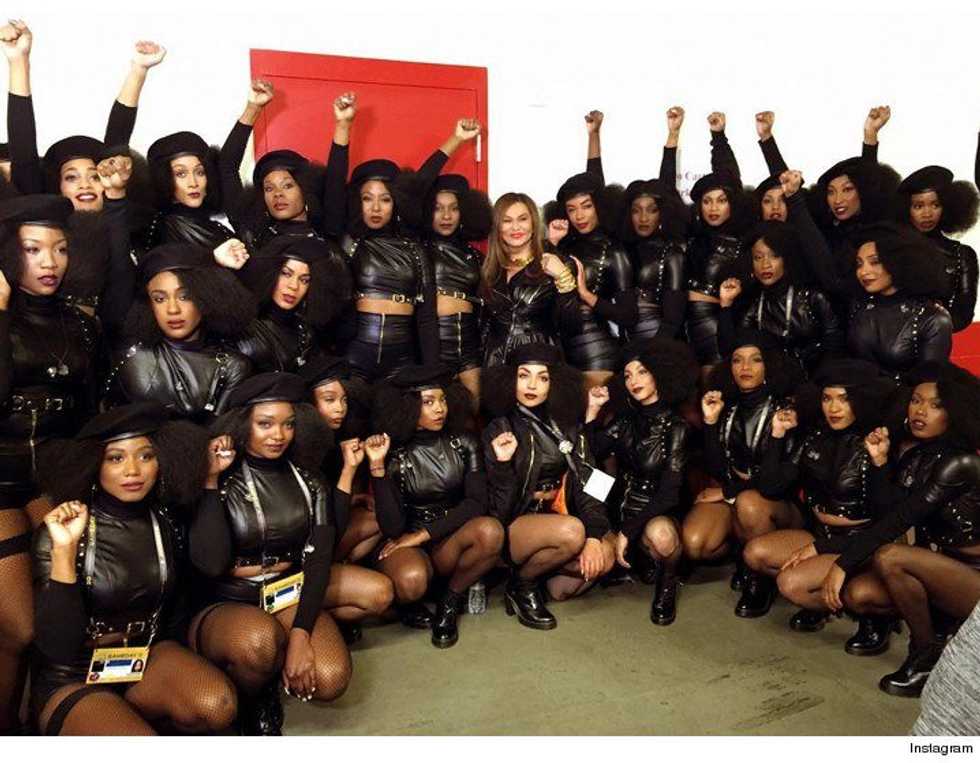
As Black History month continues with the reflection on great leaders that have positively impacted our society and the world over, there is still a theme of seclusion that persists: the list is too often male focused, leaving female leaders who took on just as much of the struggle, if not more, unnamed and painted as behind the scenes characters. This prevents us from obtaining a wholesome view of our history, and also adds to the extensive issue of sexism that exist within our society. With that being said, here is a list of seven amazing black women that no one ever talks about.
1. Alice Walker
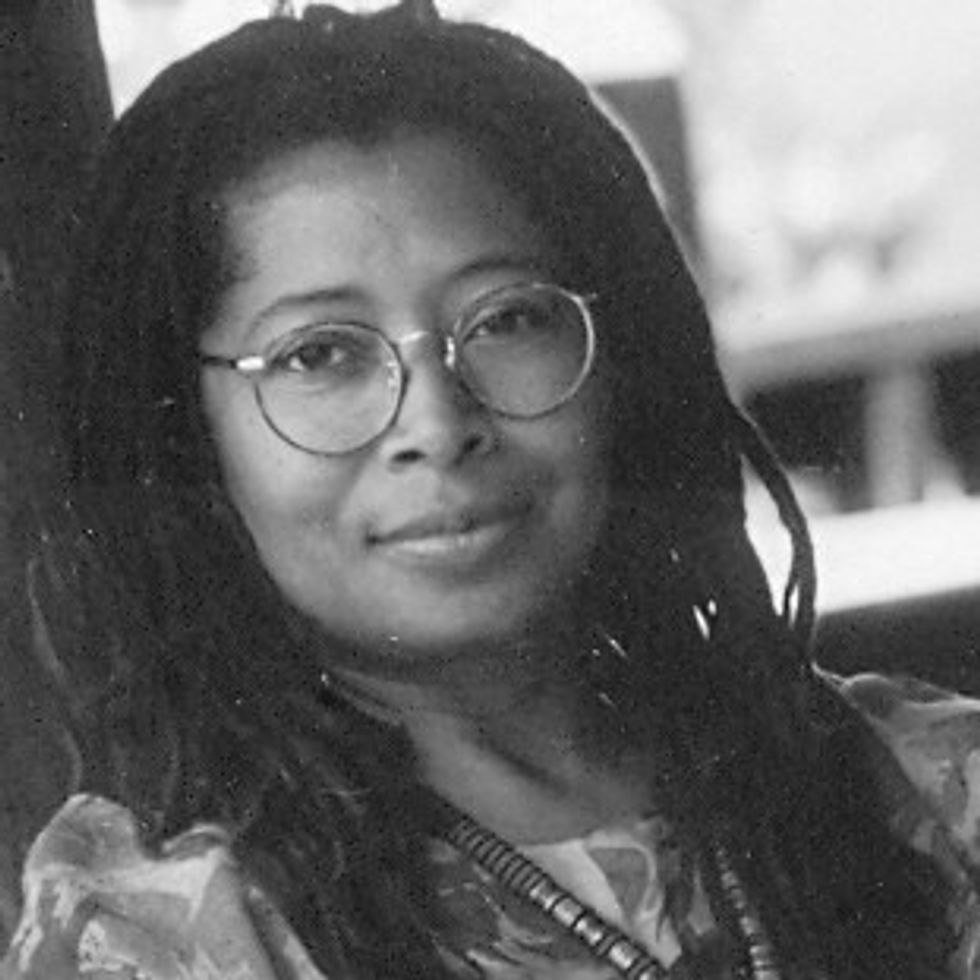
Alice Walker took part in the 1960s Civil rights Movement and also worked as a social worker, a teacher and a lecturer. She is most known for her book, "The Color Purple," which won the Pulitzer Prize for Fiction, deeming her one of the most trailblazing writers of our time. Walker has also been a prominent voice in feminism, coining the term "womanism." She and her husband, Mevlyn Roseman Leventhal, a Jewish civil rights leader, became the first interracial couple to legally marry in Mississippi in 1967.
2. Bessie Coleman 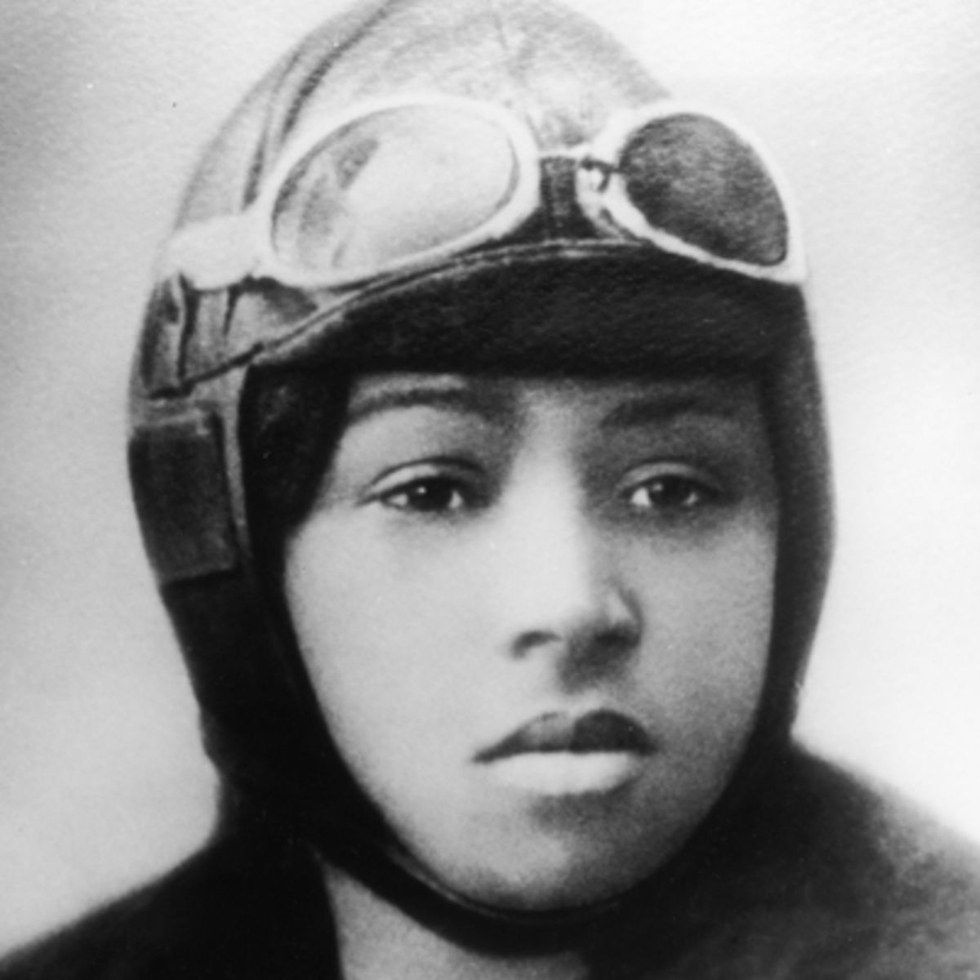
Bessie Coleman was the first black woman to receive a pilot's license. After being denied entry to America's flying schools, she taught herself French and moved to France, where she attended France's prestigious Cauldron Brothers School of Aviation and earned her flying license in just seven months. Specializing in stunt flying and parachuting, Coleman also became the first black woman to conduct a public flight in America.
3. Cicely Tyson
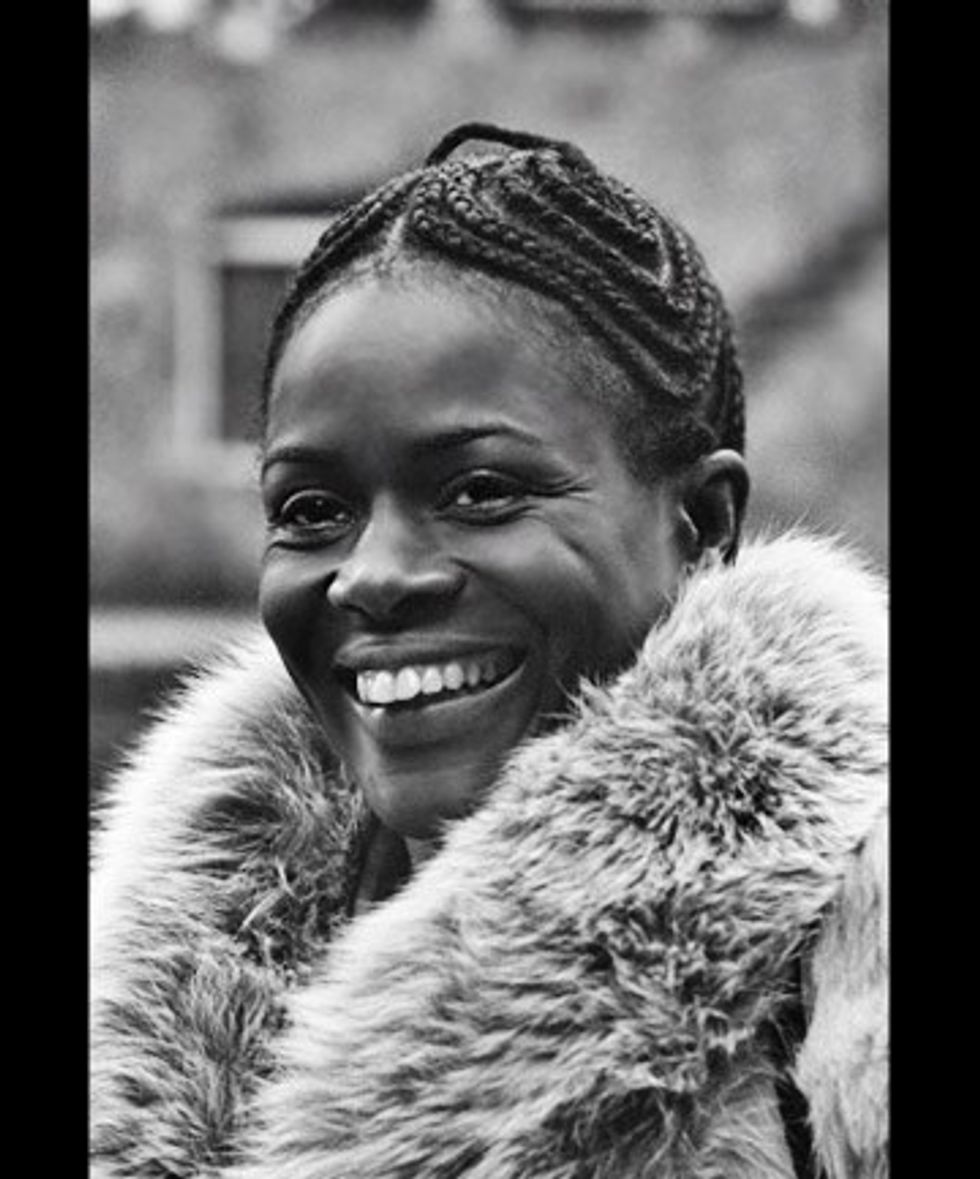
Kicked out of her home for choosing a life of acting, Cicely Tyson went on to become one of the best actresses of our time. Highly aware and respectful of the platform that she stands on, she has lived through her career choosing to send only positive messages to women of color, steering clear of "blaxploitation" films. Tyson also co-founded the Dance Theater of Harlem, and has received plenty of prestigious awards, including the NAACP's 95th Spingarn Medal, an award given to African-Americans who have reached admirable levels of achievement.
4. Claudette Colvin
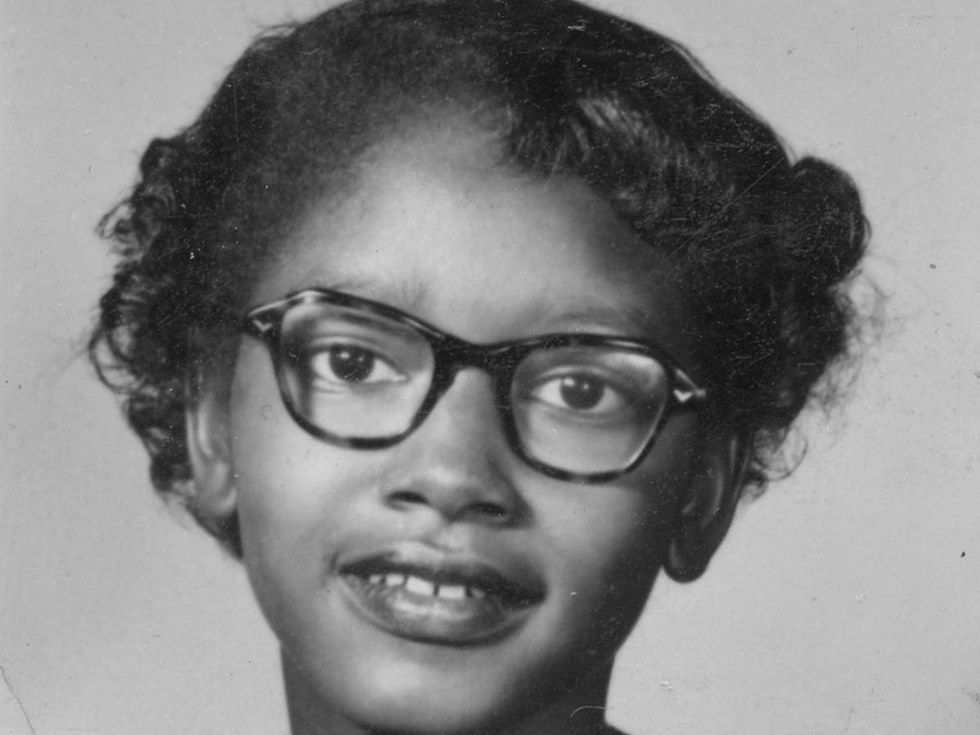
On March 2, 1955, Claudette Colvin became the first black woman to refuse her seat on the bus to a white passenger, even before Rosa Parks. The NAACP debated using Colvin's case to challenge segregation laws, but eventually refused being that she was young, pregnant and unwed. They feared it would too much negative attention. Colvin went on to become a plaintiff, alongside three other women, in Browder vs. Gayle, a landmark court case which challenged Montgomery and Alabama laws that segregated buses. She bravely testified in court.
5. Henrietta Lacks
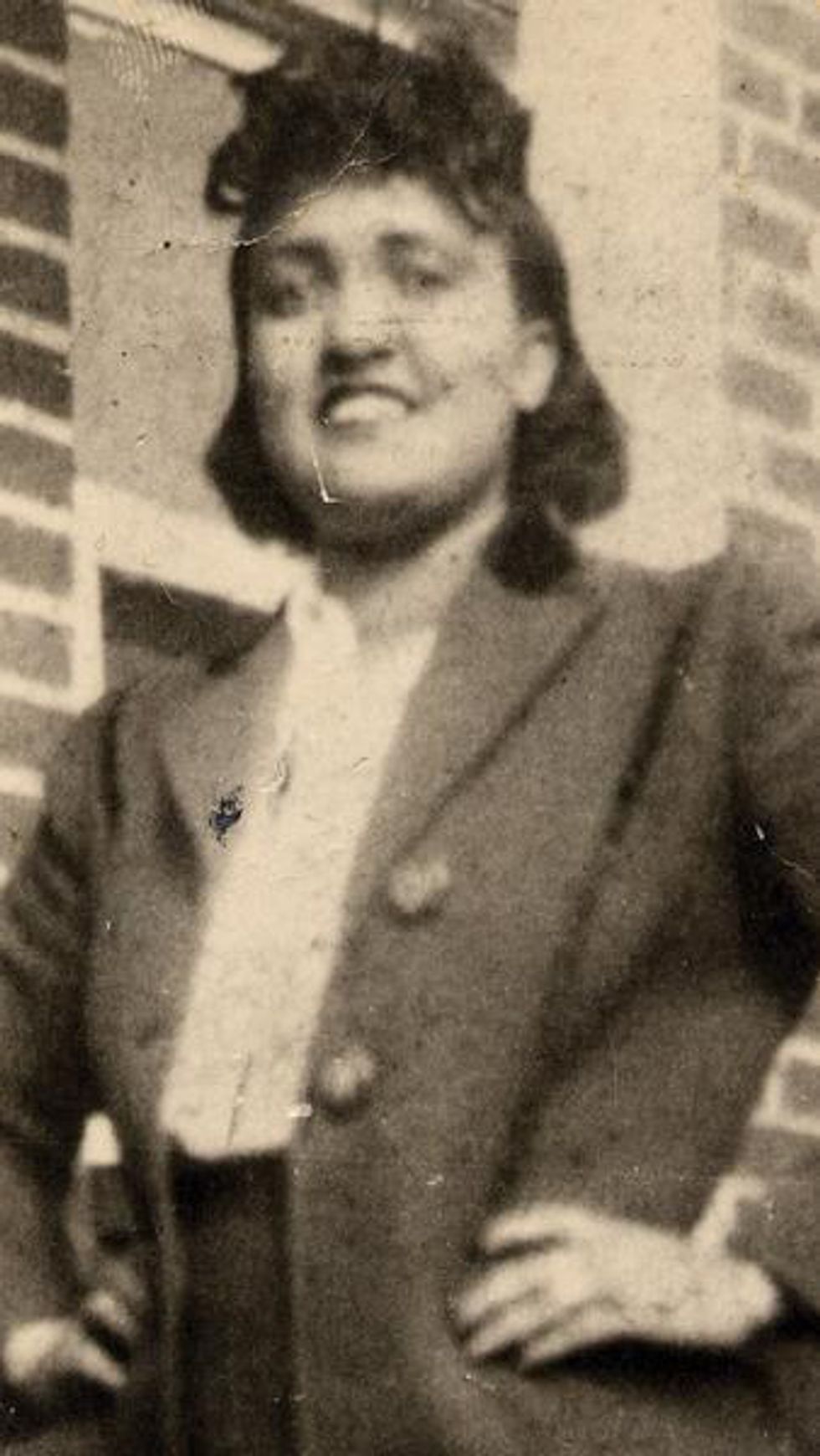
Henrietta was diagnosed with cervical cancer in 1951. During her treatment at John Hopkins, doctors removed two cells from Lacks without her knowledge or consent. These cells, named HeLa cells, were found to be stronger than most cells used in research and were multiplied to create and "immortal cell" line. These HeLa cells have revolutionized medical research, and even led to the discovery of the Polio vaccine.
6. Fannie Lou Hamer
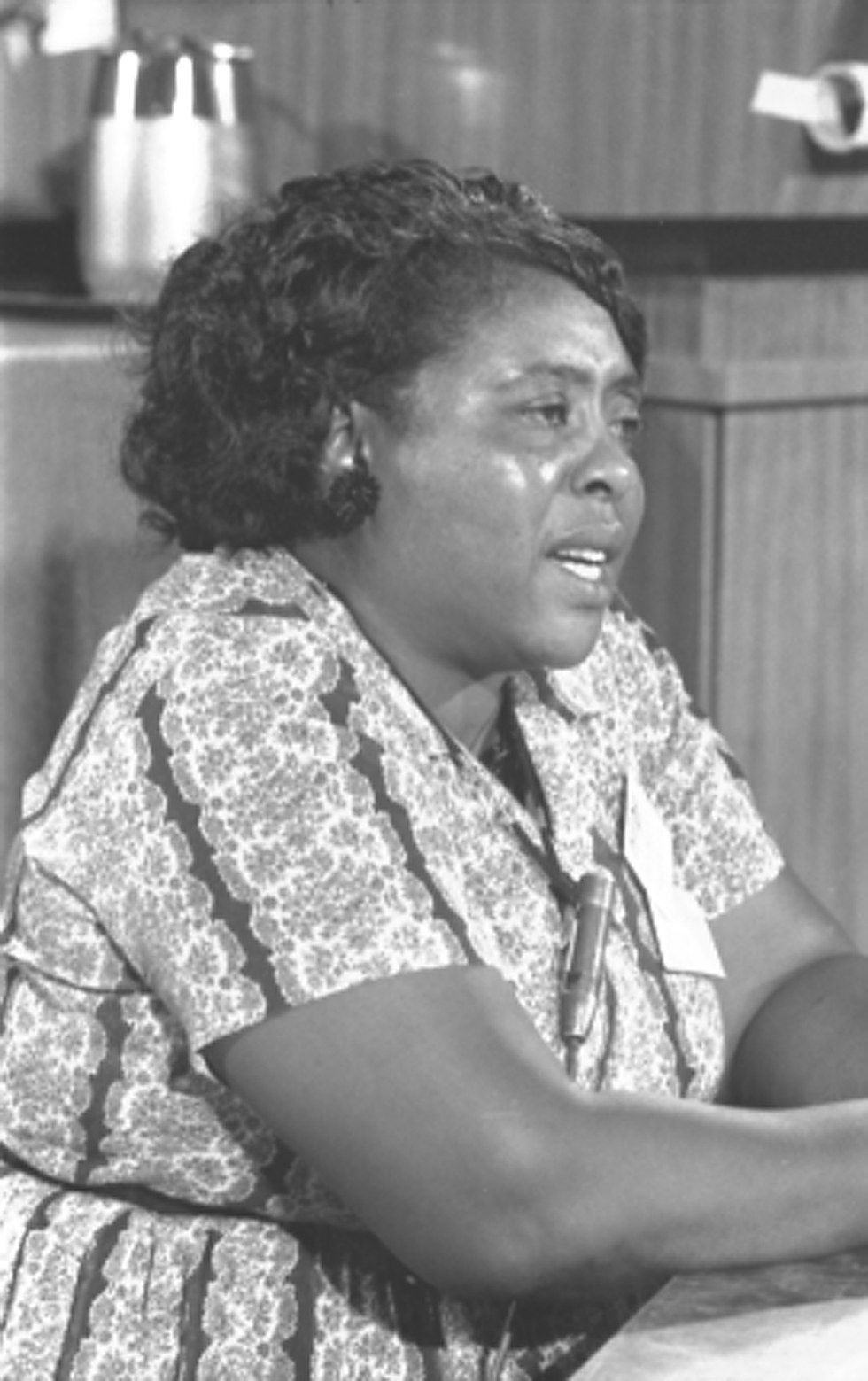
Fannie Lou Hamer, in 1967, along with a small group of African Americans in Montgomery County, Mississippi, registered to vote. For this decision, she was fired from her job and driven away from the plantation she had lived on for close to 20 years. Hamer dedicated her life to civil rights work and worked for the Student Nonviolent Coordinating Committee. She is most known for her quote," I am sick and tired of being sick and tired." which is also written on her tombstone.
7. Ida B. Wells
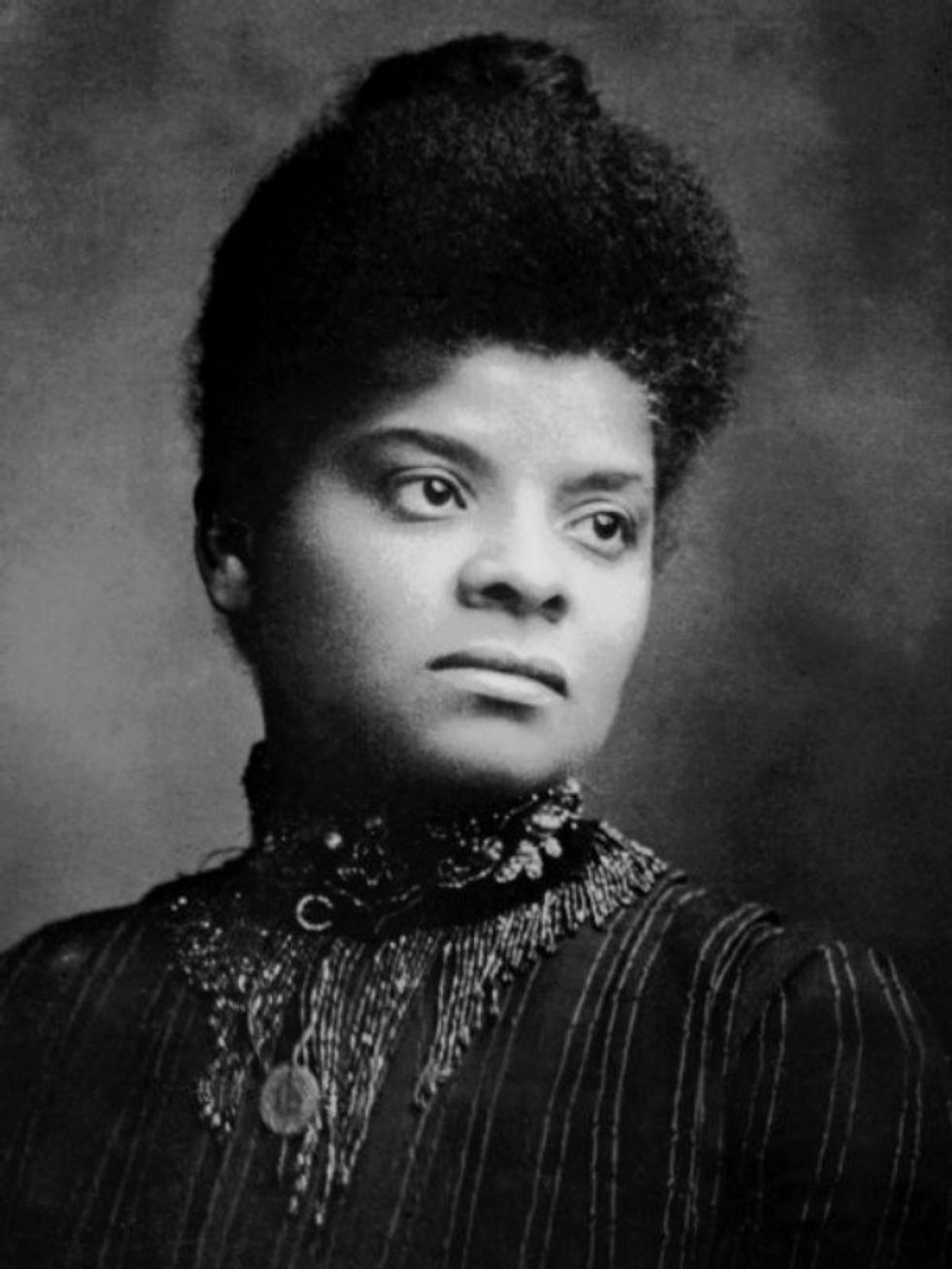
Working as a journalist, a publisher and teacher in a segregated public school in Memphis, Ida B. Wells became an active voice in the push towards black’s only schools. Following the lynching of a close friend, she traveled south, gathered information on other lynchings, and wrote editorials on what she saw. Wells brought up an anti-lynching campaign to the White House in 1898, leading a protest in Washington, D.C, and calling for President William Mckingley to make reforms. She also formed the NAACP, began the first African-American kindergarten and fought for women's suffrage.