
Did you know that Mattel’s 12 inch Barbie doll has a waist size of 3.5 inches (8.75cm) and a hip size of 5.5 inches (14cm)? (Measurements by Susan Kramer)
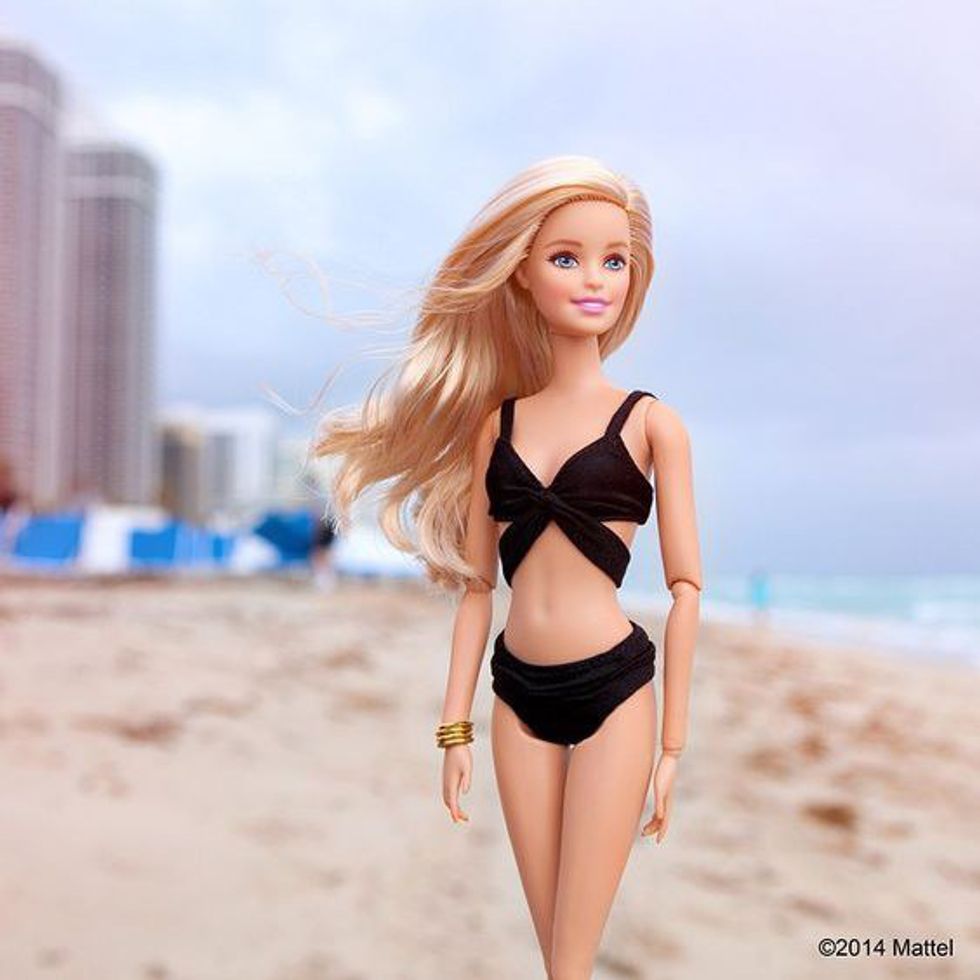
Little girls in the world have been idolizing this plastic doll for over 57 years. A plastic doll that doesn’t catch the essence of a real size woman (and lets not talk about Barbie’s luxurious lifestyle). In fact, according to New York Times report, black women measure, on average a 37-inch waist and 46-inch hip (which is way beyond industry standards of 27-inch waist, and 37.5-inch hip).
That’s why black women will never be Barbie, however that doesn’t mean a lot of women aren’t trying with daily waist-training and crazy diets. Now, I’m not saying that black women can’t have the Barbie lifestyle because I’m not going to lie I try to live that idealized upscale lifestyle every day, even going as far as surrounding myself with affluent friends. My mom always said if you want to be rich think rich and surround yourself with rich people. But I digress, the huge aim of this article is to discuss how America for almost 6 decades has supported a trend that doesn’t create like bodied dolls for REAL women.
I want my future children whether it be girls or boys to understand that they don’t have to and will never look like a Barbie or Ken. I believe that it is imperative that we teach our children and if required our children’s friends that the perfect body doesn’t exist. I want my daughter to avoid looking in the mirror and grabbing invisible love handles that are actually her hips and body shaming herself because she doesn’t look thin enough.
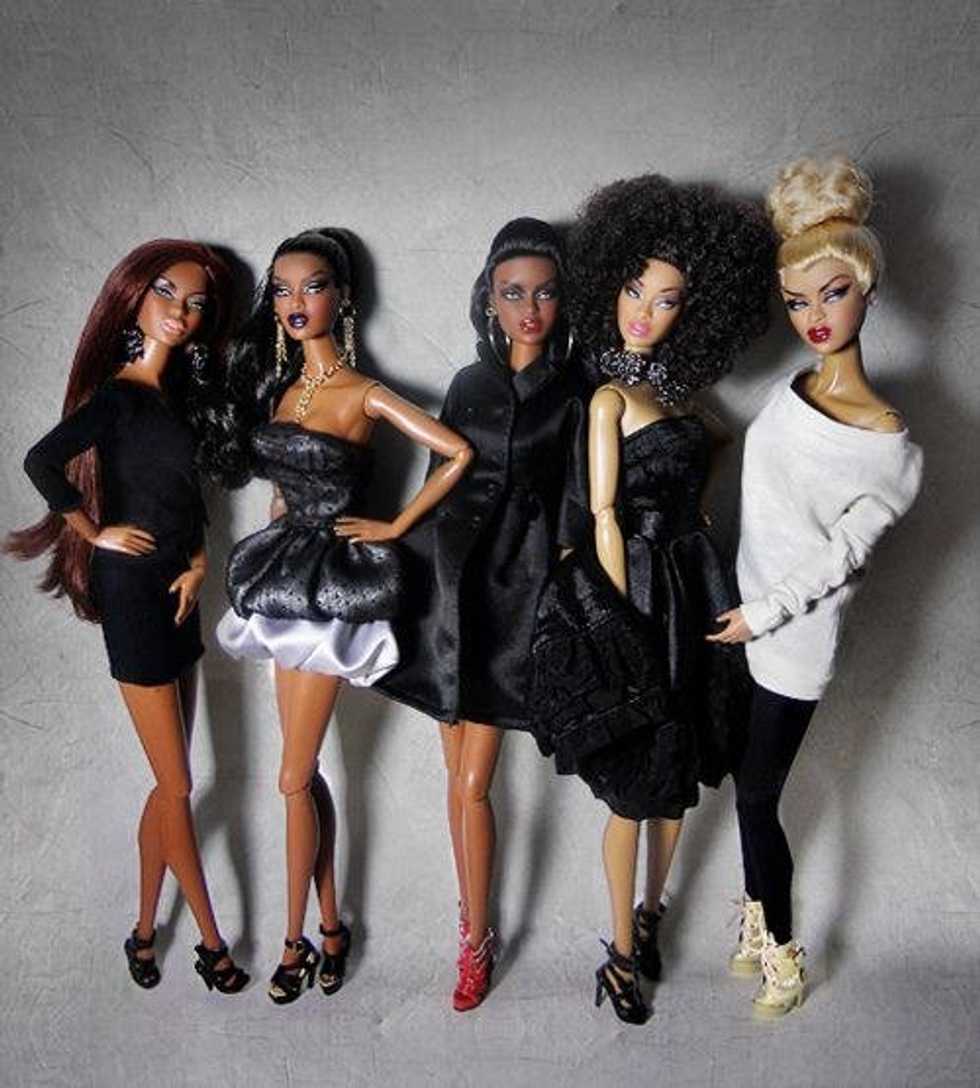
I know, Mattel has tried to incorporate minorities in the Barbie world, however, that’s beside the point. If toys are meant to reflect humankind, we need them to look at least like the average human, with a range of all colors, shapes, and sizes.
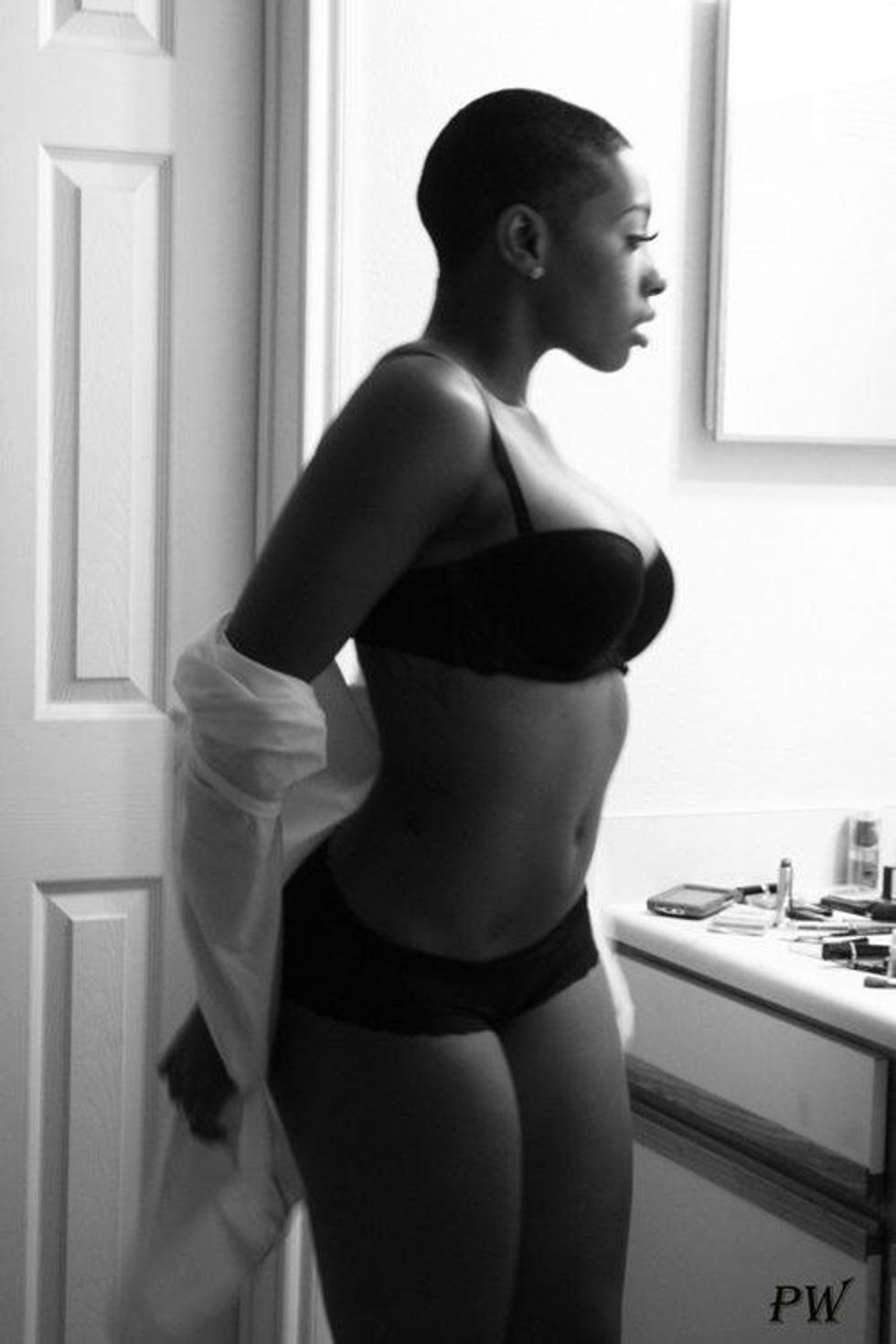
If they made a black Barbie her average height would be 64 inches (5 ft 4 inches) with a 43-inch bust, 37-inch waist, and 46-inch hip. This beautiful Barbie will come in a range of complexions because black is just that various. She would have a BELIEVABLE life style as any other Barbie would. Quite surprisingly, just because Black women are least likely to be married they’re not the highest percentage to be with kids and receiving government assistant neither so they can have a believable comfortable lifestyle if not luxurious.
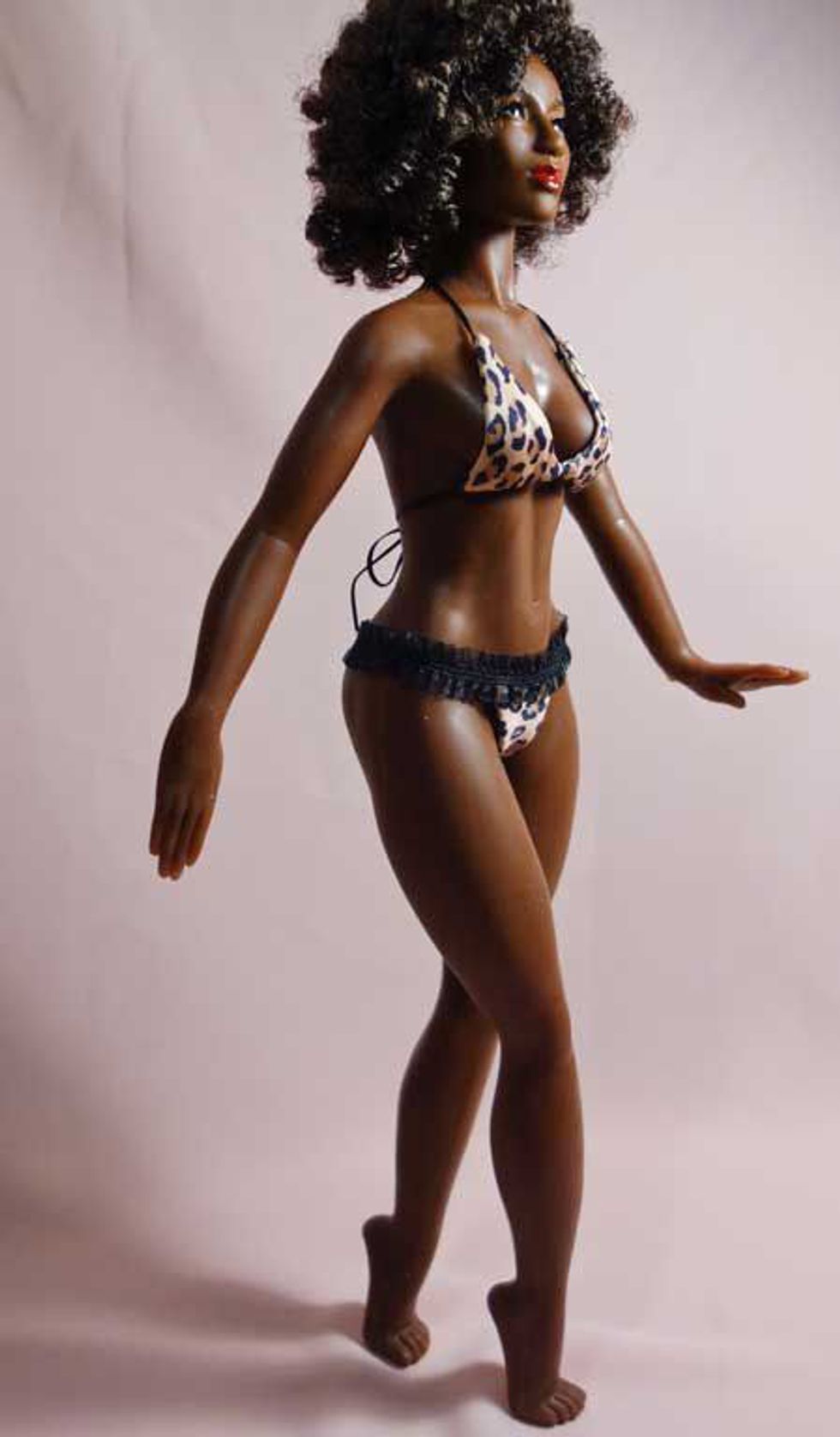
It’s time that we abandon the white-as-normative and the thin-as-normative ideals and realize that women of all shades and sizes are beautiful and unique to their own person, not everyone of us look alike, but who says there’s one set beauty standard. Hell, if that’s the case no one makes the cut because we will never look like Barbie and live in a Barbie world, so knock that out your dreams and aspirations.
The toy industry needs to wake up along with everyone else in this world and understand that no one will look like Barbie, no matter how hard they try, and there has been those who tried and failed (may the fallen Barbies’ and Kens’ rest in peace) due to unhealthy behaviors and dangerous surgeries.
The Black woman will never look like 1959’s Barbie (the first appearance of Barbie), however, that doesn’t mean that Mattel won’t create one of many Barbies in the future who don’t embody a REAL Black woman with her many ranges of complexions and sizes. The hope is not dead, so I will continue to hope.