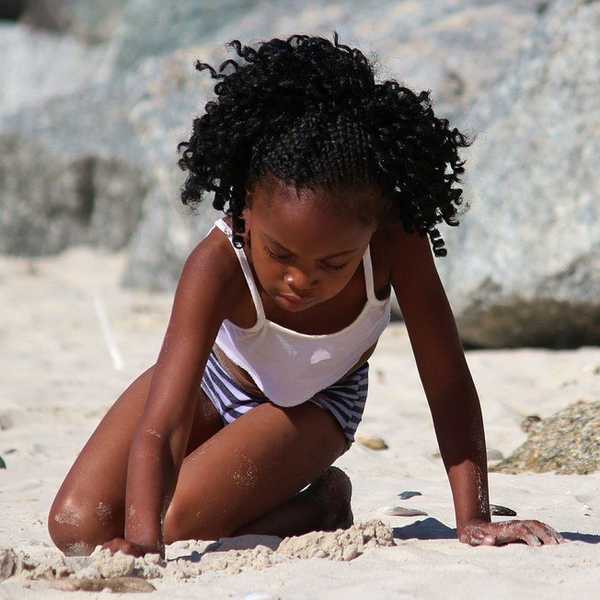
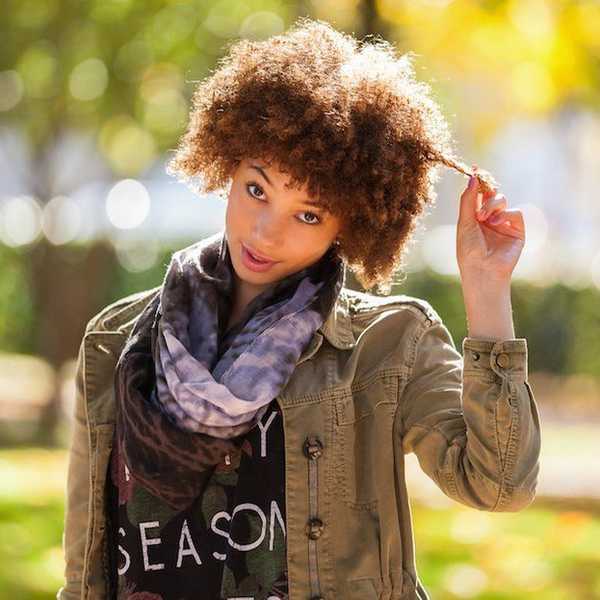
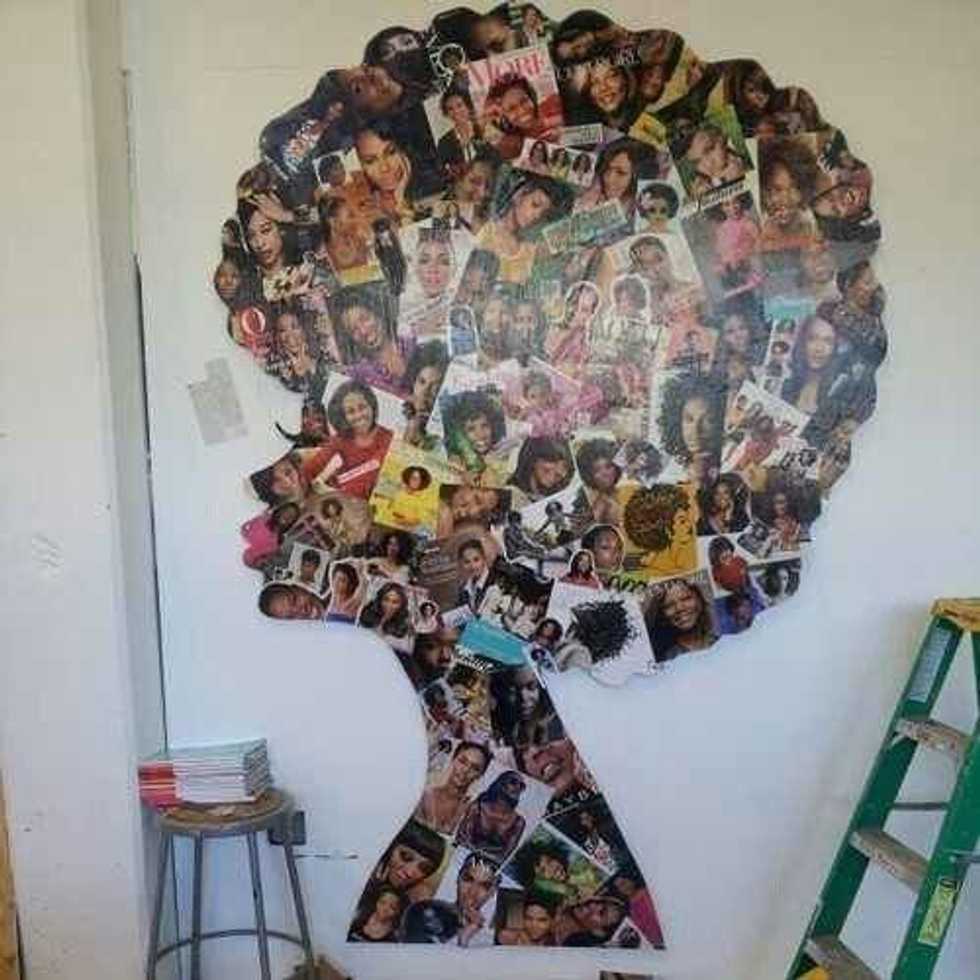
Braids, afros and locs: these are styles designed for Black girls and our hair. We've seen some of the most prominent Black figures sport these styles.

In a new era of Black self-love and acceptance, more and more Black women are moving to the natural hair side of things. In a year where Black people and our culture is being misappropriated and shamed, I believe seeing an outpouring of women joining the natural hair movement speaks directly to our strength and refusal for our roots to be taken, literally and metaphorically. So, what is the natural hair movement? Where did it come from? Why is it important?
One afternoon, I sat in my grandmother's kitchen while my friend interviewed her for a paper she had to write for her African American studies class. My grandmother was 15 when the Civil Rights Movement began in 1954 and was 29 when it ended in 1968. She was alive when Martin Luther King Jr. marched and when Malcolm X spoke. She lived in Washington, D.C. when Dr. King made his famous speech and when the Civil Rights Act was passed. She was there, but the Civil Rights Movement was few among the things my friend asked about. She asked more about her personal experiences. She wanted to know what life was like and how my grandmother changed and evolved through that time. One question in particular was "how did living through the Civil Rights Movement affect you mentally and emotionally?" My grandmother's eyes lit up and she let us know each and everything she was feeling.
One thing she focused on was how she was attacked everyday for having a "ghetto booty" and "nappy hair." She would hide when they went to a white neighborhood because she feared a white person would harass her about the Afro that she thought was groovy. She explained that she would beg her mother to let her straighten her hair to lessen harassment, but her mother refused to teach my grandmother how to appreciate her kinky hair. I was astonished by her revelation because that is often what we as Black girls and women face in 2016, sixty-two years later.
Black women are unique. Our hair is unique. No one has the same curl pattern. No one uses the same product. No one has the same hair care regimen. All of this is beautiful to me. The Natural Hair Movement was designed to allow Black women to love their hair as it naturally grows out of our heads. It's a beautiful marriage between individuality and unity. Across the globe, Black women bond over the movement among other things and the love that each of us shows each other is genuine.

The next time you see a woman with a popping twist out, or someone with box braids that slay, or locs that aren't dreadful, appreciate their stance for the movement. Even if a woman isn't natural, our hair is still something to bond over and love. Remember that we are beautiful and Black hair is something to be proud of. Say it loud, I'm Black and I'm proud.