

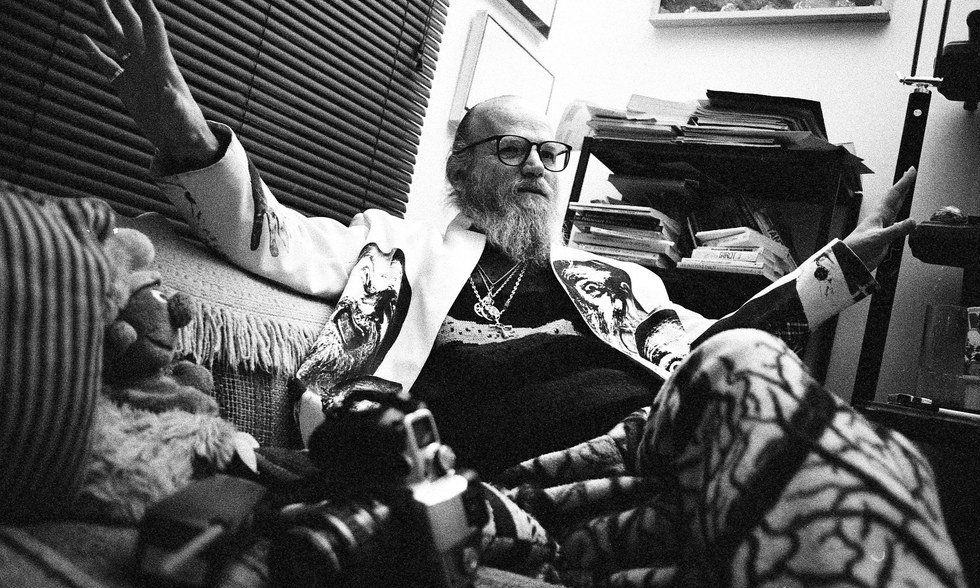
Famed Warhol Factory photographer and archivist Billy Name passed away on July 18 at the age of 76. In an interview with Milk in 2014, Name responds to the emotions felt by looking backing at old photographs:
"When I look at the photos I think about how innocent we were. Everything that was happening was so new and exciting, we really did feel like we were living through a special time. The work we were all doing felt important, not that we thought about it that deeply at the time, but we were really immersed in and believed in what we were doing."
Born William Linich in Poughskeepie, Name rose to prominence as a Warhol superstar of the mid-60s and is credited with transforming Warhol's New York City "Factory" into a silver mirrored, aluminum foil covered studio that served as the breeding grounds for artistic collaboration between a range of artists, namely Andy Warhol's use of screen printing photographs.
Prior to meeting Warhol, Name worked as a lighting designer for the Judson Dance Theater, waiter, and hairdresser. Upon meeting, Warhol was so inspired by Name's own silver foil apartment that he invited him to "silverize" his famous Factory into what Priscilla Frank calls "a space age art installation" liked by many amphetamine users of the time. With no previous interest in photography, Name received a Honeywell Pentax camera from Warhol and thus began a short-lived, six-year era of Name's relationship and eventual move-in with the artist. Glenn O'Brien writes in "Billy Name: The Silver Age" that Name became Warhol's "principal architect and decorator, his secretary, his archivist, his studio manager, security man, night watchman and bouncer, his casting director, his handyman, his photographer, his electrician, his magician. Billy was the one Andy counted on.”
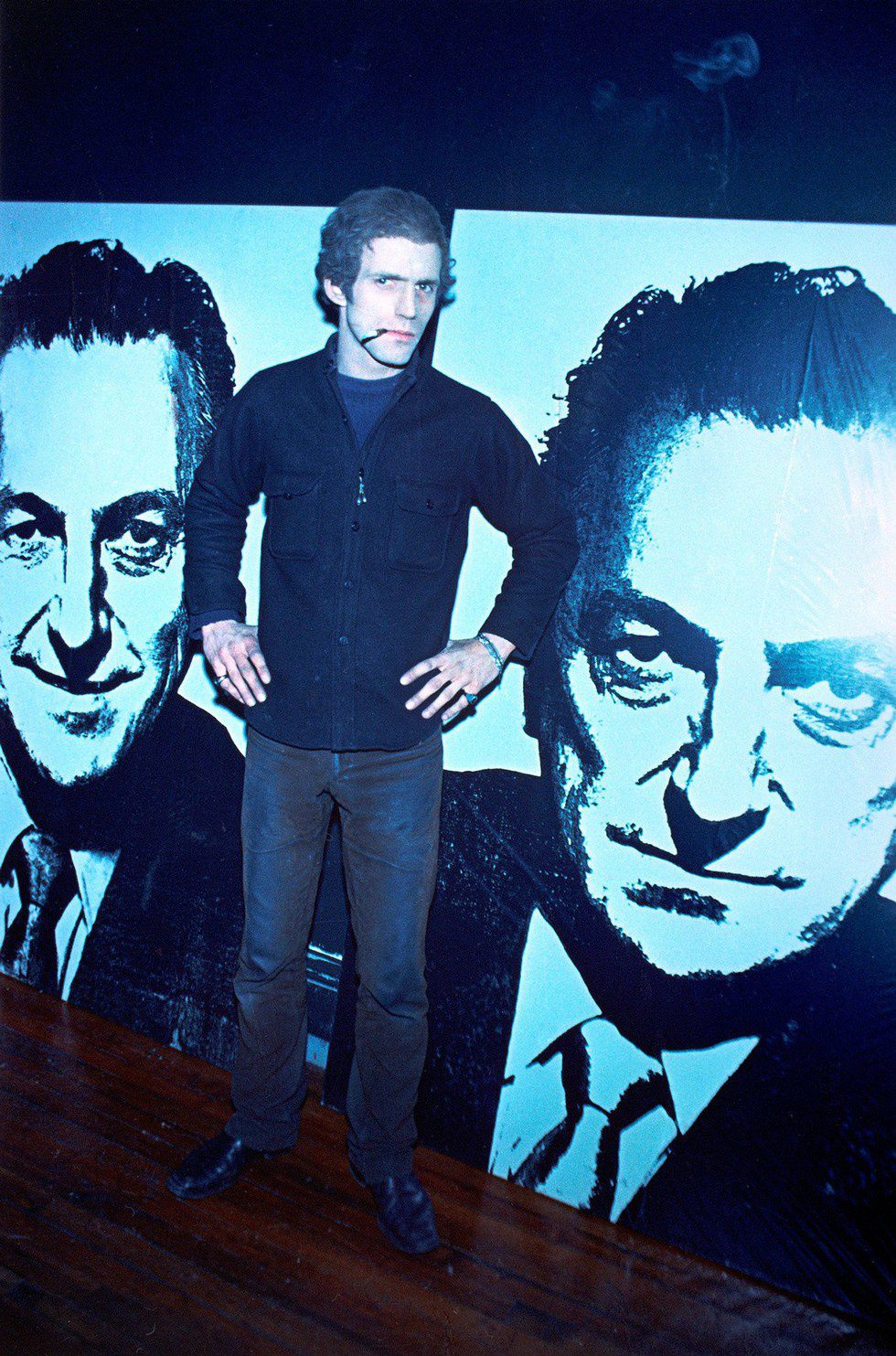
Billy Name Self-Portrait, 1968
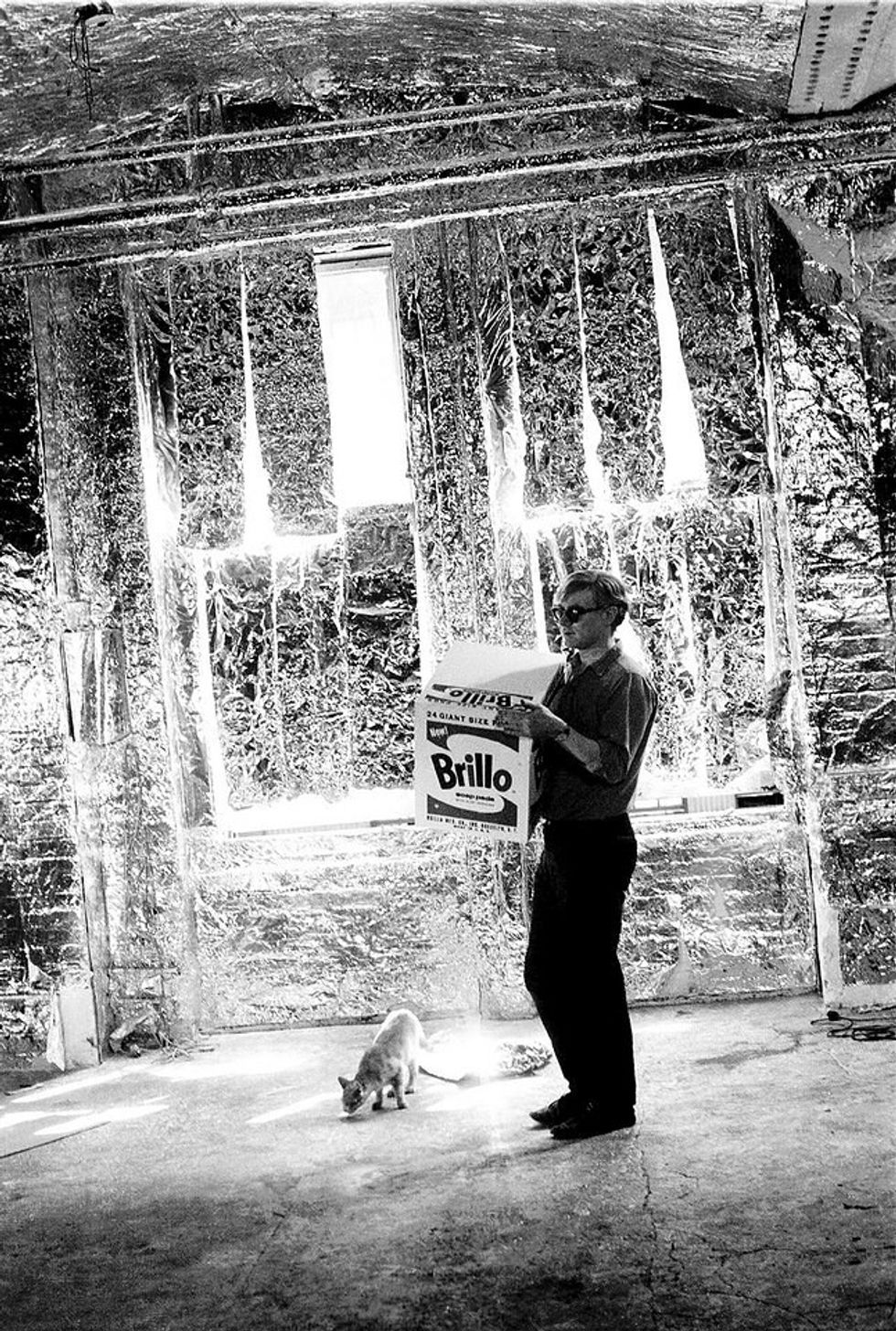
Andy Warhol with a Brillo box and cat by Billy Name, 1964
During his time in the Factory, Name photographed various visitors such as some of Warhol's superstar muses including Edie Sedgwick, The Velvet Underground, Nico, Bob Dylan and Warhol himself. Name captured the inner workings by documenting the daily activities and visitors the Factory welcomed. In the 1980 memoir "POPism," Warhol mentions that "the only things that ever came even close to conveying the look and feel of the Factory then, aside from the movies we shot there, were the still photographs Billy took." He even found and brought in the infamous red couch that became a frequent place for guests to crash for the night, particularly those coming down from speed. Name's experience with theater and lighting set the tone for many of Warhol's early films in the Factory. He became a skilled photographer while living in the Factory, spending countless hours in the darkroom and taught Warhol about lighting design.
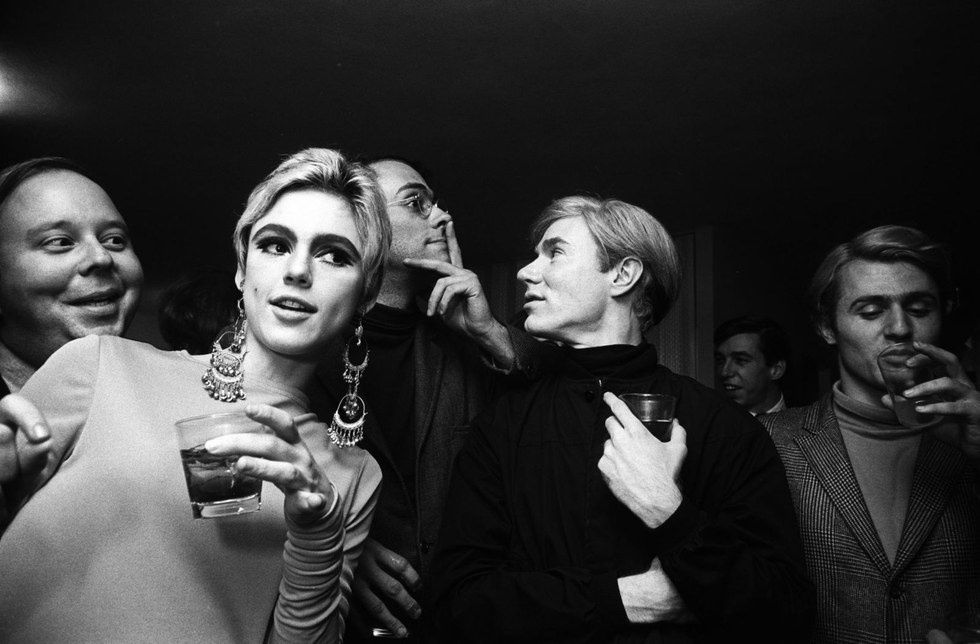
Edie Sedgwick and Andy Warhol by Billy Name
The attempted murder of Warhol in 1968 began the decline of Name's involvement with Warhol and eventual withdrawal from the Factory. After hearing gunshots and witnessing the injured artist in a pool of blood, Name held Warhol in his arms. This traumatizing incident and with the end of the 60s era came a new decade where Name moved to California. Name's last words to Warhol in his farewell letter say, “Dear Andy, I am not here any more, but I am fine. With love, Billy.”
















