



The concepts of "good" and "bad" help us assign values to the things that happen to us so that we better understand how to accept them into our lives and work with them.
Have you ever thought about how subjective these terms are, though? Your good may be someone else's bad, and vice versa. In addition to this, you have no way of determining how an experience will impact you in the long run. Something negative at first may turn positive later as events unfold. If you already think of something as "bad," you may prevent any positives coming from it because you're so focused on making sure the "bad" doesn't have any effects. This could lead to suppressing emotions or missing out on something that could be extremely helpful in your life.
"Good" is a way of saying we will think an experience will have a positive impact in our life, and "bad" is that it will be negative. Everything is inherently meaningless, however, and after something happens we assign some sort of value to it.
Things happen regardless of our opinions of them. But looking at them differently than you may normally is an avenue to learning new ways to handle things in your life.
Next time you have something you'd normally say was bad, try not to call it bad. Losing this can provide the means to strip away the negative impacts surrounded by thinking of that experience as "bad." What you gain from this is a more objective outlook on that and therefore and use it as a beneficial time to learn from what happened and take more positive routes in the future.
For example, you might fail a test. You can sit there thinking its the end of the world. You're a failure and you're never destined to succeed. Or, you can realize that it's one test and won't impact much later on, and accept that sometimes you aren't a perfect student. Then you can look at what you did that may have led you to fail and change what you do for next time. Therefore, you've saved yourself from suffering lingering emotional guilt over the failure and have set yourself up for success in the future.
This seems like a very simple concept, but often people let their emotions get the best of them and dictate how their lives go.
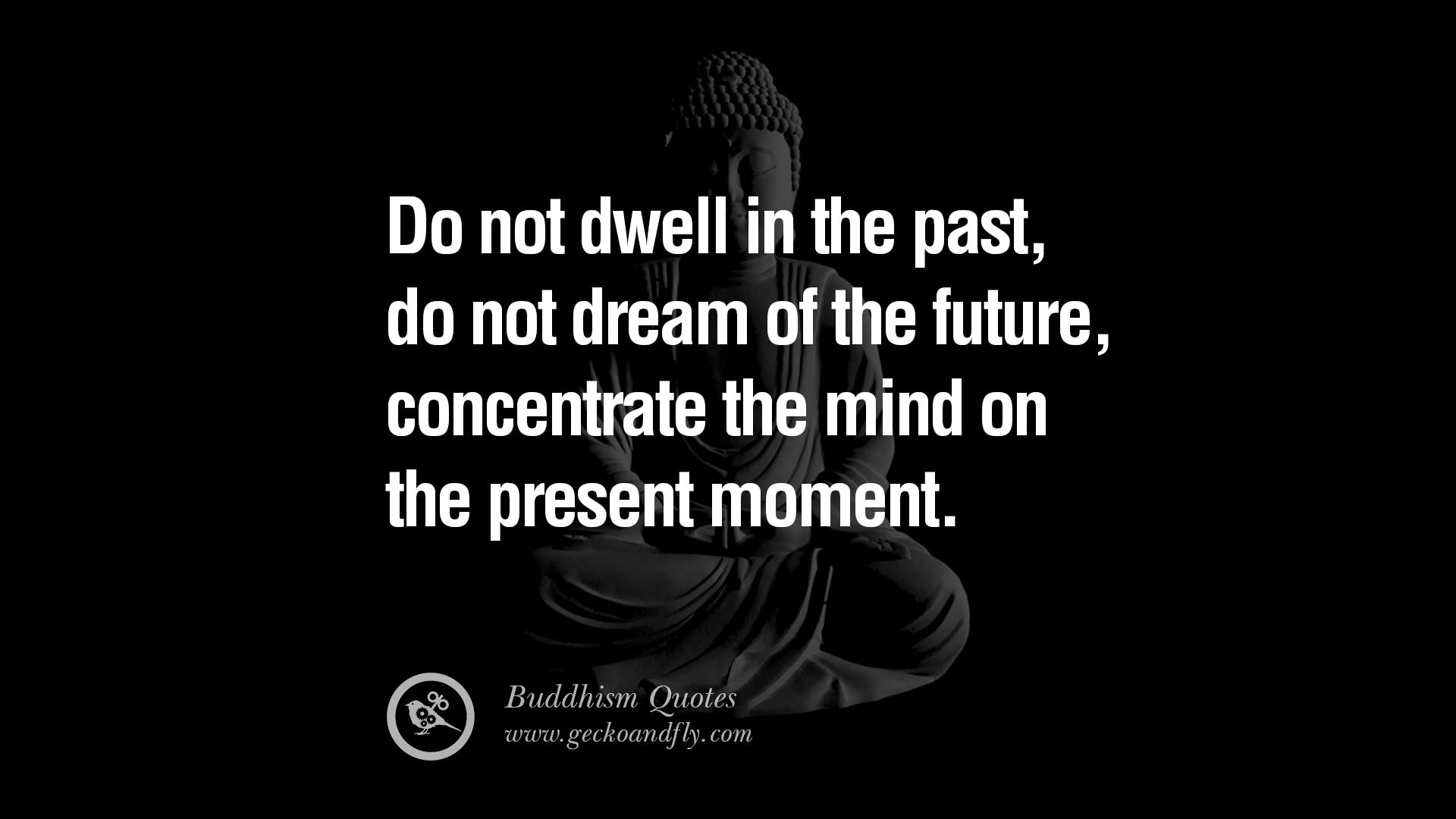
Looking into Buddhism, where the core concept is to end suffering through curbing your desires through the Eightfold Path, is a great place to start learning ways to help improve your mindset. You don't have to be a Buddhist to feel better, but there are very helpful ideas in its teachings, such as the one above, that can lead you to an improved attitude about the world around you.
Now, this isn't to say to not work through your feelings. Everyone has every right to react to something how they do. Whether that's to cry, take a break from people around you, and anything else, you have to process those emotions in whatever way works best for you.
It won't fix your problems, and everything that happens is dependent on the situation. Sometimes there are simply a lot more negatives than positives and you have to work with it. However, it's a change of mindset that can help lessen your worries and move towards an improved future. Sometimes it's the small things that can add up to something big.














