I have been a nerd all of my life.
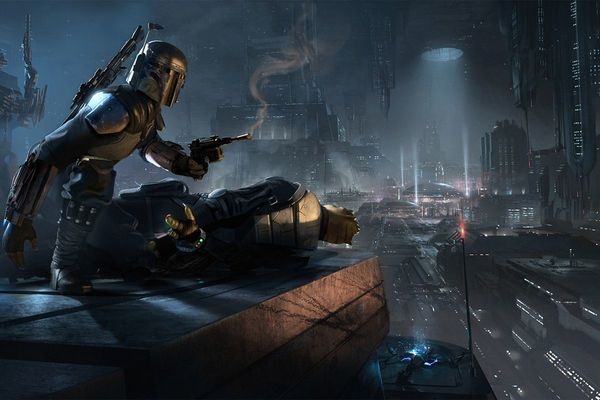
That’s a statement I can’t see anyone objecting to. If you’ve met me, then it’s pretty obvious how nerdy I am. I’m arguably the biggest fan of "Star Wars" among anyone I know, I’ve spent a significant portion of my life obsessing over video games (my favorites being "Zelda" and "Metal Gear Solid"), and I run a blog devoted to critically analyzing the abridged version of a popular anime. To put it simply, I have more nerd cred than I know what to do with, and I’ve loved investing myself in nerddom since I was a little kid.
I have also been a woman all of my life.
That statement, unlike the first, carries a small amount of potential controversy with it, given that I am a transgender woman (it’s thankfully much less dangerous a statement than it used to be, as our culture is becoming more understanding and accepting of trans people). And to the benefit of those who would argue against my womanhood, I have not known all of my life that I was, in fact, a woman. This experience of growing up not knowing my true gender and assuming that I was a man has left me with a unique experience, and as a result, I have gained a deeper understanding of the way one’s gender affects their experience within nerd culture.
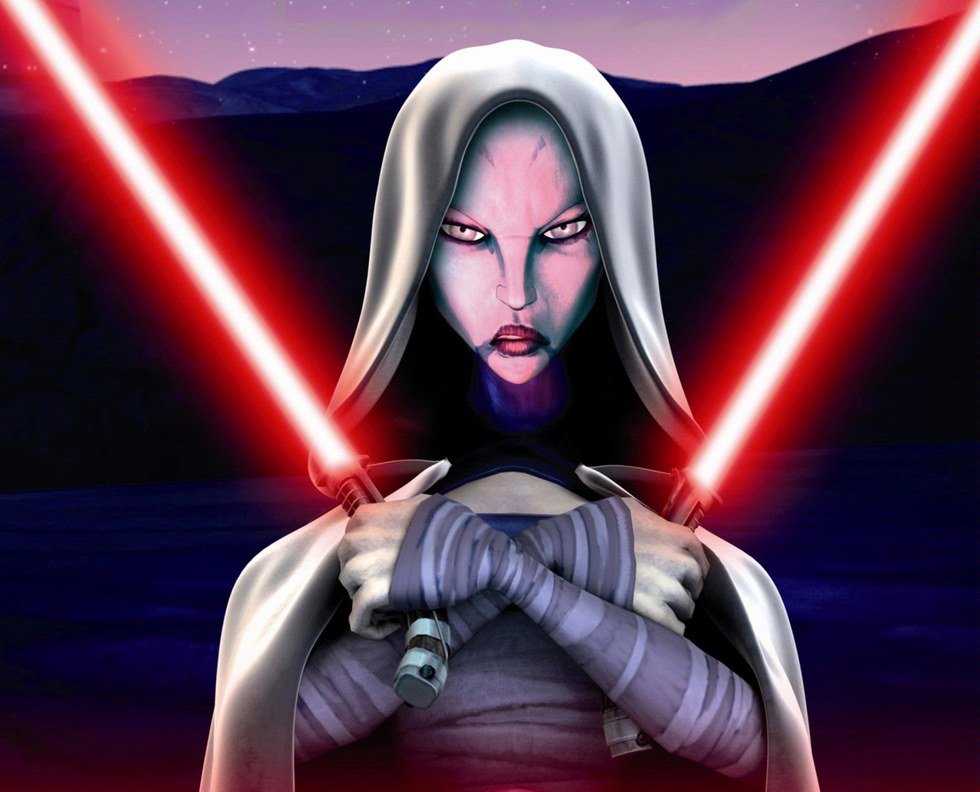
The hold that straight white men have on the role of the protagonist is one of the things I noticed earliest. This, however, did not help me understand my gender identity; it reinforced the idea that women were inferior even though that idea wasn’t something I ever directly vocalized. Of course, I still found myself drawn to the few female characters there were, and Asajj Ventress, a minor character from the "Star Wars" expanded universe, particularly caught my attention, as I could feel a lot of empathy for a woman whose troubled past had led her to embrace the Dark Side of the Force. I quickly found myself rather obsessed with her, and I pored over every bit of media containing her that I could get my hands on, even when her lack of significance outside of the "Clone Wars" animated miniseries meant that most of that obsession was spent rereading her entry on the "Star Wars" Databank*.
Looking back, I see that that obsession arose not only out of a love for Ventress’ character but out of a dire need to see women I could relate to in the media that I loved. Now, given the complex environment that I grew up in, it is unlikely that the inclusion of more women in "Star Wars" would have helped me understand my gender identity earlier (though honestly, who’s to say what could’ve helped), but I can safely say that the inclusion of more women would have helped me feel even more like the "Star Wars" universe belonged to me. And while I don’t spend as much time obsessing over Asajj Ventress as I used to, thanks to “Star Wars: The Clone Wars,” she and the "Star Wars" universe have grown up about as much as I have: While she used to be shown only as a tool of the men who would use her, she’s grown into a woman who abandons these men to live her own life and is attempting to live a good life despite it the hold the Dark Side still has upon her. That version of Ventress, as it happens, is just the type of role model I needed back when I was a youngling.
*Back in the early 2000s, the official "Star Wars" website had a database of professionally written articles summarizing the history of each character and object present in the "Star Wars" universe. It was unfortunately discontinued a while back, but its spirit lives on through Wookieepedia.