
Although as we sit in the comfort of suburbia we can look out of our windows and see no hardship, much of the world faces calamity every single day. Our inability to see this suffering with our own eyes has translated to an inability to care. We feel no personal connection to the 25 people who were killed on Jan. 25 due to Boko Haram shooters in a Cameroon marketplace, so we don’t bother talking about it. It wasn’t our land. They weren’t our people. Our incessant incapacity to see all humans as members of a unified species on a singular planet is killing us. We separate ourselves by race, by religion, by culture, and by country, and we forget that our survival is desperately dependent on each other.
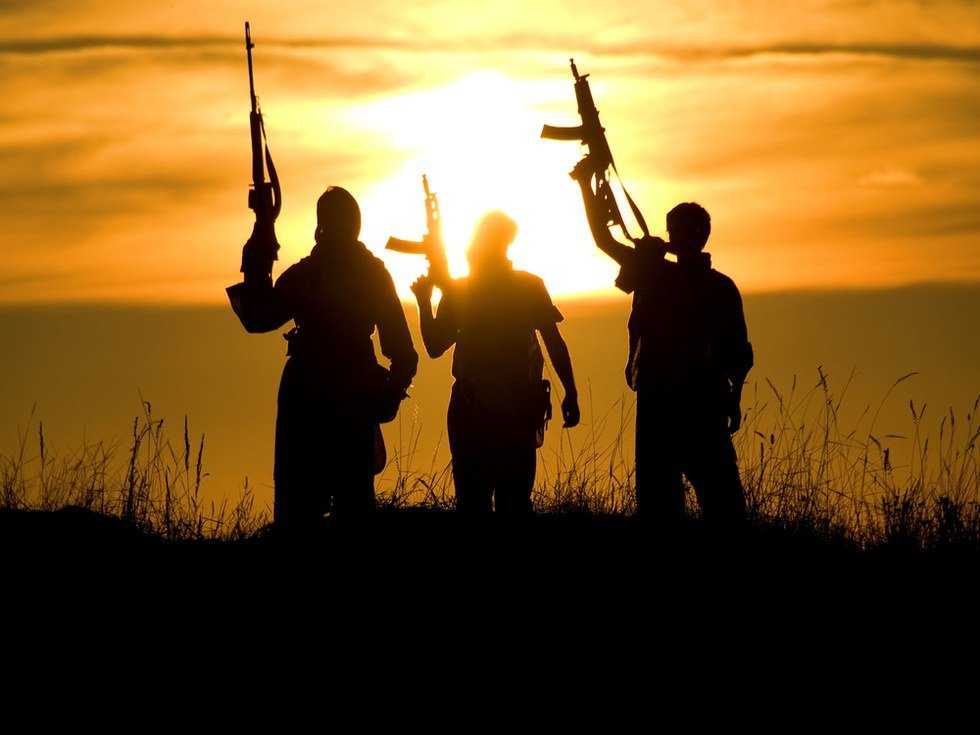
On the first day of 2016, a member of the Taliban ended two lives in a suicide bombing at a French restaurant in Kabul. The very next day, seven security force members at an Indian air base were killed by Jaish-e-Mohammed militants. Fifteen more people lost their lives in Iraq at the hands of five Islamic suicide bombers on Jan. 3. A few uneventful days ticked by before the next attack, where the death count broke 50 and over 100 people were injured in Libya. On that same day, one Islamist was shot and killed in Morocco and seven more people died in Libya during a second attack involving a car bomb. Since that day, over 300 additional lives have been taken due to extremist terroristic attacks related to Islamists worldwide.
We never heard about the 22 people killed in the attack in Pakistan for which the Taliban claimed responsibility, or the attack in Nigeria where 65 people died at the hands of Boko Haram raiders. These deaths were important and tragic. The lives of mothers, fathers, and children were cut short by the hands of fellow men. Then, suddenly, it was as if they had never lived at all. Their names were no longer spoken, their lives deemed meaningless by a westernized media who refused to acknowledge them. Instead, the media told the stories of those who died in Paris. They told us all about San Bernardino. We heard all about the terror plaguing Brussels, but not a word about the 26 people in Yemen and the 30 in Iraq killed by extreme Islamist terrorists just three days later.
Humans are exclusive beings. We naturally form cliques and hierarchies. We discriminate and we persecute. Hatred, though, is all-encompassing. We are all capable of it, and we are all victims to it.
ISIS feels no compassion for anyone. They kill Muslims and Christians. They kill black people, Asian people and white people. They kill everyone who is not one of them, indiscriminately. They hate us all, and to combat this, we must match their all-enveloping hatred with a similar sense of
inclusivity.
Our compassion must be nondiscriminatory, and we must value all lives equally and all deaths as equally tragic. When we only acknowledge the painful impact of certain crises, we feed the racist, religionist, persecutory attitude of terrorist groups. We reemphasize their foundational claim that we should all be the same, and we can just get rid of people who differ.
After all, their lives never mattered, and their deaths are not worth our time to discuss.