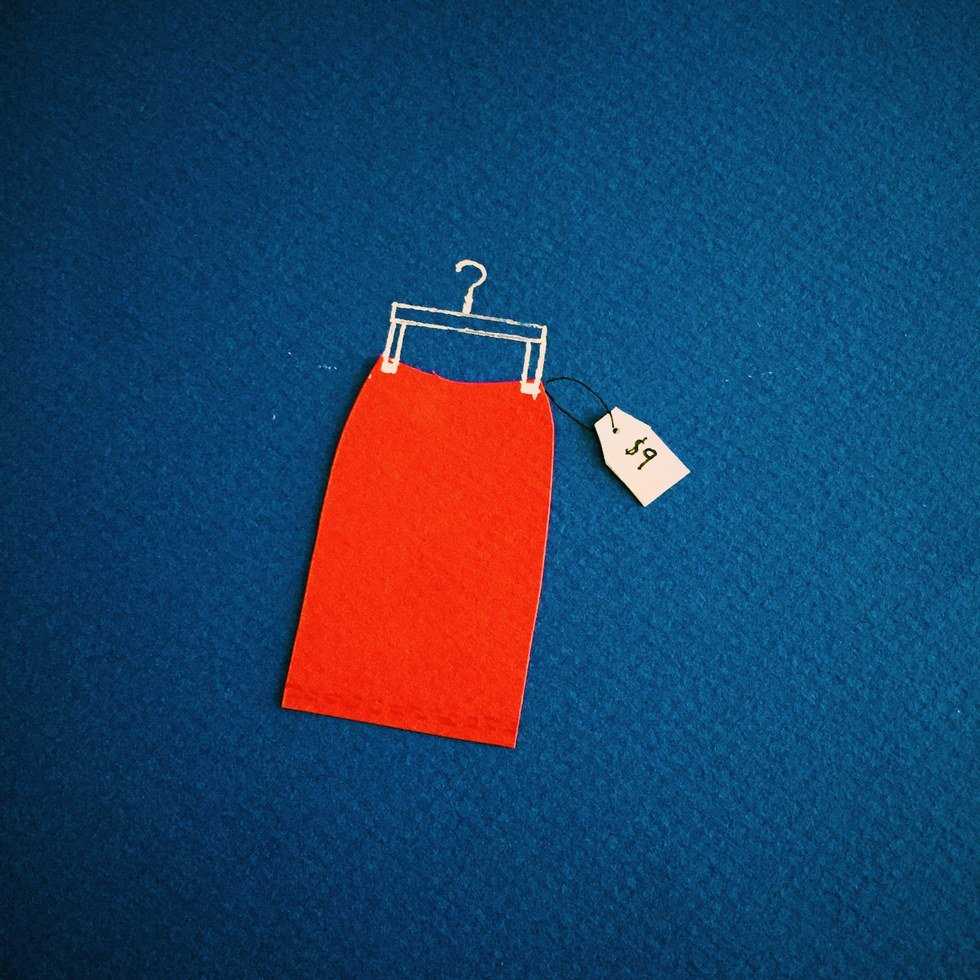
There is nothing more tempting than perusing your local fast-fashion store (you know which one it is) and finding a skirt, top, dress, pants, what have you, which falls within your college-student budget. Often costing nothing more than a single or low double-digit number, you don’t waste a breath before throwing it over your arm to purchase.
But you should, in fact, take a breath, and understand that there are implications to buying clothing that cheap.
“Uh, it’s just a skirt. Can I live?” You might say.
Yes, it is just a skirt. However, that skirt, and any other inexpensive items you buy, feed a growing problem in the fashion industry. Nay, the planet. This problem is sustainability, and it runs amok in the entire life of a garment from how it’s created, to getting in your closet, to finally being thrown into a landfill. This may sound incredibly daunting, and for even the most seasoned fashion industry professional, it is. So in a four-part series I’ll be breaking down our skirt’s lifetime, from its creation to its disposal, and finally, what you can do to change this process. It should be noted that these issues largely deal with fast-fashion companies, but can also make appearances in even luxury brands. What makes fast-fashion companies the number one target of criticism is the breadth with which they determine industry practices. Because they can offer cheap, on-trend clothes, they cater to millions more people than brands at Saks Fifth Avenue, for example, and can therefore have much greater environmental effects (both good and bad).
Without further ado, let’s dive right in.
----
Before the pattern for our skirt is even cut, the fabric used to make it often comes from polluting factories that use a wide range of chemicals to either 1) create the fiber if it's synthetic (i.e. polyester, acrylic, etc.), or 2) wash away pesticides and other chemicals from natural fibers (i.e. cotton, wool). Cotton, even though it's grown from the earth, is actually one of the most damaging fibers to manufacture.
Despite being “natural,” and being advertised as America’s fiber-of-choice (queue those charming commercials with Zooey Deschanel and Hayden Panettiere), cotton is incredibly destructive to the environment and its farmers. Because of the mass amounts in which cotton is used, farmers of the fiber have turned to excessive amounts of chemicals in production. Not only do these harmful chemicals act as pesticides, but they’re used to genetically alter the plant itself to grow more blossoms on each stalk, as well. The results of such range from permanently damaged soil, to polluted rivers and air, to health effects in cotton farmers. Sadly, these consequences also apply to the washing and dyeing of all fabrics.
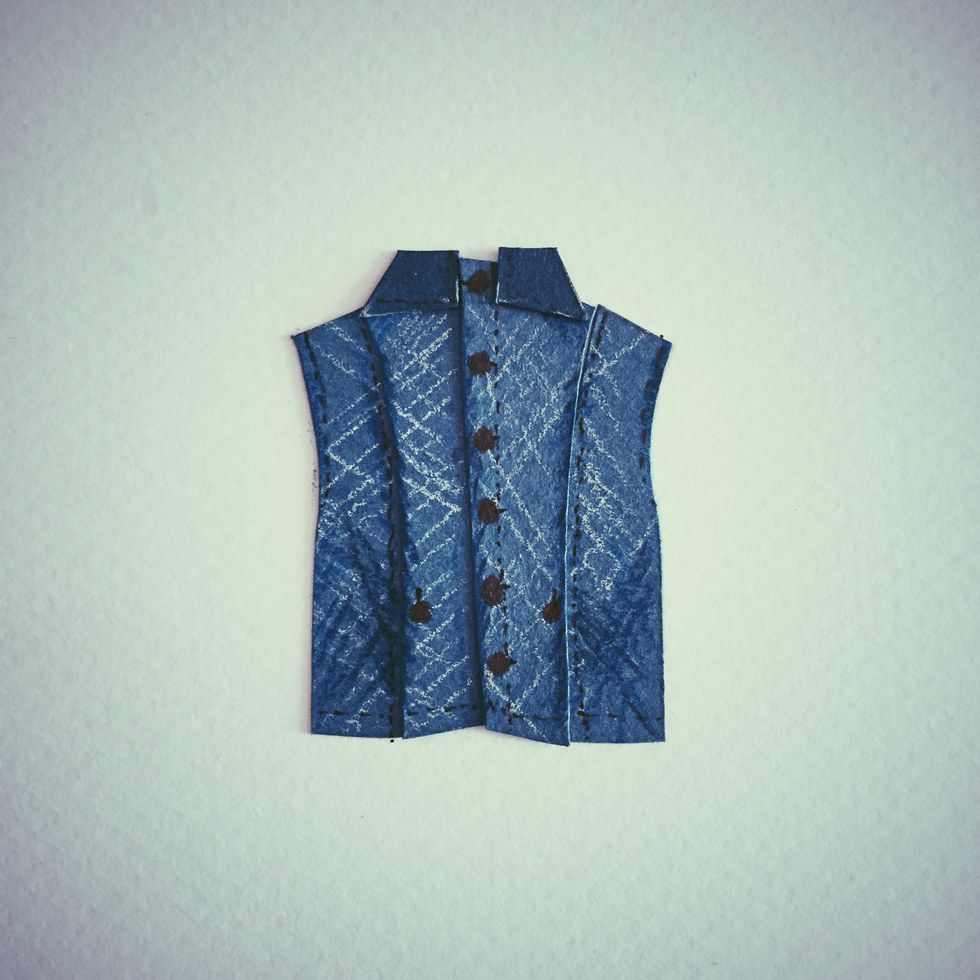
Once our fibers of cotton, polyester, etc. are woven into fabric, they’re often dyed or put through some kind of wash before being rolled up and sold. Between 17-20 percent of industrial water pollution in the world is a result of these practices. Denim, especially, leaves a deep ecological footprint, as the indigo dyes and dozens of chemically treated washes pollute rivers and surrounding marshes. Water is being wasted, and the very water sources themselves are being ruined across first- and third-world countries alike, although much more prevalent in the latter. Ruined water resources contribute to the demise of entire villages; their residents aren’t able to grow crops, and people contract diseases and conditions that forever affect the health of their families.
Now, if this isn’t enough to get you to think twice about what you buy, don’t you worry. Yes, changing your buying habits to affect how people live across the world can be a difficult connection to make when you see that $9 skirt hanging on a rack, and you have an interview or party tomorrow for which you sought that skirt. After all, it's only one skirt, you may tell yourself.
Unfortunately, purchasing any article of clothing made with textiles under these conditions will have a direct outcome on you, as well, because not only does the production of these fabrics harm the environment, their quality is also extremely poor. You can’t expect legions of chemicals and hours of washing to not have some residual effects on the fabric itself. Holes will appear as soon as the first wash (because let’s face it, we’re not going to hand wash it like the tag says), the weave will be thinner and therefore sheer, and the garment will generally wear unattractively very quickly (think those inexpensive leggings that have a saggy backside and are covered in tiny, white elastic fibers that have snapped after just a few wears and washes). Before you know it, you’re right back at the mall to spend your hard-earned money on yet another cheap skirt.
Its already a vicious cycle, and we aren’t even to part two! Next week I’ll be talking about what happens when our rolls of poorly made fabric are sent to factories to be cut and sewn. Yes, I know, it sounds very foreboding. I promise, there is a light at the end of the tunnel.
If you’re already interested in making conscious choices about organic/recycled clothing look here for recommendations about brands that have embraced these practices. If you prefer to keep shopping at larger companies, read this report from the NRDC (pg. 21 is the one you want) for a ranking of companies’ sustainability initiatives. Just read the garment's tag before you buy it, and if you have the option of purchasing from their respective “eco” lines, do that.