
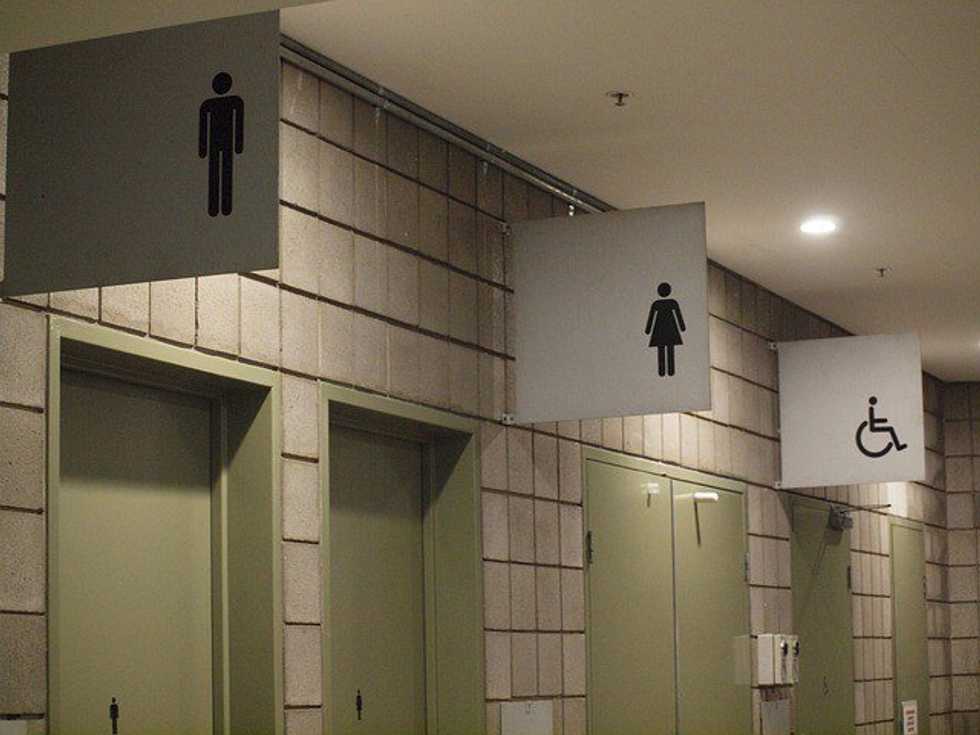
This past week, the voters of Houston, Texas struck down an Anti-Discrimination Ordinance, with the opponents winning at 62.5 percent of the votes. The ordinance itself would have barred discrimination on the basis of race, sex, religion, and twelve other classes, and would have left fields like employment and housing without discrimination. So, why would Houston voters repeal the measure? Bathrooms.
That’s right. Bathrooms. Something that the ordinance never specifically mentioned was enough for the opposition to gain votes against it. In fact, the opposition dubbed the ordinance, “The Bathroom Ordinance” and spread it as such. The slogan, “No men in women’s restrooms,” was a direct transphobic strike against trans women, and although discriminatory, did succeed in stopping the ordinance from passing.
This failing has hit many hopeful Houston citizens as disheartening, but this has especially harmed the Houston LGBT community. The mayor of Houston herself is a member of the LGBT community, which had made the ordinance catch attention from all over the world, and even from the White House. Annise Parker, the first lesbian mayor of a major U.S. City, claimed that the ordinance’s failure has “stained Houston's reputation as a tolerant, welcoming global city,” and said she fears that this will result in economic struggles as well.
There are national measures in the U.S. protecting a few of the groups that Prop. 1, the anti-discrimination ordinance, would have protected, however there is not yet any measures in place to protect against discrimination based on sexual orientation or gender identity. Many states even do not have a statewide initiative against it, including Texas. This has left an entire group of people at the mercy of anyone and everyone who holds the slightest bit of power, and sometimes even leaves their very human rights up to popular vote. Currently there is no national anti-discriminatory protection for LGBT individuals, but in July, a group of lawmakers introduced a bill that would offer such protection. Advocates of Prop.1 are optimistic. Matt McTighe, director of the pro-LGBT group, Freedom for All Americans, hopes that this will simply be a lesson on how to word their pieces to make them easier to pass, noting many failures happened before most of their major strides.
Parker mentioned how “No one's rights should be subject to a popular vote,” and that describes perfectly the hardship that the LGBT community in Houston, Texas and around the United States is feeling. The battle for marriage equality may have been won, but that is not even the tip of the iceberg for many people in need. As long as people can legally discriminate, there is no freedom.
The struggle for equality for the LGBT community is far from over, and the repeal of Prop. 1 proves such. Houston citizens, along with those in multiple other cities and multiple other states, remain unprotected from discrimination, and vulnerable to the whims of those who hate their very existence. Fear-mongering and uneducatedness could lead to Houston, Texas being known to the world as a place that does not welcome those who differ from the norm, and for many, this step may result in the worst consequences.