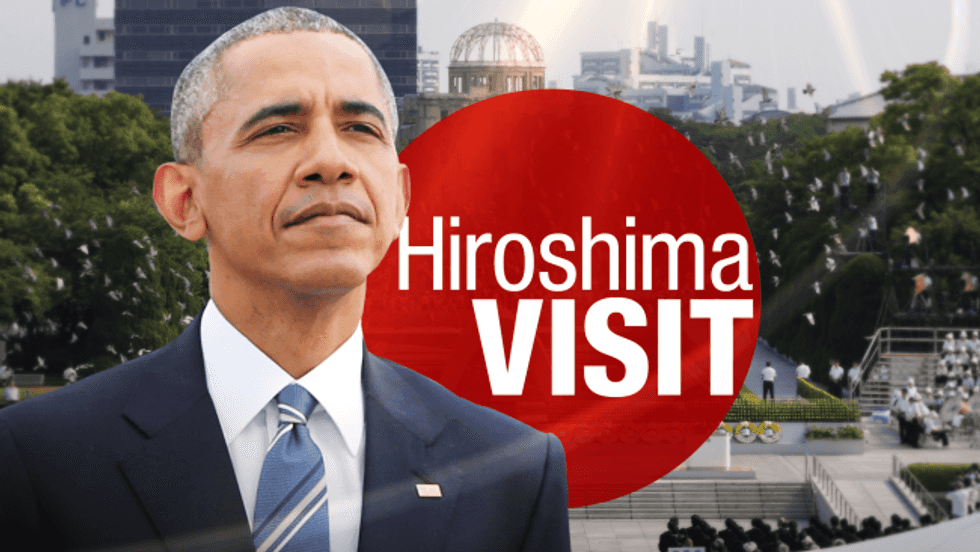
On Friday, May 27, U.S. President Barack Obama will have visited Hiroshima, thus becoming the first US president in office to do so since the dropping of the atomic bomb. The historic visit fits into Obama's foreign policy decisions as president, considering that he visited Cuba, Myanmar twice, and has struck a nuclear deal with Iran. While Obama has made important strides in improving foreign relations, his visit will cause concern most notably from China and South Korea. The U.S.-Japan alliance is worrisome for both China and South Korea as both countries suffered horrible tragedies at the hands of an imperial Japan during World War II.
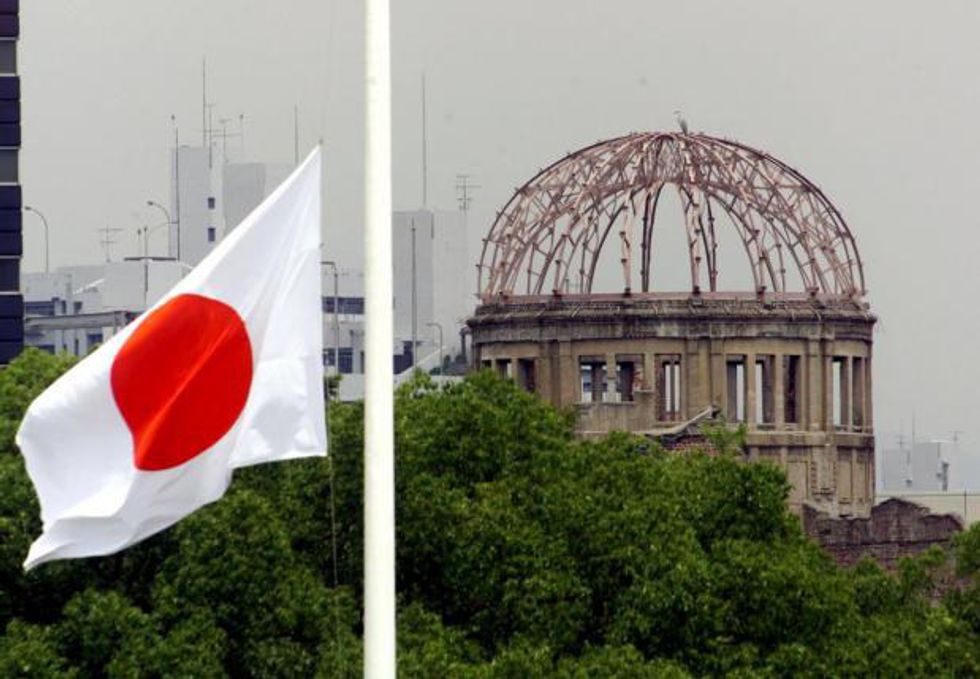
In addition to setting a milestone, the New York Times reports that while in Hiroshima, Obama plans to talk about "curbing the world's stockpile of nuclear weapons and lower the risk of a nuclear accident or attack". Obama's visit to Hiroshima and his plan to address limiting nuclear weapons is a much needed step, but could have a serious impact on America's relationship with both China and South Korea.
So how exactly could Obama's visit to Hiroshima impact America's relationship with China and South Korea? Both countries are concerned about increased militarism in Japan and both remember being victims of Japan's aggressive imperialism during World War II. The New York Times writes that "China has criticized the visit as an opportunity for Japan to recast itself as a victim rather than aggressor in World War II, and for the United States to cozy up to Japan". In addition, the New York Times reports that Koreans echo a similar concern about a presidential visit, "fearing it could be interpreted as an apology for a war that ended Japan's occupation of Korea".
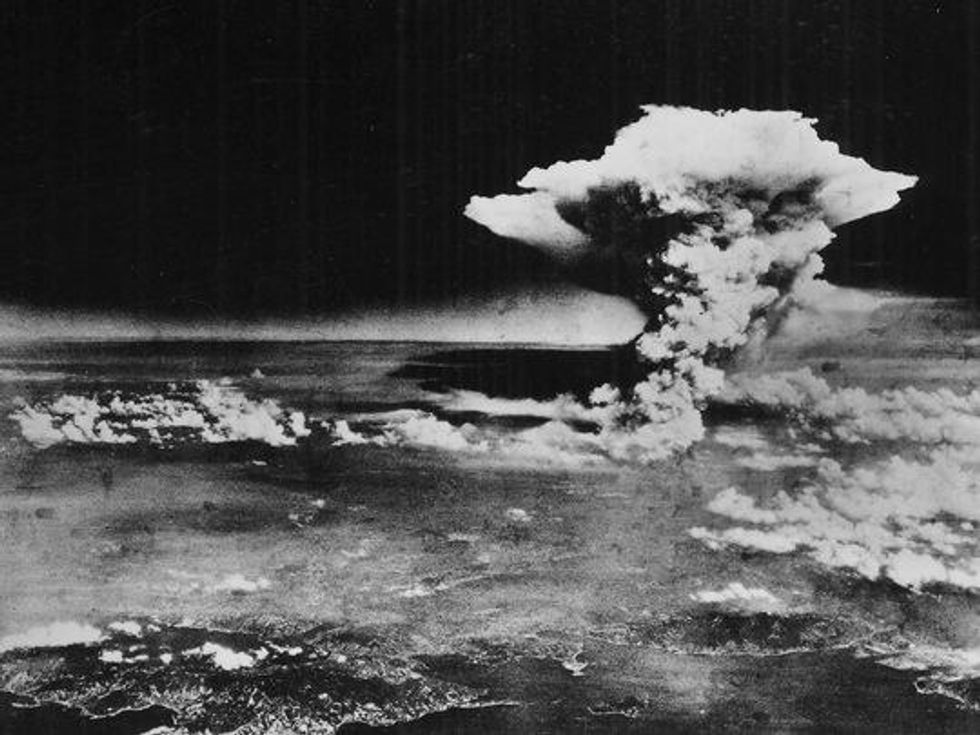
In terms of addressing the issue if limiting nuclear weapons, Obama hopes to bring the issue forward during his visit to Hiroshima. Shortly after becoming President, Obama stated that "as the only nuclear power to have used a nuclear weapon, the United States has a moral responsibility to act". The Obama administration has campaigned on the attempt to limit nuclear weapon stockpiles around the world, but this goal has not been easy. The New York Times writes that Putin has stalled on the deal made in 2010, to limit nuclear weapons in Russia, and Obama's "push to modernize the American nuclear weapons stockpile could cause a new arms race." The issue of limiting and eventually getting rid of nuclear weapons across the globe is highly contested as having nuclear weapons increases a country's power and is a needed to deter attack by foreign powers.
So how could Obama's trip to Hiroshima impact the international system?
First off, the fact that Obama will be the first acting President to visit Hiroshima is monumental. A visit to Hiroshima was never favorable as there was always a fear that America would apologize for dropping the atomic bombs, an action U.S. President Truman made and which effectively ended World War II. So do not expect an apology, but rather Obama's visit should be seen more as a sign of respect between both countries.
Secondly, it will be interesting to see how China and South Korea respond. In terms of the U.S.-China relationship, it is important to note that these two countries are not exactly allies, but more like trading partners, Additionally, China is involved with territorial disputes with Japan over key islands in the Pacific, thus tensions are high between both countries. For the U.S.-South Korea relationship, the two are strong allies, but Koreans are wary of Japan based on its history of aggression. For that reason, Koreans do not want the U.S. to cozy up with Japan, thus forgetting about its past actions towards Korea in World War II.
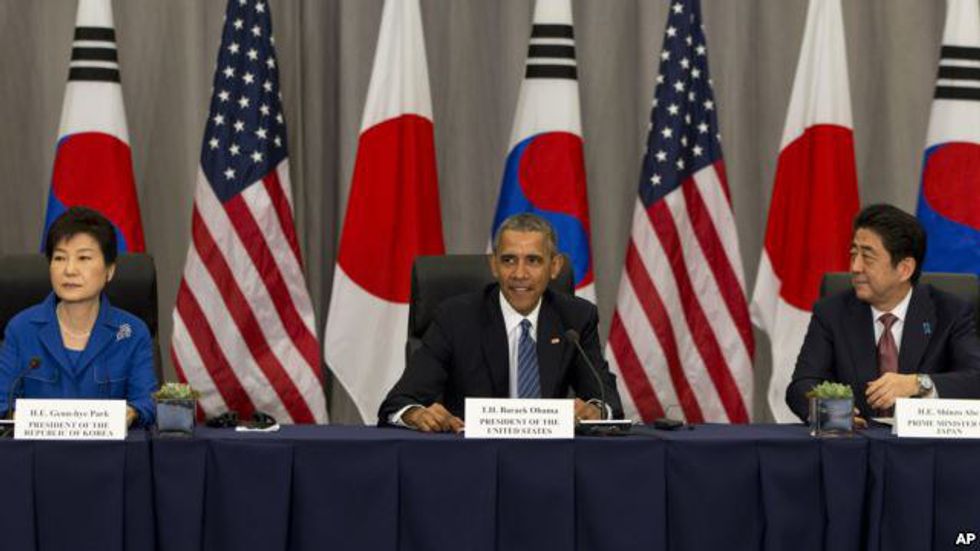
Lastly, if Obama's visit goes according to plan, his visit will help open further discussion on limiting nuclear weapons. While I applaud Obama's administration for focusing on this issue, I do not expect to see any significant progress made on the issue. For many states, the importance of nuclear weapons is in not using them, but in having them. Having nuclear weapons means having power, being able to deter attack, and are used as leverage when bargaining.
Overall, it will be interesting to see what actions Obama tales in Hiroshima, how other key Asian countries will respond, and what progress can be made about limiting nuclear weapons.