

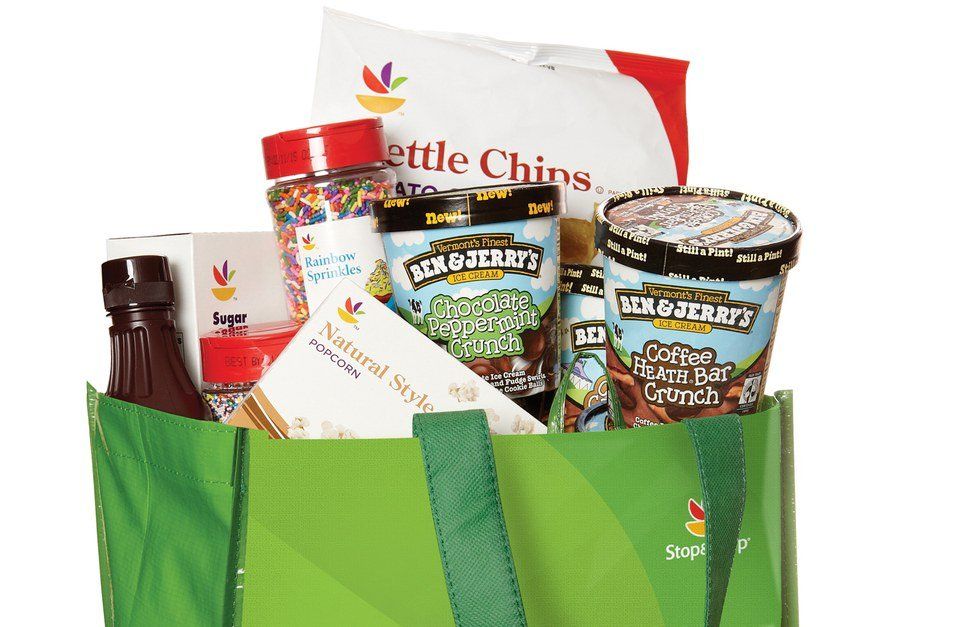
"Green consumerism" may seem a bit of an oxymoron. Environmentalists know that all of our plastic packages, cardboard boxes, pesticide-infused products are anything but eco-friendly. So how's one to tell if what they're buying is really doing minimal damage to the earth? Here are some tips as to how to avoid marketing strategies that may trick you into buying falsely "green" products.
The labels are not what they seem.
Throwing around phrases like "all-natural," "fresh," "vegan," and "GMO-free" make any product seem more environmentally-friendly. Companies can slap the word "natural" on to anything because the FDA doesn't regulate what natural actually means. These catchy phrases doesn't necessarily mean that the product is bad by any means, but to really understand how green their products are, it's important to know where the ingredients come from and the company's ethics: a company that's certified organic at least has some truth in claiming to have a natural product.
One sustainable action does not justify an entire company.
One example, in particular, that stands out for this one is H&M’s line of sustainable clothing—the “Conscious Collection.” Because when one of the most popular clothing retailers advocates for a sustainable clothing line, it seems too good to be true. And, well, it kind of is. For one, the modern fashion industry is designed to put out new outfits all of the time. Stores are constantly changing their layouts. Shipments of new clothing come in every other day. All of the cotton and synthetic fibers, the hand labor, the carbon emissions of transporting all of that clothing… nothing about fashion is sustainable. Last year alone, H&M produced about 500 million articles of clothing. Not to mention, their history of labor abuse doesn’t make them seem all that ethical in the end. You can read about how they are taking steps to become more sustainable—and in some cases, it does look like they’re taking steps in the right direction—but don’t think that just because your favorite store has started selling clothing with 15% recycled material that you can spend your paycheck towards an otherwise unethical brand.
Be wary of the color green.
A classic example of this is Nature Valley bars. With commercials showing hikers eating their granola bars, its bright green packaging, and even its very name, Nature Valley is one big false advertisement. But many of its ingredients are, in fact, not so natural (as of recently, the classic crunchy granola bars don’t have any “weird” ingredients in them, although many of their other bars do). Our minds automatically associated food packaged in green boxes means that the contents must be all-natural, from Mother Earth. It’s better to look at the ingredients, the brand name, and whether or not an item is organic to see how “natural” something really is.
Know your sources.
Chocolate. Coffee. Cotton. Other than being staples at many households, these are just a few of the items that are often grown overseas in less-than-ideal work conditions. Nobody wants to think that their delicious mocha or cozy sweater is covered in pesticides, but more often than not, that is the case. In order to support brands that don’t abuse the environment (or their workers), go for for fair-trade and/or organic options. If you’ve ever wondered why cafes advertise their shade-grown coffee, it’s because the coffee trees are grown under the canopy (shade) of native trees. This does not require clear-cutting forests just to plant coffee trees while allows the coffee to grow within the natural ecosystem.
Do the responsible thing.
In all honesty, the best way to be an ethical consumer is to avoid retail and either buy locally or make/grow things yourself. Visit your local farmer's market, buy secondhand clothing, start making more meals at home. There are tons of ways you can not only be an ethical consumer, but just a more wary, environmentally-conscious person.