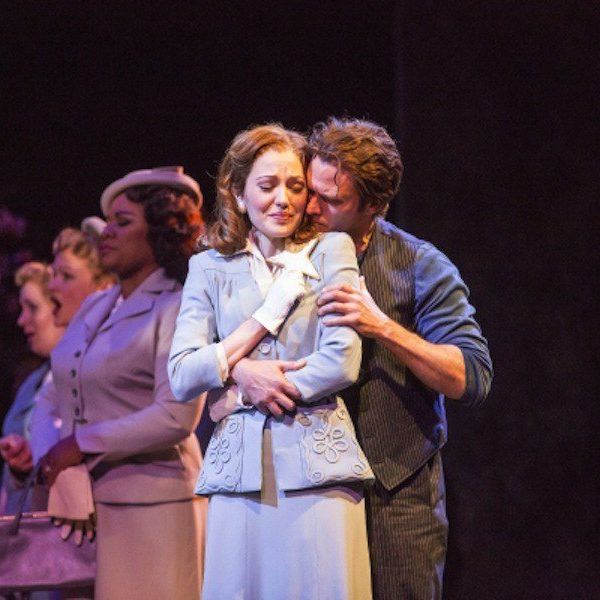


Anyone that has any acting experience on the stage, or anyone that wants to give it a shot, must always go through the stressful and almost soul destroying process of auditions. It seems like something easy to do when you think about it in your head: You just walk up on stage (or wherever the auditions are being held), recite a few lines or sing a bit of a song, thank the people auditioning you and then leave. What will most likely happen, especially your first couple of auditions, is when you go up on stage and see a whole group of people silently staring at you and judging everything about you; it is likely that you'll blank face like a deer caught in the headlights.
There are a lot of different ways you can practice to avoid this, and the best place to start is with how you pick and practice your monologue. When you're out looking for monologues, try to find one that's being spoken by a character that is around your age, will take under two minutes to act out, and doesn't feature a lot of inappropriate language. Another tip about picking monologues is that you don't want to pick a piece that's very popular; it's understandable that you love "Hamlet" or "Glass Menagerie" but unfortunately the people of casting have heard someone perform those lines a lot better than you can.

Once you have a monologue you like, now it's time to start remembering it! Instead of just reading it as a giant paragraph, break up the monologue into many different beats and pauses, and give each one a verb ( Ex. to shout) for you to act out that particular line with. This strategy is helpful because it helps slow down the scene a little bit better, and it allows you to express more range, instead of just one or two emotions throughout your whole piece. You should also ask yourself three questions: "Who am I?", "Who/What am I talking to?" and "What do I desire?" These questions will flesh out your piece and will hopefully make it overall, more believable.
When you actually start reading over your monologues, don't be afraid to read it out with a variety of different voices; don't stick with the first way you read it out loud. Having someone else read your lines in front of you is a good way to find different ways to reenact it, as they probably have a different idea of how it should be performed than you do. Eventually you should begin to read in front of a group of people and ask for genuine feedback. Don't listen to your voice recorded, as it's not very helpful and you'll never be satisfied with how you sound. While rehearsing in front of people, practice your slate (introduction), which should consist of you introducing yourself and telling them the name of the piece you are reading. Once you read it off a couple times, ask them to tell you different "roles" (like a cowboy or a two year old) that you should read your lines as. This is a good way to find out different ways to act or say things that works with your monologue.
After doing all of this, then you are more or less prepared for your auditions! Just remember to relax and breath beforehand and do your best. The casting people don't want you to fail, so don' let them watching you get to you. If you mess up a line, don't let that frustrate you, and try to smoothly bring it back to your piece. As long as you try, then you can walk home proud.