

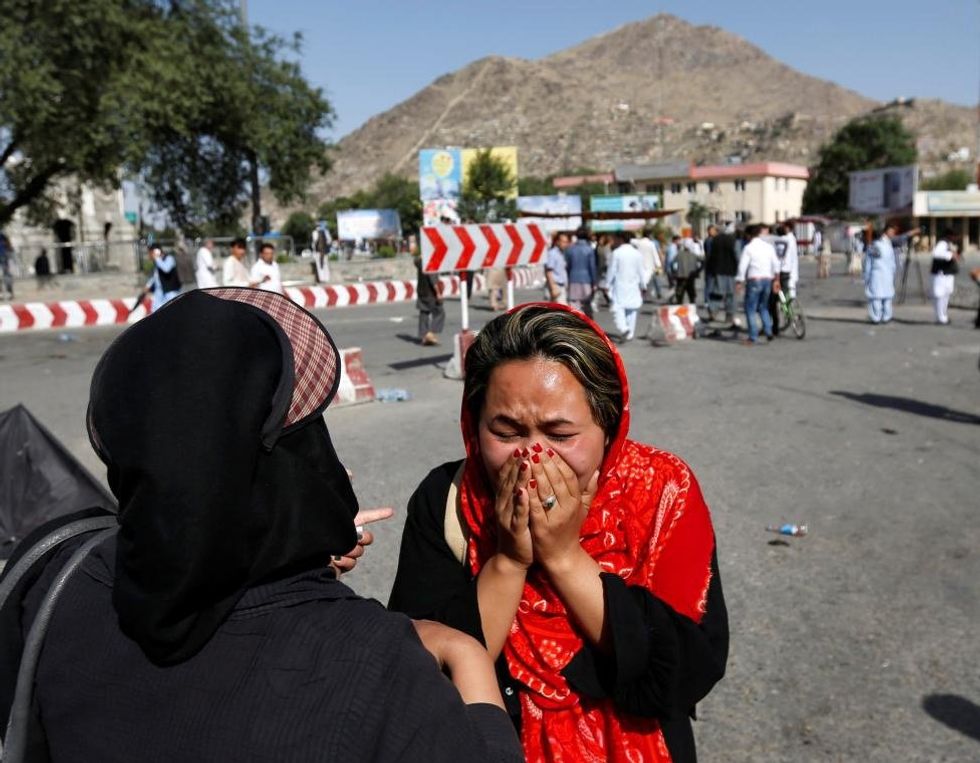
So what exactly do we know, so far, about the terrorist attack that shook Afghanistan on the morning of the 23rd?
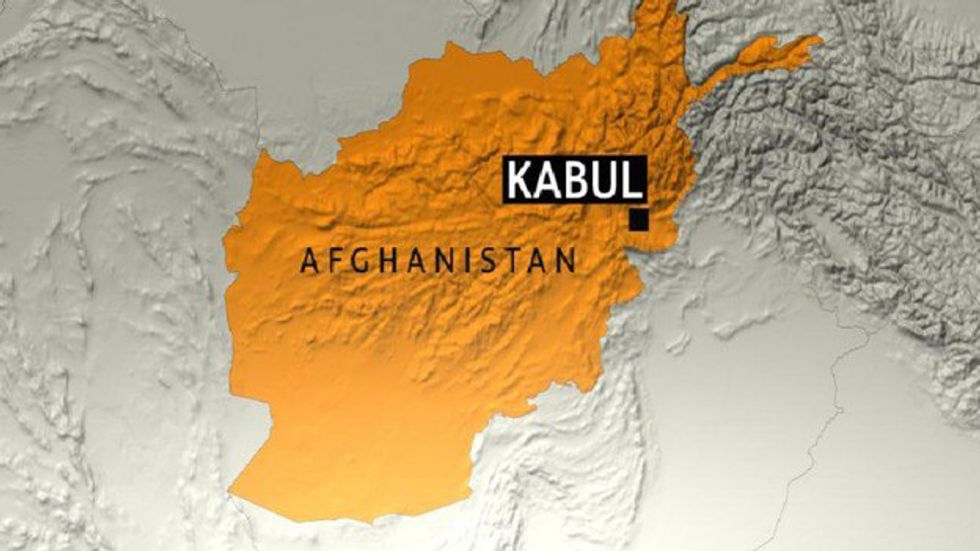
1. It occurred in Kabul, Afghanistan on Saturday morning.
On June 20th, a suicide bomber killed 14 Nepalis. And three weeks ago, the Taliban claimed responsibility for an attack on a convoy carrying police officers which killed 34. In April, 64 people were killed and more than 300 were injured during an attack by the Taliban. On November 11th, thousands of protesters marched through Kabul calling for justice for seven beheadings.
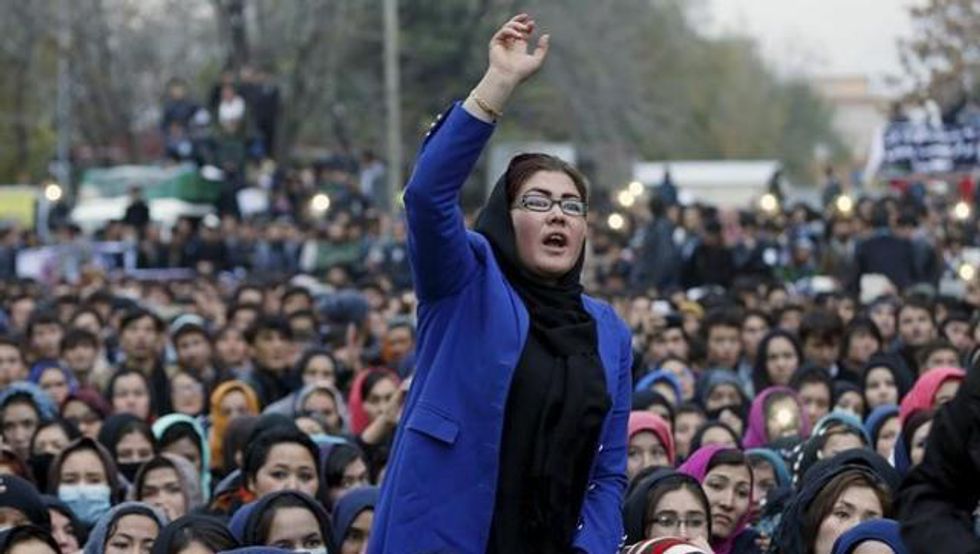
2. It happened during a peaceful protest that was run by the members of the Hazara (a Shiite minority group) at Demazang Square.
The point of the protest was to demand a power line be rerouted through the Bamiyan province, one of the poorest areas of Afghanistan.The power line was originally set to pass through the central province, but the government rerouted it through the mountainous Salang pass, saying the shorter route would speed up the project and save millions of dollars.
Hazara leaders called the decision prejudiced against the three million-strong oppressed minority community. Hazaras, who are Persian speaking people who live in central Afghanistan, have been considered pariahs for their Shia faith compared to the dominance of the Sunni branch of Islam.
“Holding protests is the right of every citizen of Afghanistan … but terrorists entered the protests, and carried out explosions that martyred and wounded a number of citizens including members of security forces,” the presidential palace said.
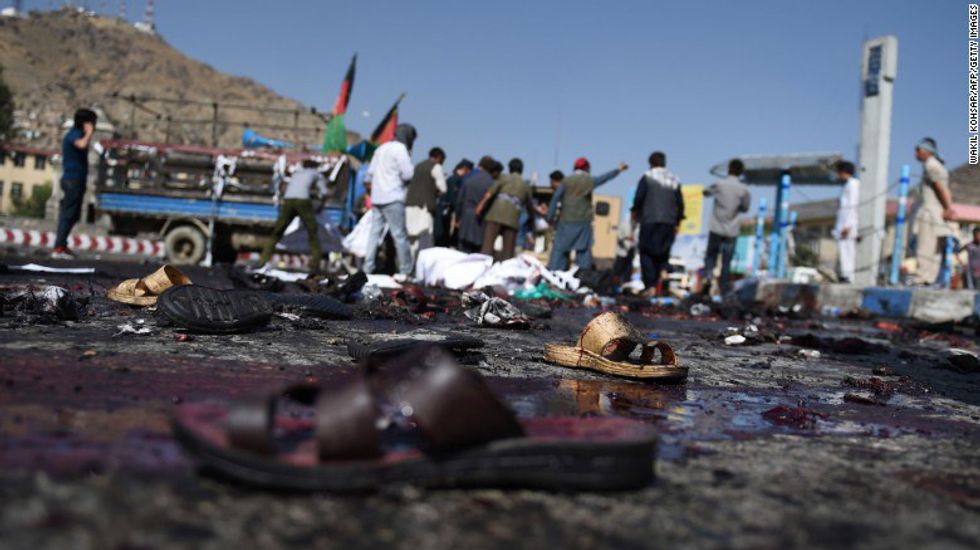
3. 80 are dead, and 231 are injured in an attack that ISIS has taken responsibility for through Amaaq (ISIS' news agency).
The attack was the deadliest to hit Kabul in 15 years of civil war. It was caused by suicide bombers. Two bomb belts detonated, and the third attacker was killed by security forces. Three city district police chiefs were injured, and another three security personnel were killed.
The jihadist terrorist group has been the cause of many attacks worldwide, especially in Afghanistan. The National Directorate of Security, Afghanistan's intelligence agency, said Abu Ali, an ISIS commander in Nangarhar, was behind the attack.
"Our condolences go out to those who are affected by today’s attack. We strongly condemn the actions of Afghanistan’s enemies of peace and remain firmly committed to supporting our Afghan partners and the National Unity Government,” said US Army Gen. John Nicholson, commander of US and NATO forces in Afghanistan.
















