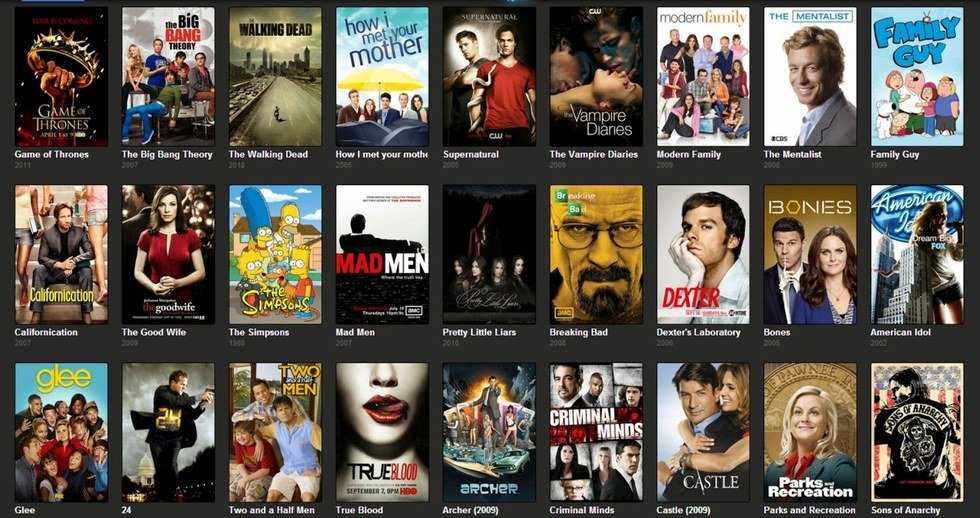
One question I get asked, being that my part time gig is a TV Critic for TVOvermind, is how I reconcile all the TV I watch with my faith. I've heard from several different places that there is too much on TV that glorifies sinful behavior. However, most of the TV I watch is reconciled with my faith, and I don't believe that watching it is necessarily glorification of the sin it depicts.
As satisfying as it may be for some to watch wholesome family programs and nothing else (don't get me wrong, I love me some "Duck Dynasty,") trying to watch only what the Christian community would consider "clean" presents pretty limited options. If that's what you choose to do, that is OK. I respect that.
However, I believe that Christians can watch and enjoy programs on TV without condoning or "being entertained" by the sin depicted within them. In fact, watching these programs can give some of the best skills for reaching people within our ministry. Here are a few reasons for that:
1. It's realistic
Stories that depict humans often carry realistic elements. Sometimes, TV purists can be off put by this fact. But the first time someone criticizes something depicted on television, I ask them if they know someone who has done that, said that, etc. Almost ALWAYS, they say "yes." Writers for TV write from what they know, life experiences. Think about that as you reach into your ministry. It might not be easy to look upon, but it's certainly true to life.
2. It connects you to people
I don't know if you've gleaned this from some of my previous posts, but as I've grown up, I've had trouble connecting with people. Now that I'm older, I keep up with a lot of shows. Are those two related? Absolutely. You'll hardly meet anyone on the street that hasn't watched "The Walking Dead," "Game of Thrones," or "The Big Bang Theory." Those are just a few examples. Imagine not being able to find common ground to speak to someone, and then discovering you both watch the same television show. You can connect with people using anything, and connecting with people is a primary function of discipleship and evangelism.
3. They're stories
Stories. The Bible is full of them. Every television show (well, scripted anyway) is a story being told through that medium. Jesus himself used fictional stories of imperfect men to further his own ministry. Often times, these stories aren't written to be raunchy, godless entertainment (though admittedly, sometimes they are), but instead to be relatable stories. Stories only reach wide audiences because they're relevant.
Take NBC's "Superstore" as an example. I cover that show for TVOvermind. It's a sitcom that takes place in a big box retail outlet. Is every bit of content in the show appropriate for all ages? No. But, it still perfectly captures what life is like in a retail store. If you were offended by the way the customers behave on that show, perhaps you should take a closer look at how you behave when you shop. Because as a former big-box retail employee, I can tell you without a doubt that most of the depictions are spot on.
That's just one example, but there are infinite possibilities of things to learn when watching mainstream television. it forces us to grapple with what we believe on a daily basis. It introduces gray areas that should be talked about and struggled with. If approached correctly, it can really enhance what you believe and why.
Now, this isn't a call to go out and watch everything that your parents wouldn't let you watch when you were a kid (although, I have done that). But it is a call to not be dismissive of the world of entertainment, or turn up your nose when you read the premise of a show. As a part-time TV critic and part-time actor, these depictions are some of the most powerful tools I have in connecting with others. Stories about sinners and broken people are everywhere, and I believe they can be put to good use.