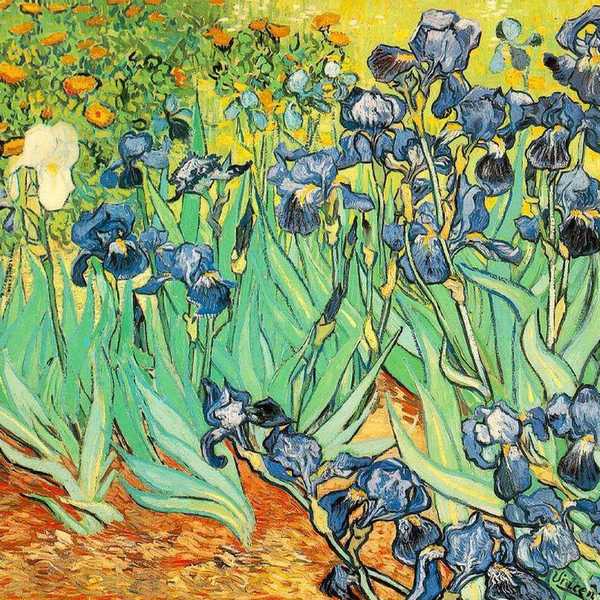

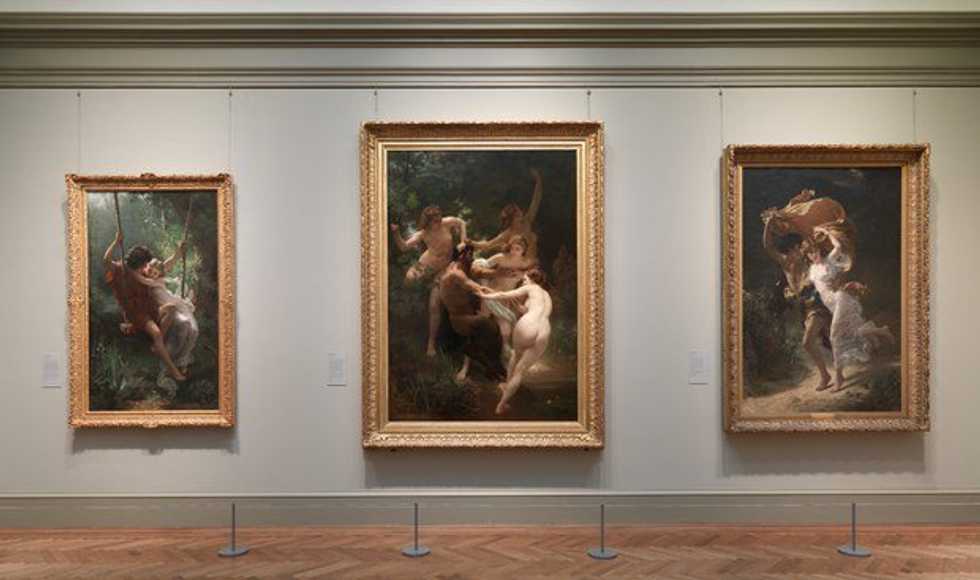
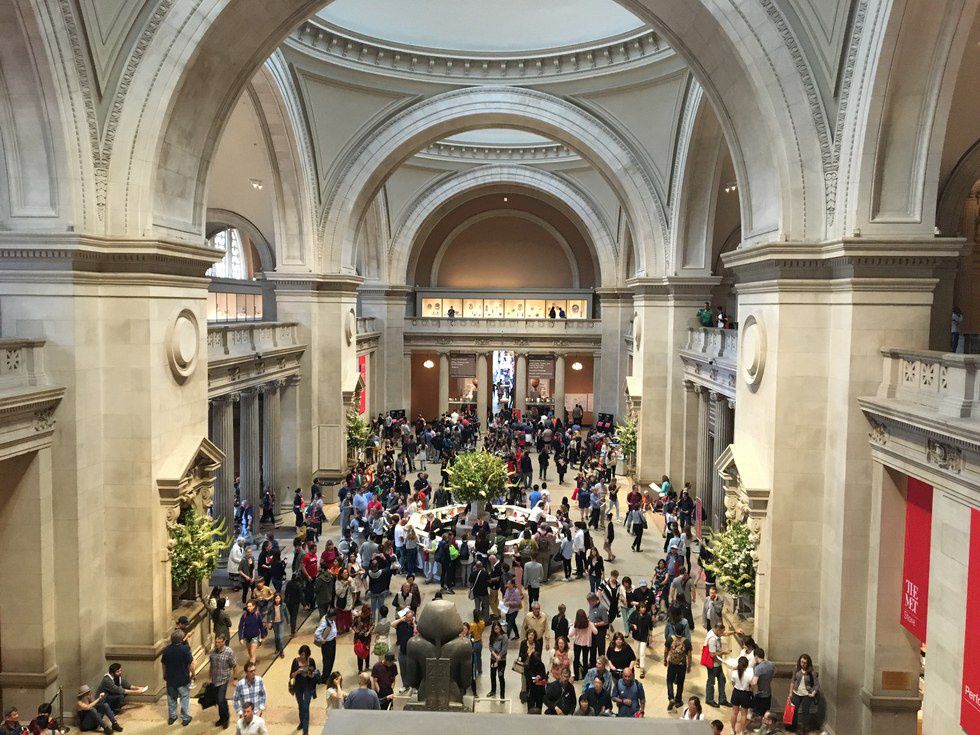
Upon entering The Metropolitan Museum of Art, you're overwhelmed with the sheer amount that has been arranged within one space. The giant marble building has clear lines, with an obvious intention of being the biggest and the best. Wings are sectioned off, yet there is a spacious quality -- guests wonder from one section of history to the next, observing terra-cotta birthing vases from ancient Egypt and then moving along to a mesh warrior suit from South Pacific tribes. Everything is ordered by either region or time frame. The monstrosity of the building makes it nearly impossible to retain all of the information it holds, and after a few hours eyes grow tired and stomachs begin to rumble. The Met requires many trips; you'll have to pick up in Asian dynasties next weekend.
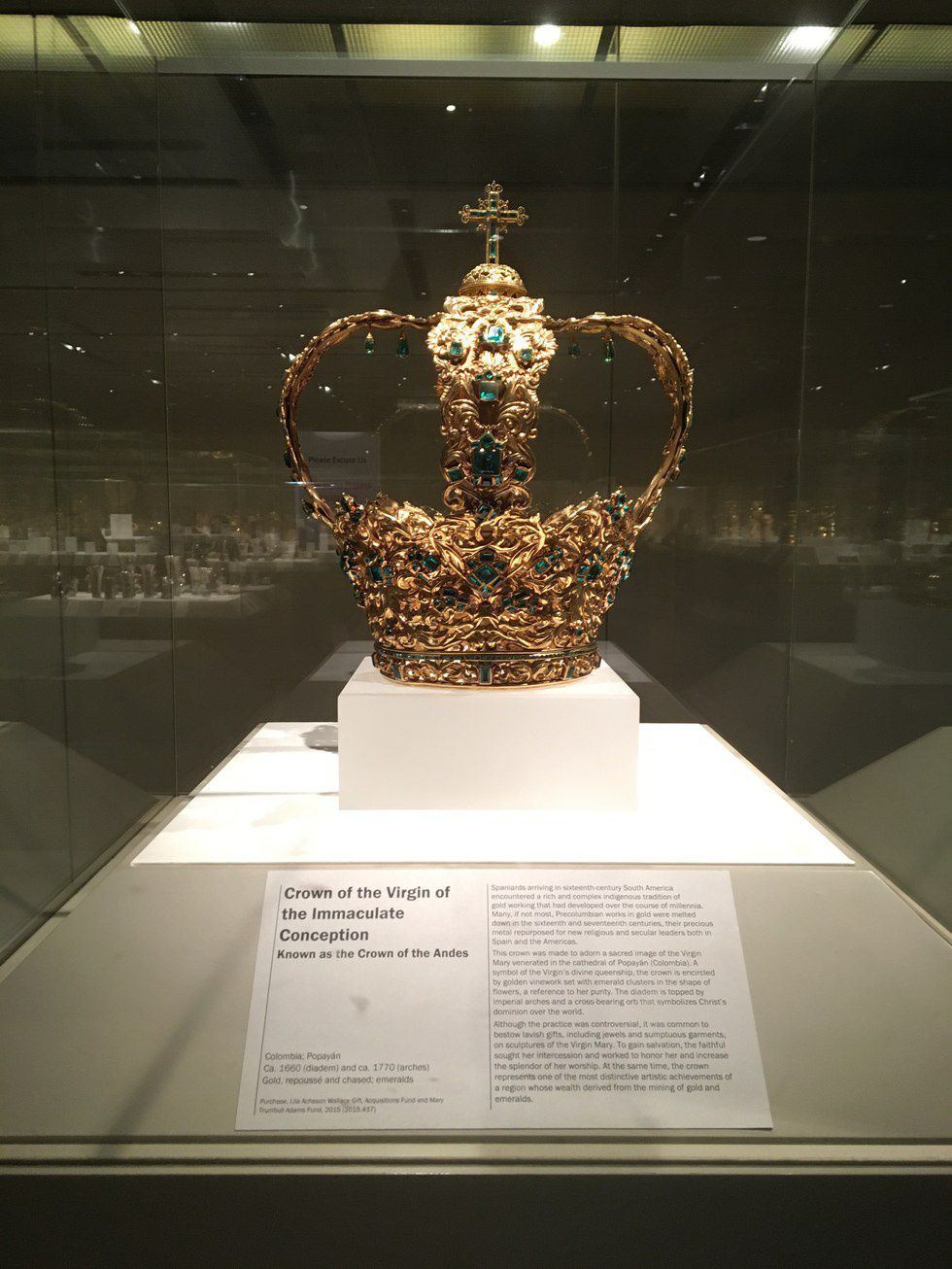
You gain a plethora of information walking through that magnificent marble building. You realize that belongings have always been important to society through the observation of jewelry of rulers past. You notice the fact that in every section, no matter the place or time, every culture expresses a deep concern for after life, and emphasizes care for the dead through artifacts and traditional burial methods. You respect the deep admiration that cultures hold for leaders, elders, and influencers. Yet more importantly, you notice the reason for art: The need to be remembered; the need to leave your story and legacy for the world.
Society has been able to "fill in the historical blanks" through the art it has been provided. Graphics on walls and details on statues tell us stories that may have otherwise been forgotten. Ancient Rome lacked the documenting technology that we have today; they used art instead of digging through old Facebook archives.
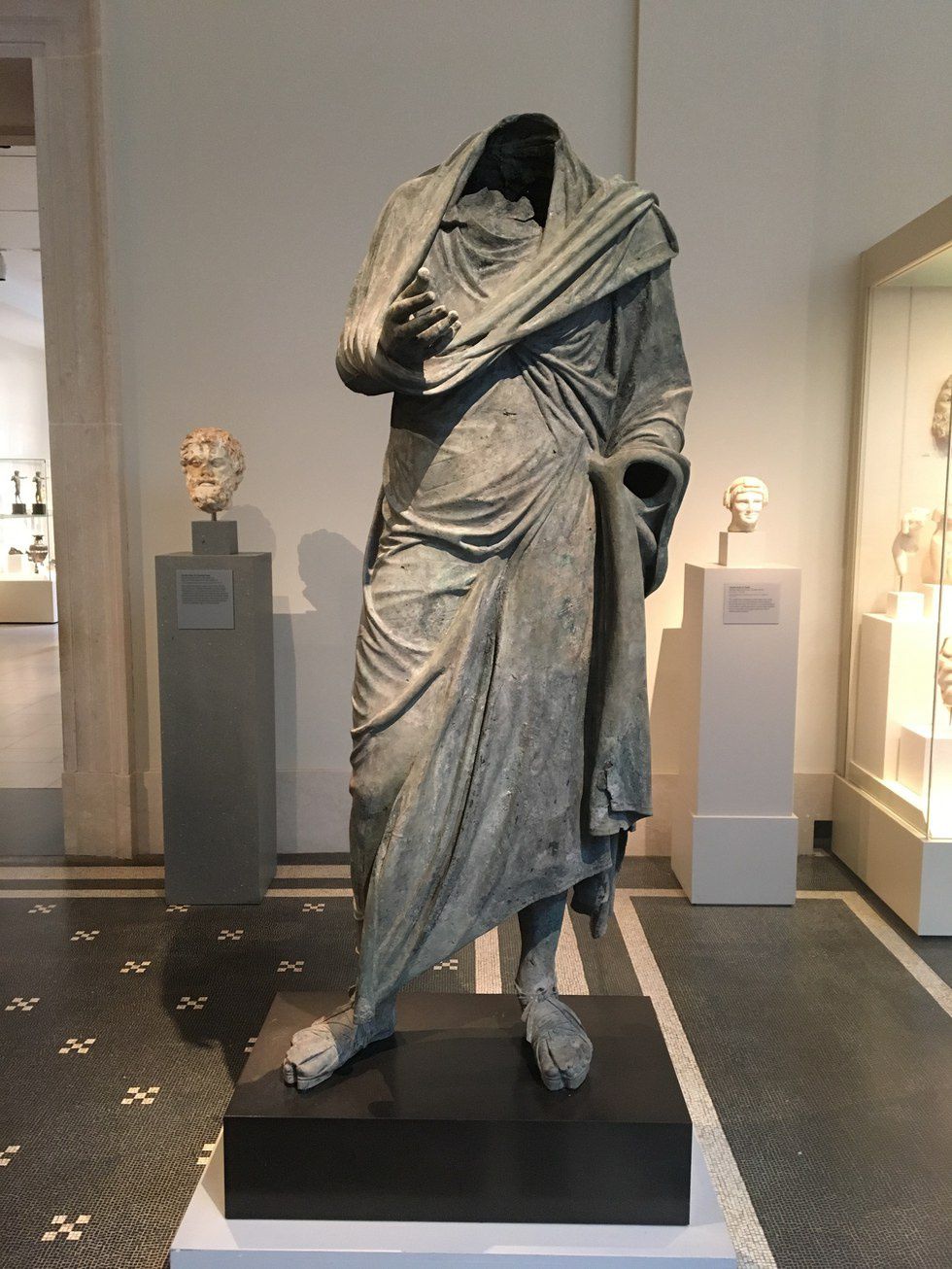
Whether it's a Medieval European painting or a water pitcher from Greece, art allows its creators to carry on after they're gone. It shows what is important to the people of the time, and sheds light as to why things were how they were. Even our intensely abstract modern art tells of societal truths -- luckily, future scholars will have the explaining documentation for these interpretative pieces. Instead of a pained facial expression, we see colors colliding on a canvas. Though this isn't as black and white as a battle scene made of stone, future generations are allowed to understand.
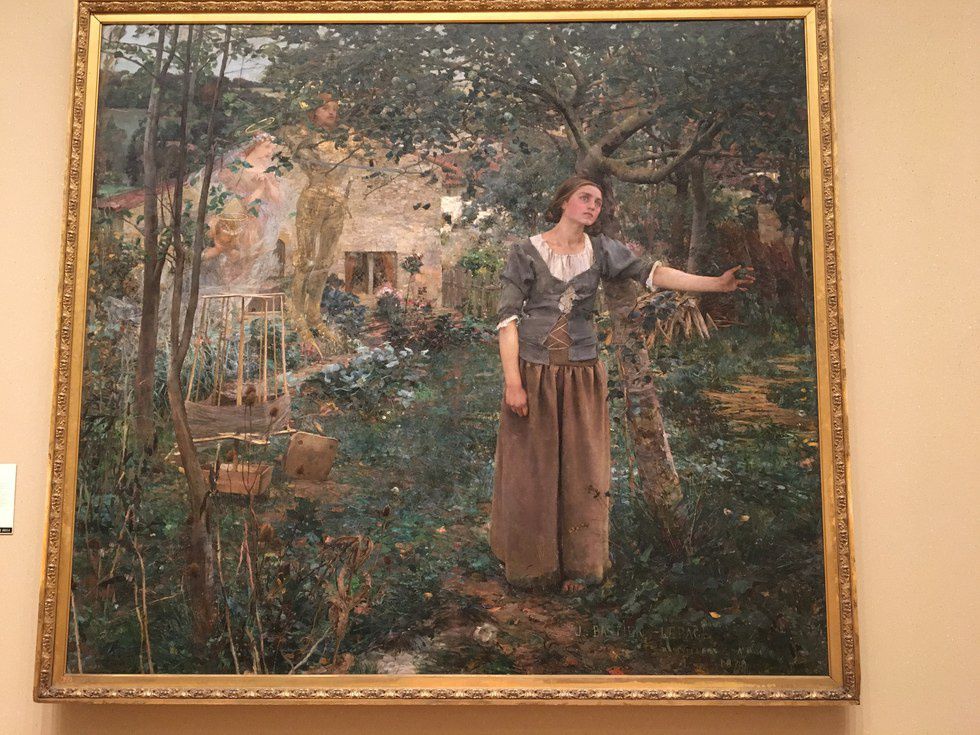
Because of art, future generations will receive an understanding that the power struggle between classes and races has always been present. They will see that they are not the only generation that struggles with mental health. They will notice that no matter what the issue is, creative minds have taken it upon themselves to make it beautiful. Art's need for remembrance keeps cultures alive -- the question is, what do artists today want us to be remembered for?