That Dragon, Cancer is an indie video game created by Ryan Green, which chronicles his young son’s battle with brain cancer. That Dragon, Cancer is a simple ride through emotional experiences and a window into the complicated lives of those dealing with the disease.
The game tells the story of Joel, Ryan’s son, who was diagnosed with brain cancer shortly after his first birthday. You experience the journey through tiny, beautifully colored and simply-layered vignettes. In one such vignette, you feed bread crumbs to a small duck as the grown-ups behind you talk about the progressing disease and treatment.
As you play through the game and experience the ups and downs of Joel’s excruciatingly short life, you can’t help but emotionally invest yourself in the world you’ve been thrust in. Everything about the world you’re in is simple, which makes the knowledge that you’re experiencing a family’s battle with brain cancer in a four-year-old all the more hard to handle.
I’m not here to sell you on the game, I want to talk about the genre the game has just defined.
Art games.
Small indie games that focus on a larger experience and feeling than they do on anything else.
Games like Limbo and Dear Esther are wonderful examples of this type of gameplay. They are cheap to make and require minimal time and effort to play through. And without a larger company like EA or Ubisoft on their back, they can tell their story however they think is best. These art games and the small studios making them are revolutionizing what we thought we could do with video games and they are leading the way in innovative story-telling and game design.
Just as Birdman, Room and It Follows have begun to revitalize the art-house movement in film, these small projects are introducing the movement into video games with incredible success.
Video games are often written off as time-wasters or something only “nerds” play. But, like any other form of art, video games offer important windows into more complicated issues and can help us experience the world around us and validate our place in it.
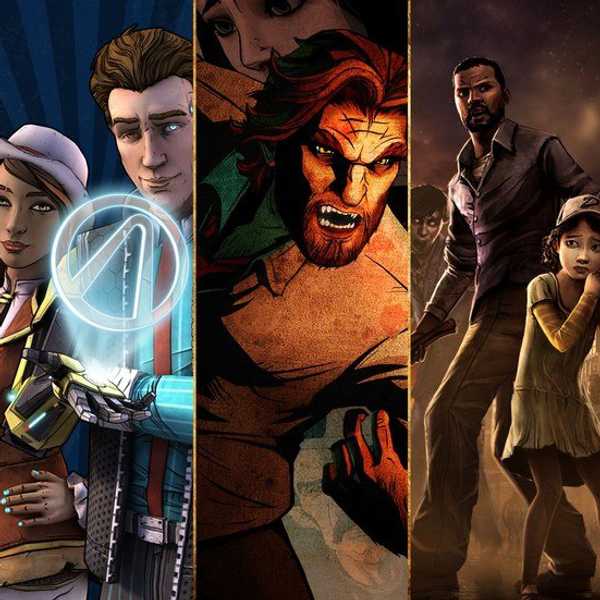
When people think of video games, people think of action. Destiny and Borderlands pushed that boundary with the introduction of MMO style raids, bosses and co-op designed play. But, at their core, they were still about action. We are now seeing the growing movement of art games and their focus on leaving you with an experience.
They are about color and score and writing. They are about making you feel and think, even if you’re unsure what just happened on screen. They are about larger issues than their often simple gameplay lets on. And it is growing more and more evident that critics and audiences chomp at the bits for more.
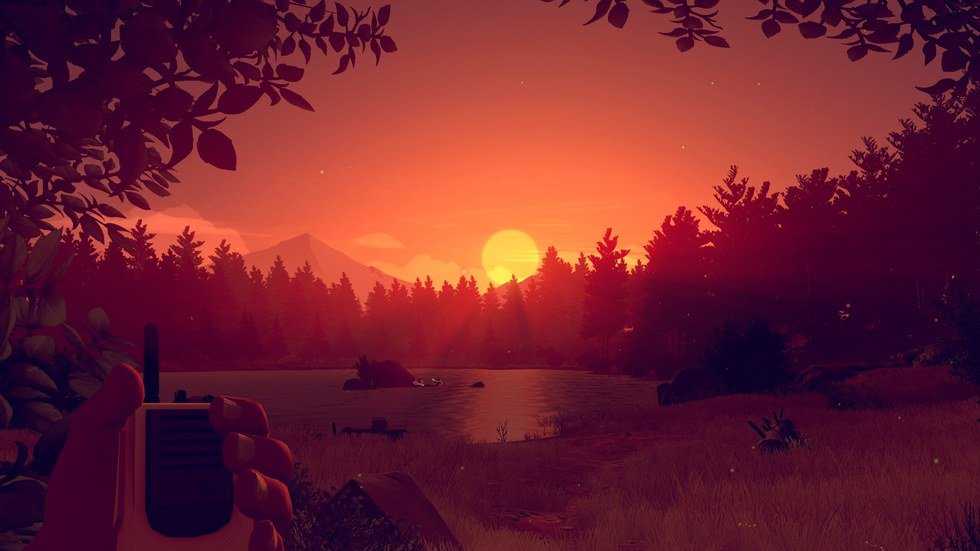
If you’re interested in art games, Firewatch and The Witness are two newer games that are just stellar. The Witness is a non-linear puzzle game based around mazes and Firewatch is a mystery adventure game with a handheld radio. I highly recommend them both, though I’ll warn that The Witness is uncompromisingly difficult.
These art games are pushing the billion dollar industry, and all of us, forward in leaps and bounds. As each new game is released, we are privileged to witness the experience they bring to us. Without them, the video game industry would be hollow. Without them, we all could be too.